Living Like a Local: The Rise of Homestay Travel in Modern Tourism

For decades, the standard holiday recipe was predictable. Travellers booked uniform hotel rooms, ate at standardized international buffets, and moved through city sightlines on crowded tour buses. While these commercial trips offered comfort, they often isolated visitors from the true spirit of the places they visited. Today, a major transformation is reshaping the global tourism landscape. A growing number of holidaymakers are stepping away from sterile resort corridors and choosing to stay directly inside local residences. Examining the rise of homestay travel reveals why modern tourists want to experience local life, build authentic human connections, and enjoy more meaningful journeys.
Seeking authentic cultural exchange over artificial tourist bubbles
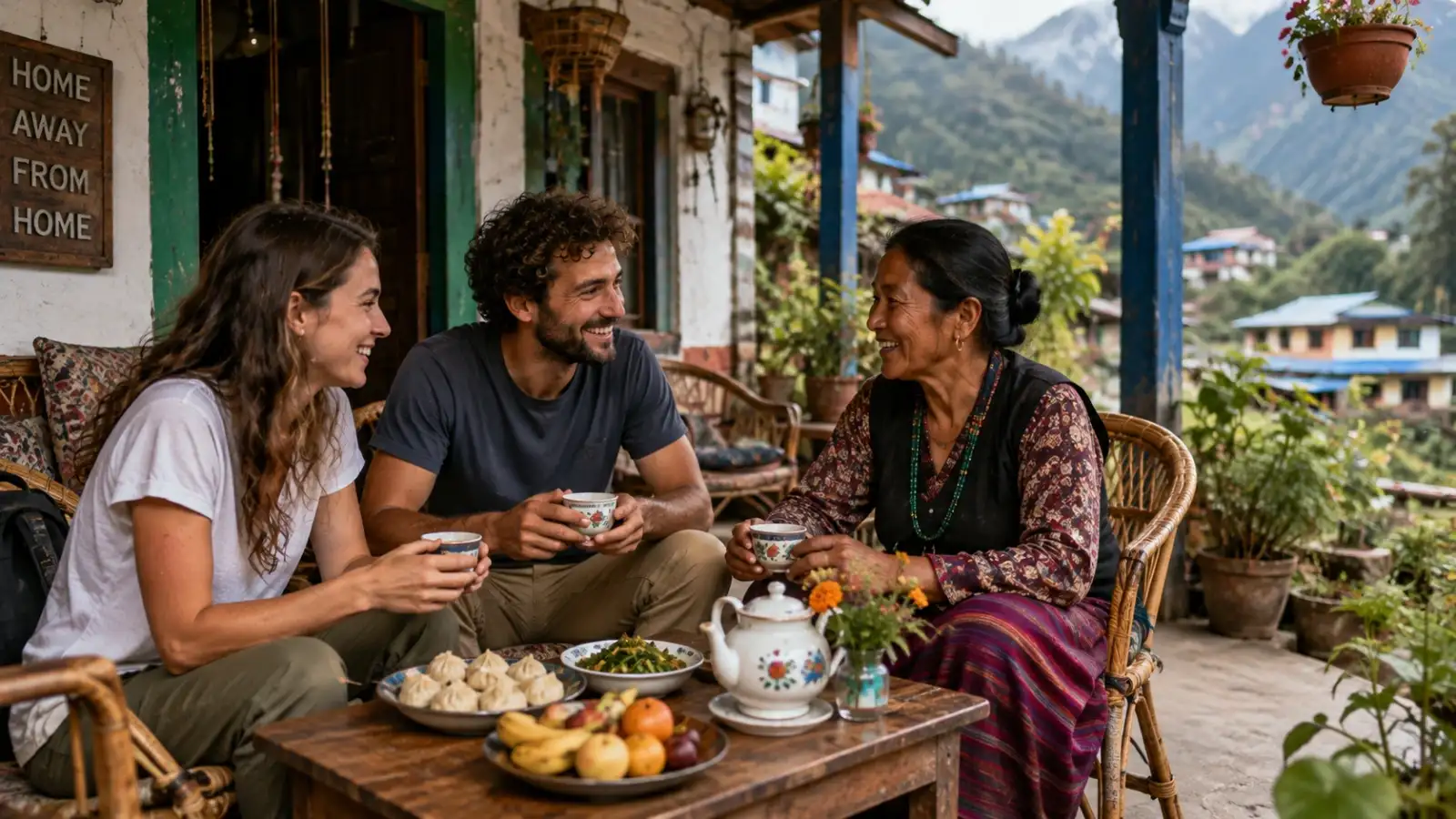
One of the primary drivers behind the popularity of homestays is a deep desire for genuine cultural connection. Commercial hotel chains tend to look and feel almost identical, whether you are staying in London, Tokyo, or Mumbai. In contrast, staying with a local family opens an immediate doorway into authentic regional traditions, everyday household habits, and local customs. Guests get to observe how local households operate, share morning conversations over traditional teacups, and learn firsthand about local history. This intimate environment turns passive sightseeing into active cultural participation, allowing travellers to feel like welcomed guests rather than temporary consumers.Discovering hidden culinary secrets and regional recipes
Food plays a massive role in how people experience new destinations, and homestays provide an unparalleled culinary adventure. While hotel restaurants often adapt their menus to suit mild international tastes, homestay hosts serve authentic, home-cooked regional dishes prepared with fresh ingredients from local markets. Travellers get to sample age-old family recipes that rarely make it onto formal city restaurant menus. In many instances, hosts actively invite guests into the kitchen to learn traditional cooking techniques, turning dinner into a memorable interactive workshop that adds rich flavour to the holiday.Unlocking insider knowledge and offbeat travel recommendations
Navigating a brand new city using generic internet searches often leads tourists straight into overcrowded, overpriced traps. Homestay hosts act as passionate living guidebooks for their home towns. They generously share insider tips about quiet neighbourhood parks, affordable local transportation, hidden viewpoints, and authentic handicraft markets far away from crowded tourist hotspots. Having a knowledgeable local guide living under the same roof helps holidaymakers navigate unfamiliar languages and cultural etiquettes with absolute confidence, ensuring a far smoother and safer travel experience.Supporting local family economies and sustainable travel practices
Modern holidaymakers are increasingly conscious of where their travel money actually goes. When booking giant corporate hotels, a significant portion of the revenue leaves the destination and flows back to multinational parent companies. Choosing homestay accommodation ensures that financial benefits go directly into the hands of local host families and nearby small businesses. Guests buy fresh produce from neighborhood vendors, hire local drivers, and purchase handmade crafts from regional artisans. Furthermore, using existing residential homes rather than building massive hotel complexes minimizes environmental damage, making homestays a wonderfully sustainable choice for the planet.Creating lifelong friendships across geographic borders
Ultimately, understanding the rise of homestay travel comes down to human connection. The most cherished memories from a trip are rarely about fancy lobbies or lavish amenities; they are about the warmth, laughter, and stories shared with people along the way. Homestay stays bridge cultural divides, foster mutual understanding, and frequently spark lifelong global friendships. By choosing to live like a local, modern holidaymakers prove that real travel is about building human bonds that last long after the holiday ends.Next Story