Eating Alone Is the New Dining Trend Among Young People

For decades, asking a restaurant host for a table for one was often met with hesitant glances, awkward sympathy, or placement at a hidden corner table near the kitchen doors. Walking into a busy dining establishment without company was widely seen as an uncomfortable social ordeal. However, a major cultural shift is transforming modern hospitality culture. Across busy urban centers, young adults are stepping into bustling eateries alone, taking a seat at prime tables, and enjoying multi-course meals with complete confidence. The rise of solo dining among young people represents a celebrated shift toward self-care, culinary mindfulness, and personal independence that rejects outdated social stigmas.
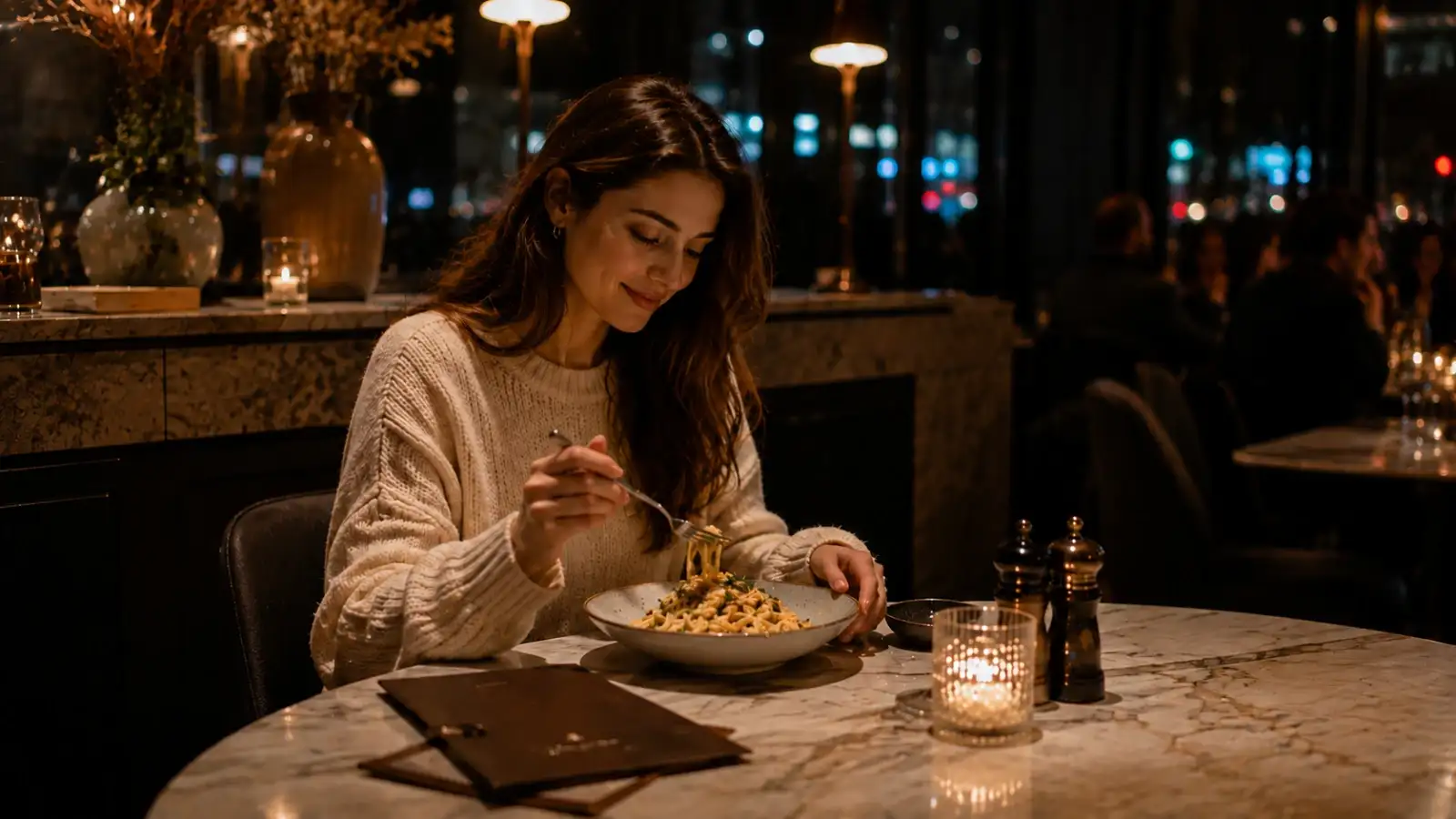
Leaving behind social judgment and the spotlight effect
In the past, people avoided eating out alone because of an internal fear known as the spotlight effect, in which individuals overestimate how much strangers pay attention to them. Young diners are actively dismantling this social anxiety. Millennials and Gen Z are treating solo restaurant visits as a normal, healthy part of their weekly routines rather than a last resort. Entering a crowded dining space without waiting for group consensus brings an immediate sense of liberation. Younger generations recognize that customers and restaurant staff are far too focused on their own meals to judge solo diners. Overcoming this self-consciousness transforms eating out into an empowering, stress-free activity.Treating restaurant visits as an intentional act of self-care
Modern life subjects young professionals to constant digital messages, workplace demands, and social obligations. Choosing to eat alone in a pleasant venue offers a rare opportunity to disconnect from external pressures and enjoy some peace and quiet. Without the need to maintain a conversation, manage group dynamics, or compromise on food choices, a solo diner can fully immerse themselves in the dining experience. Ordering your favorite appetizer, trying a new dessert, or reading a chapter of a book while enjoying fine food turns an everyday meal into a restorative personal ritual.Focused gastronomy and exploring complex flavors
Eating alone fundamentally changes how a person interacts with their plate. When dining with a large group, conversation can often distract from the visual presentation, subtle aromas, and complex flavor profiles of a dish. Solo dining allows food lovers to practice mindful eating, savoring every bite without feeling rushed. This heightened sensory appreciation appeals strongly to young culinary enthusiasts who view gastronomy as an art form. Sitting at a kitchen counter or at a bar gives diners a front-row view of chefs plating dishes, making the meal an engaging performance.How the hospitality industry is adapting to single guests
Recognizing the financial potential and loyalty of single guests, modern restaurants are actively adjusting their layouts and service styles. Hospitality teams are removing awkward phrases like "just one person?" and replacing them with warm greetings. Venue designers are building comfortable bar counters, rows of window seating, and cozy single-guest booths equipped with convenient charging ports. Furthermore, chefs are introducing single-portion tasting menus, wine pairings for one, and small-plate concepts that allow solo diners to explore diverse menu items without ordering excessive portions.Embracing independence as a permanent lifestyle choice
Ultimately, the rise of solo dining among young people reflects a broader societal movement toward personal autonomy and mindful living. It reminds us that our ability to enjoy memorable experiences should never depend on someone else's schedule. Choosing to take yourself out for a wonderful dinner proves that your own company is entirely sufficient. As more individuals embrace this confident habit, dining alone will continue to be celebrated as a refined form of self-love and authentic lifestyle freedom.Next Story