The Silent Dangers Of Osteoporosis: How To Safeguard Your Bone Health

Osteoporosis is a silent condition that weakens bones, often without obvious symptoms until a fracture occurs. Commonly associated with ageing, it can significantly impact an individual's quality of life if left unchecked. Despite being widespread, especially among older adults, many people are unaware of its potential risks. The good news is that there are proactive steps you can take to protect your bone health and reduce the risk of osteoporosis.
What is Osteoporosis?
Osteoporosis, which means porous bones, is a condition where the density and quality of bone are reduced, making bones fragile and more prone to fractures. This condition affects millions worldwide, particularly postmenopausal women, but can also impact men and younger individuals in some cases.
Over time, the loss of bone density can lead to fractures from even minor falls or, in severe cases, from routine activities like bending or lifting. The most common fractures related to osteoporosis occur in the hips, spine, and wrists.
Who is at Risk?
Age: Osteoporosis is often associated with ageing, and the risk increases as people grow older. Bone mass peaks in your late 20s and naturally starts to decline afterward, making older adults particularly vulnerable.
Gender: Women are more prone to osteoporosis, especially post-menopause, due to the sharp drop in oestrogen, which plays a key role in maintaining bone density. Men can develop osteoporosis too, but typically at a later age than women.
Family History: Genetics can play a role in your susceptibility to osteoporosis. If your parents or grandparents experienced bone fractures or were diagnosed with osteoporosis, your risk might be higher.
Lifestyle Factors: Sedentary lifestyles, smoking, excessive alcohol consumption, and poor nutrition can all contribute to the weakening of bones. Additionally, certain medical conditions and medications can interfere with the body’s ability to maintain strong bones.
The Hidden Dangers of Osteoporosis
One of the most concerning aspects of osteoporosis is its silent progression. People often don't realise they have the condition until they experience a fracture. The lack of symptoms means that bone loss can occur for years without being detected. When fractures do occur, they can result in significant pain, disability, and a reduced ability to live independently.
For older adults, particularly those who suffer hip fractures, recovery can be slow and challenging. Many people may never regain full mobility, which can lead to a decline in overall health and quality of life. Vertebral fractures, another common result of osteoporosis, can lead to chronic back pain and even height loss due to the collapse of vertebrae.
How to Protect Your Bone Health
1. Prioritise Calcium and Vitamin D
Calcium is essential for bone health, and getting enough is crucial in both preventing and managing osteoporosis. Vitamin D is equally important, as it helps the body absorb calcium. Foods like dairy products, leafy greens, and fortified cereals can provide these essential nutrients. In addition, spending time in the sunlight helps your body produce vitamin D naturally.
2. Exercise Regularly
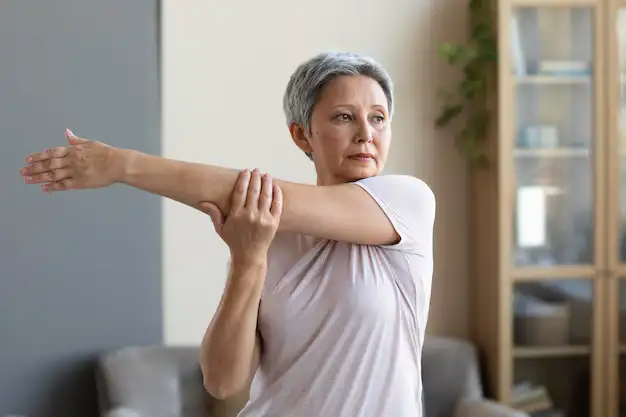
Weight-bearing exercises, such as walking, jogging, and weightlifting, help build and maintain bone density. Resistance exercises can also improve muscle strength, reducing the risk of falls and fractures. It's important to include both cardiovascular and strength-training exercises in your routine to promote overall bone health.
3. Limit Alcohol and Quit Smoking
Excessive alcohol consumption and smoking can weaken bones. Smoking decreases blood flow to the bones, reduces the absorption of calcium, and hinders bone formation. Limiting alcohol and quitting smoking are essential steps in preventing osteoporosis.
4. Regular Bone Density Tests
If you're over 50 or have other risk factors, it's a good idea to undergo a bone density test. This test measures the strength of your bones and can detect osteoporosis before fractures occur. Early detection allows for better management of the condition, including lifestyle changes and medication if necessary.
5. Consider Medications if Necessary
For those at high risk of fractures, medications can help to slow bone loss and increase bone strength. These treatments, which include bisphosphonates, hormone-related therapy, and newer medications that stimulate bone formation, can be highly effective when combined with lifestyle changes.
Osteoporosis may be a silent disease, but it doesn't have to be inevitable. By being proactive about your bone health—through proper nutrition, exercise, and medical care—you can reduce your risk of fractures and maintain a strong, healthy skeletal system well into your later years. Stay informed, take preventive measures, and prioritise your bone health to protect yourself from the hidden dangers of osteoporosis.
What is Osteoporosis?
Osteoporosis, which means porous bones, is a condition where the density and quality of bone are reduced, making bones fragile and more prone to fractures. This condition affects millions worldwide, particularly postmenopausal women, but can also impact men and younger individuals in some cases.
Over time, the loss of bone density can lead to fractures from even minor falls or, in severe cases, from routine activities like bending or lifting. The most common fractures related to osteoporosis occur in the hips, spine, and wrists.
Who is at Risk?
Age: Osteoporosis is often associated with ageing, and the risk increases as people grow older. Bone mass peaks in your late 20s and naturally starts to decline afterward, making older adults particularly vulnerable.
Gender: Women are more prone to osteoporosis, especially post-menopause, due to the sharp drop in oestrogen, which plays a key role in maintaining bone density. Men can develop osteoporosis too, but typically at a later age than women.
Family History: Genetics can play a role in your susceptibility to osteoporosis. If your parents or grandparents experienced bone fractures or were diagnosed with osteoporosis, your risk might be higher.
Lifestyle Factors: Sedentary lifestyles, smoking, excessive alcohol consumption, and poor nutrition can all contribute to the weakening of bones. Additionally, certain medical conditions and medications can interfere with the body’s ability to maintain strong bones.
The Hidden Dangers of Osteoporosis
One of the most concerning aspects of osteoporosis is its silent progression. People often don't realise they have the condition until they experience a fracture. The lack of symptoms means that bone loss can occur for years without being detected. When fractures do occur, they can result in significant pain, disability, and a reduced ability to live independently.
For older adults, particularly those who suffer hip fractures, recovery can be slow and challenging. Many people may never regain full mobility, which can lead to a decline in overall health and quality of life. Vertebral fractures, another common result of osteoporosis, can lead to chronic back pain and even height loss due to the collapse of vertebrae.
How to Protect Your Bone Health
1. Prioritise Calcium and Vitamin D
Calcium is essential for bone health, and getting enough is crucial in both preventing and managing osteoporosis. Vitamin D is equally important, as it helps the body absorb calcium. Foods like dairy products, leafy greens, and fortified cereals can provide these essential nutrients. In addition, spending time in the sunlight helps your body produce vitamin D naturally.
2. Exercise Regularly
Weight-bearing exercises, such as walking, jogging, and weightlifting, help build and maintain bone density. Resistance exercises can also improve muscle strength, reducing the risk of falls and fractures. It's important to include both cardiovascular and strength-training exercises in your routine to promote overall bone health.
3. Limit Alcohol and Quit Smoking
Excessive alcohol consumption and smoking can weaken bones. Smoking decreases blood flow to the bones, reduces the absorption of calcium, and hinders bone formation. Limiting alcohol and quitting smoking are essential steps in preventing osteoporosis.
4. Regular Bone Density Tests
If you're over 50 or have other risk factors, it's a good idea to undergo a bone density test. This test measures the strength of your bones and can detect osteoporosis before fractures occur. Early detection allows for better management of the condition, including lifestyle changes and medication if necessary.
5. Consider Medications if Necessary
For those at high risk of fractures, medications can help to slow bone loss and increase bone strength. These treatments, which include bisphosphonates, hormone-related therapy, and newer medications that stimulate bone formation, can be highly effective when combined with lifestyle changes.
Osteoporosis may be a silent disease, but it doesn't have to be inevitable. By being proactive about your bone health—through proper nutrition, exercise, and medical care—you can reduce your risk of fractures and maintain a strong, healthy skeletal system well into your later years. Stay informed, take preventive measures, and prioritise your bone health to protect yourself from the hidden dangers of osteoporosis.
Next Story