
The Skin Barrier Trend Explained: What It Actually Does and Why It Gets Damaged

For years, the mainstream beauty world promoted harsh skincare practices. People spent decades scrubbing their faces with abrasive physical exfoliants, layering potent chemical acids every single night, and chasing a squeaky-clean feeling that left faces feeling tight and raw. The general assumption was that strong tingling sensations meant a product was working. Today, that aggressive approach to facial care is rapidly falling out of favour. A major shift toward gentle, restorative beauty has put a single botanical concept at the center of modern conversations. Examining the skin barrier trend explained reveals what this invisible shield actually does, why everyday habits cause severe damage, and how restoring natural balance creates healthy, resilient skin.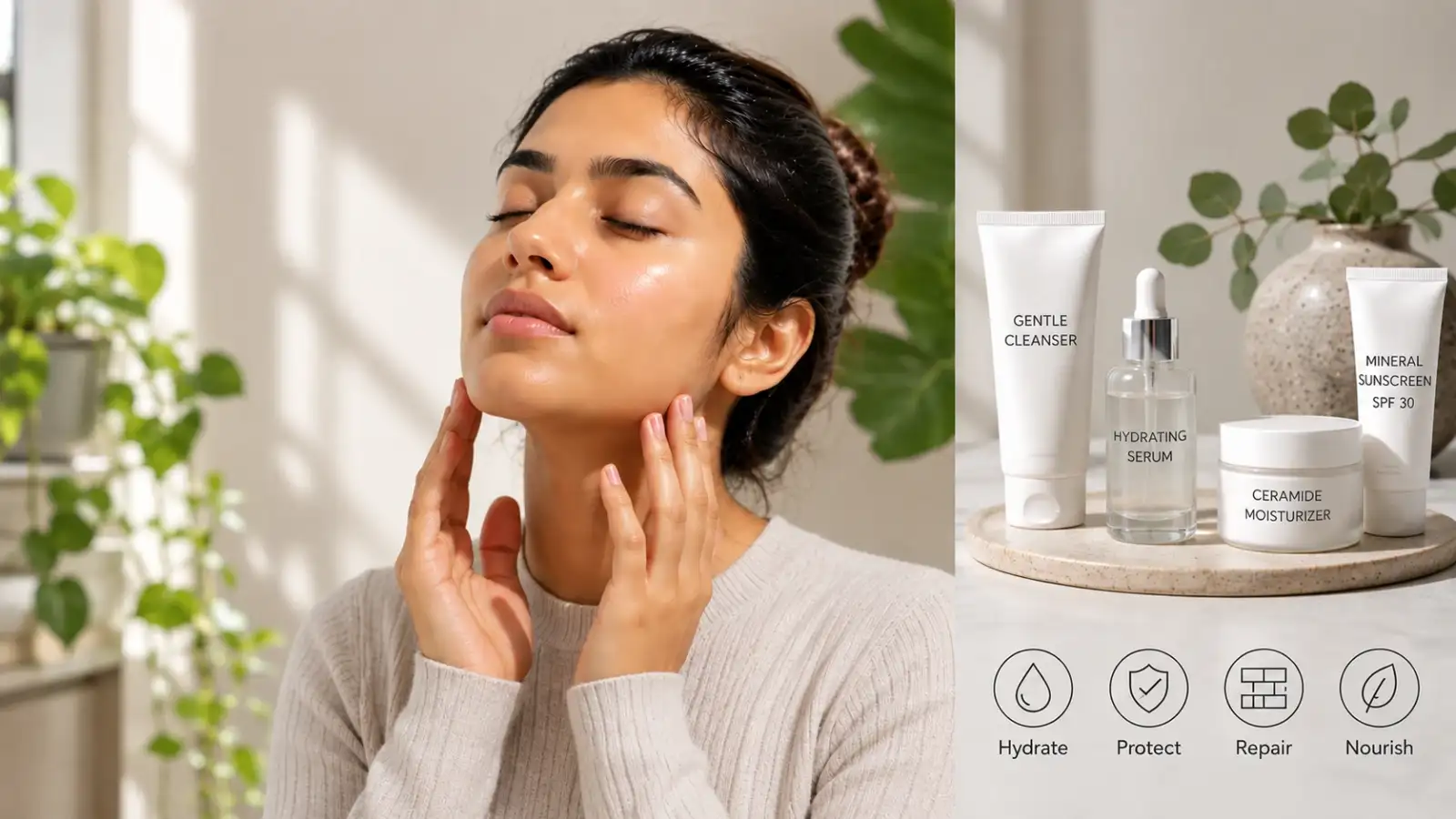
Additionally, a thin acidic film known as the acid mantle sits right on the surface, keeping your skin pH slightly acidic. This delicate biological ecosystem performs two critical jobs simultaneously. First, it locks vital hydration inside your body to prevent transepidermal water loss. Second, it acts as a security guard, blocking environmental pollutants, airborne irritants, and harmful bacteria from penetrating into deeper, living skin layers.
The brick and mortar structure of your outermost layer
To understand the skin barrier trend explained, you must look at the microscopic structure of your epidermis. Scientifically known as the stratum corneum, this outermost layer of your skin operates remarkably like a sturdy brick wall. Your dead skin cells, called corneocytes, act as the solid bricks, providing physical structure and protection. Surrounding these cells is a rich, oily matrix composed of natural lipids, including ceramides, cholesterol, and free fatty acids, which function as the mortar holding the bricks together.Additionally, a thin acidic film known as the acid mantle sits right on the surface, keeping your skin pH slightly acidic. This delicate biological ecosystem performs two critical jobs simultaneously. First, it locks vital hydration inside your body to prevent transepidermal water loss. Second, it acts as a security guard, blocking environmental pollutants, airborne irritants, and harmful bacteria from penetrating into deeper, living skin layers.
You may also like
- Hip-hop artiste Addy TPC on Blitz 26: Consistency has become my biggest creative statement
- A Wallet for Daughters: Invest just ₹250 and get ₹40 lakh through a government scheme..
- Who Can and Cannot Donate Blood? Essential Health Rules and Criteria Explained
- Turmeric for Wounds: Is Applying Haldi Safe for Every Cut, Here Is What Experts Say
- Eyes Keep Watering Again and Again? These Could Be the Reasons—Know When to See a Doctor
The surprising everyday habits that destroy your natural barrier
Despite its crucial protective role, this outer shield is remarkably fragile. The primary culprit behind damaged barriers is the accidental misuse of modern skincare products. Using multiple active ingredients at the same time, such as pairing strong retinoids with daily chemical exfoliating acids, strips away the lipid mortar far faster than your body can produce it. Over-washing your face with harsh foaming cleansers, using boiling hot water, or scrubbing with rough washcloths disrupts the delicate acid mantle. Environmental factors like bitter winter winds, dry indoor heating, low humidity, and intense sun exposure also sap moisture from the surface, leaving your natural defenses cracked, depleted, and vulnerable.Recognizing the signs of a compromised protective shield
When your outer shield suffers damage, your face communicates its distress clearly. Common signs of a impaired barrier include sudden redness, persistent tightness even after applying cream, flaking, raw burning sensations when applying basic products, and unusual rough patches. Because a damaged wall allows moisture to leak out rapidly, your skin becomes chronically dehydrated. Strangely enough, this deep dehydration often causes your sebaceous glands to overproduce natural oil to compensate, leading to a confusing combination of surface shine and dry flakes alongside unexpected breakout clusters.How to repair and strengthen your natural skin defenses
Restoring a broken barrier requires a simple strategy focused on rest, hydration, and lipid replenishment. First, pause all strong active ingredients like exfoliants, vitamin C serums, and retinoids. Switch to a ultra-gentle, non-foaming hydrating cleanser and rinse with lukewarm water. Look for nourishing moisturizers packed with barrier-identifying ingredients like ceramides, fatty acids, cholesterol, hyaluronic acid, and soothing niacinamide. These ingredients act like liquid mortar, filling in microscopic cracks and helping your skin seal in moisture.Reclaiming healthy skin through minimalist care
Ultimately, understanding the skin barrier trend explained reminds us that healthy skin is not about stripping away natural oils with dozens of intense products. Real radiant skin comes from respecting your body's natural biology, protecting your outer shield, and giving your face the gentle nourishing support it needs to heal itself naturally.





Loving Newspoint? Download the app now
