
The Terrifying Future Vishnu Predicted for Kali Yuga's End


In Hindu cosmology, Kali Yuga is described as the final age in a repeating cycle of four yugas, an era marked by moral decline, spiritual confusion, greed, violence, and weakening human values. Ancient Hindu texts such as the Bhagavata Purana, Vishnu Purana, and Mahabharata contain detailed descriptions of how this age unfolds and how it eventually ends. According to these traditions, Lord Vishnu will ultimately appear as Kalki, the final avatar, to restore dharma after the complete collapse of righteousness. What makes these prophecies especially fascinating is how many descriptions of Kali Yuga feel psychologically relevant even today. The texts speak not only of physical destruction, but of emotional, social, and spiritual breakdown. The “terrifying future” predicted in these scriptures is not simply about apocalypse. It is about humanity slowly losing its connection to truth, compassion, restraint, and inner balance.
The Ancient Prediction of Moral Collapse
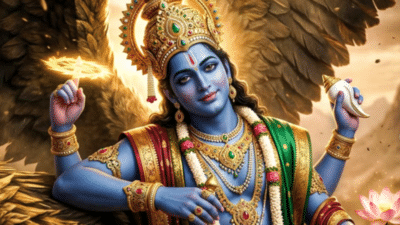
The Bhagavata Purana describes Kali Yuga as an age where wealth becomes the main measure of status and power replaces morality. It states that truthfulness, purity, patience, mercy, and memory decline gradually as the age progresses. One famous passage from the Bhagavata Purana suggests that people will increasingly value external appearance over character and material success over wisdom. These descriptions have often been interpreted symbolically by spiritual scholars rather than as literal predictions alone. In many traditional commentaries, Kali Yuga is seen as an age where confusion becomes normalized. The terrifying aspect is not immediate destruction, but gradual erosion of ethical consciousness.
Why Vishnu’s Prophecy Feels Disturbingly Relevant Today
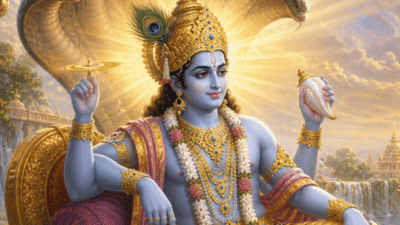
One reason Kali Yuga prophecies continue to attract attention is because many themes described in ancient texts mirror modern anxieties. The Vishnu Purana states that rulers may become exploitative, relationships may weaken, and human beings may become increasingly driven by greed and anger. From a psychological perspective, these prophecies resonate because they reflect timeless fears about societal collapse. Modern studies in behavioral science often discuss rising stress, social isolation, distrust, and emotional burnout in rapidly changing societies. This overlap between ancient prophecy and modern human concerns is one reason Kali Yuga narratives remain emotionally powerful even today.
The Kalki Avatar and the End of the Age
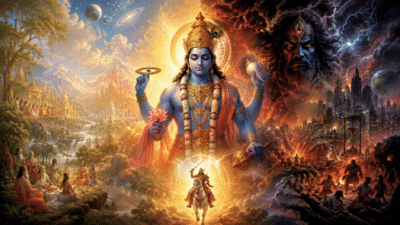
According to Hindu belief, the final phase of Kali Yuga culminates in the appearance of Kalki, the last avatar of Vishnu. Traditional texts describe Kalki as a warrior figure riding a white horse and carrying a blazing sword, symbolizing the destruction of adharma and restoration of cosmic balance. The imagery is dramatic and deeply symbolic. Many scholars interpret the sword not merely as a physical weapon, but as representation of truth cutting through ignorance and corruption. In spiritual interpretation, Kalki’s arrival marks not just destruction, but renewal. Hindu cosmology sees time as cyclical rather than linear. Therefore, the terrifying end is simultaneously the beginning of a new Satya Yuga, an age of truth and harmony.
The Deeper Meaning Behind the Fear of Kali Yuga
Although Kali Yuga prophecies are often discussed in apocalyptic terms, many Hindu philosophers interpret them as reflections of inner human states. The “darkness” of Kali Yuga is frequently understood as spiritual ignorance, emotional imbalance, and disconnection from dharma. In this reading, the end of Kali Yuga is not only a future cosmic event, but also an individual spiritual transformation. This interpretation changes the emotional meaning of the prophecy. Instead of simply fearing destruction, devotees are encouraged to focus on self-awareness, devotion, and ethical living during difficult times.
Why Devotion Is Considered Most Powerful in Kali Yuga
One of the most repeated teachings in Hindu tradition is that spiritual practices become simpler during Kali Yuga. The Bhagavata Purana emphasizes chanting the divine name as one of the most effective ways to maintain spiritual balance during this age. This creates an important contrast within the prophecy itself. While Kali Yuga is described as morally dangerous, it is also portrayed as spiritually accessible. The same age that intensifies confusion also increases the value of devotion and sincerity. Many saints and devotional traditions throughout Indian history have repeated this idea, suggesting that inner transformation becomes even more meaningful during periods of collective darkness.
The Psychological Power of End-Time Narratives
Throughout human history, civilizations have created end-time narratives to express fears about moral decline, uncertainty, and social instability. Kali Yuga prophecies function similarly, but with a uniquely cyclical perspective. Unlike purely catastrophic endings, Hindu cosmology frames destruction as part of renewal. The terrifying future predicted for the end of Kali Yuga therefore serves two purposes simultaneously: it warns humanity about moral decline while also offering hope for restoration. This duality explains why these stories continue to resonate emotionally across generations.
Conclusion: Fear, Renewal, and the Return of Dharma
The terrifying future associated with the end of Kali Yuga is not merely about chaos or destruction. According to Hindu tradition, it is ultimately about imbalance reaching its limit before cosmic order is restored. The prophecies connected to Vishnu and Kalki reflect deep concerns about greed, dishonesty, violence, and spiritual emptiness, themes that remain psychologically relevant even today. Yet these same traditions also emphasize hope. The darkness of Kali Yuga is temporary within the larger cycle of time. In the end, the prediction is not only a warning about humanity’s future. It is also a reminder that dharma, according to Hindu belief, can disappear temporarily but can never vanish forever.
Explore the latest trends and tips in Health & Fitness, Spiritual, Travel, Life Hacks, Trending, Fashion & Beauty, and Relationships at Times Life!
The Ancient Prediction of Moral Collapse
The Bhagavata Purana describes Kali Yuga as an age where wealth becomes the main measure of status and power replaces morality. It states that truthfulness, purity, patience, mercy, and memory decline gradually as the age progresses. One famous passage from the Bhagavata Purana suggests that people will increasingly value external appearance over character and material success over wisdom. These descriptions have often been interpreted symbolically by spiritual scholars rather than as literal predictions alone. In many traditional commentaries, Kali Yuga is seen as an age where confusion becomes normalized. The terrifying aspect is not immediate destruction, but gradual erosion of ethical consciousness.
Why Vishnu’s Prophecy Feels Disturbingly Relevant Today
One reason Kali Yuga prophecies continue to attract attention is because many themes described in ancient texts mirror modern anxieties. The Vishnu Purana states that rulers may become exploitative, relationships may weaken, and human beings may become increasingly driven by greed and anger. From a psychological perspective, these prophecies resonate because they reflect timeless fears about societal collapse. Modern studies in behavioral science often discuss rising stress, social isolation, distrust, and emotional burnout in rapidly changing societies. This overlap between ancient prophecy and modern human concerns is one reason Kali Yuga narratives remain emotionally powerful even today.
The Kalki Avatar and the End of the Age
According to Hindu belief, the final phase of Kali Yuga culminates in the appearance of Kalki, the last avatar of Vishnu. Traditional texts describe Kalki as a warrior figure riding a white horse and carrying a blazing sword, symbolizing the destruction of adharma and restoration of cosmic balance. The imagery is dramatic and deeply symbolic. Many scholars interpret the sword not merely as a physical weapon, but as representation of truth cutting through ignorance and corruption. In spiritual interpretation, Kalki’s arrival marks not just destruction, but renewal. Hindu cosmology sees time as cyclical rather than linear. Therefore, the terrifying end is simultaneously the beginning of a new Satya Yuga, an age of truth and harmony.
The Deeper Meaning Behind the Fear of Kali Yuga
Although Kali Yuga prophecies are often discussed in apocalyptic terms, many Hindu philosophers interpret them as reflections of inner human states. The “darkness” of Kali Yuga is frequently understood as spiritual ignorance, emotional imbalance, and disconnection from dharma. In this reading, the end of Kali Yuga is not only a future cosmic event, but also an individual spiritual transformation. This interpretation changes the emotional meaning of the prophecy. Instead of simply fearing destruction, devotees are encouraged to focus on self-awareness, devotion, and ethical living during difficult times.
Why Devotion Is Considered Most Powerful in Kali Yuga
One of the most repeated teachings in Hindu tradition is that spiritual practices become simpler during Kali Yuga. The Bhagavata Purana emphasizes chanting the divine name as one of the most effective ways to maintain spiritual balance during this age. This creates an important contrast within the prophecy itself. While Kali Yuga is described as morally dangerous, it is also portrayed as spiritually accessible. The same age that intensifies confusion also increases the value of devotion and sincerity. Many saints and devotional traditions throughout Indian history have repeated this idea, suggesting that inner transformation becomes even more meaningful during periods of collective darkness.
The Psychological Power of End-Time Narratives
Throughout human history, civilizations have created end-time narratives to express fears about moral decline, uncertainty, and social instability. Kali Yuga prophecies function similarly, but with a uniquely cyclical perspective. Unlike purely catastrophic endings, Hindu cosmology frames destruction as part of renewal. The terrifying future predicted for the end of Kali Yuga therefore serves two purposes simultaneously: it warns humanity about moral decline while also offering hope for restoration. This duality explains why these stories continue to resonate emotionally across generations.
Conclusion: Fear, Renewal, and the Return of Dharma
The terrifying future associated with the end of Kali Yuga is not merely about chaos or destruction. According to Hindu tradition, it is ultimately about imbalance reaching its limit before cosmic order is restored. The prophecies connected to Vishnu and Kalki reflect deep concerns about greed, dishonesty, violence, and spiritual emptiness, themes that remain psychologically relevant even today. Yet these same traditions also emphasize hope. The darkness of Kali Yuga is temporary within the larger cycle of time. In the end, the prediction is not only a warning about humanity’s future. It is also a reminder that dharma, according to Hindu belief, can disappear temporarily but can never vanish forever.
Explore the latest trends and tips in Health & Fitness, Spiritual, Travel, Life Hacks, Trending, Fashion & Beauty, and Relationships at Times Life!
Next Story