
Why Grandparents and Grandchildren Get Along So Easily

Walk into any home where a grandparent and a small grandchild are together, and the atmosphere is different. The child is not on his best behaviour. The grandparent is not managing a schedule. Something has been set down that parents and children carry between them constantly, and neither of them seems to notice it is gone.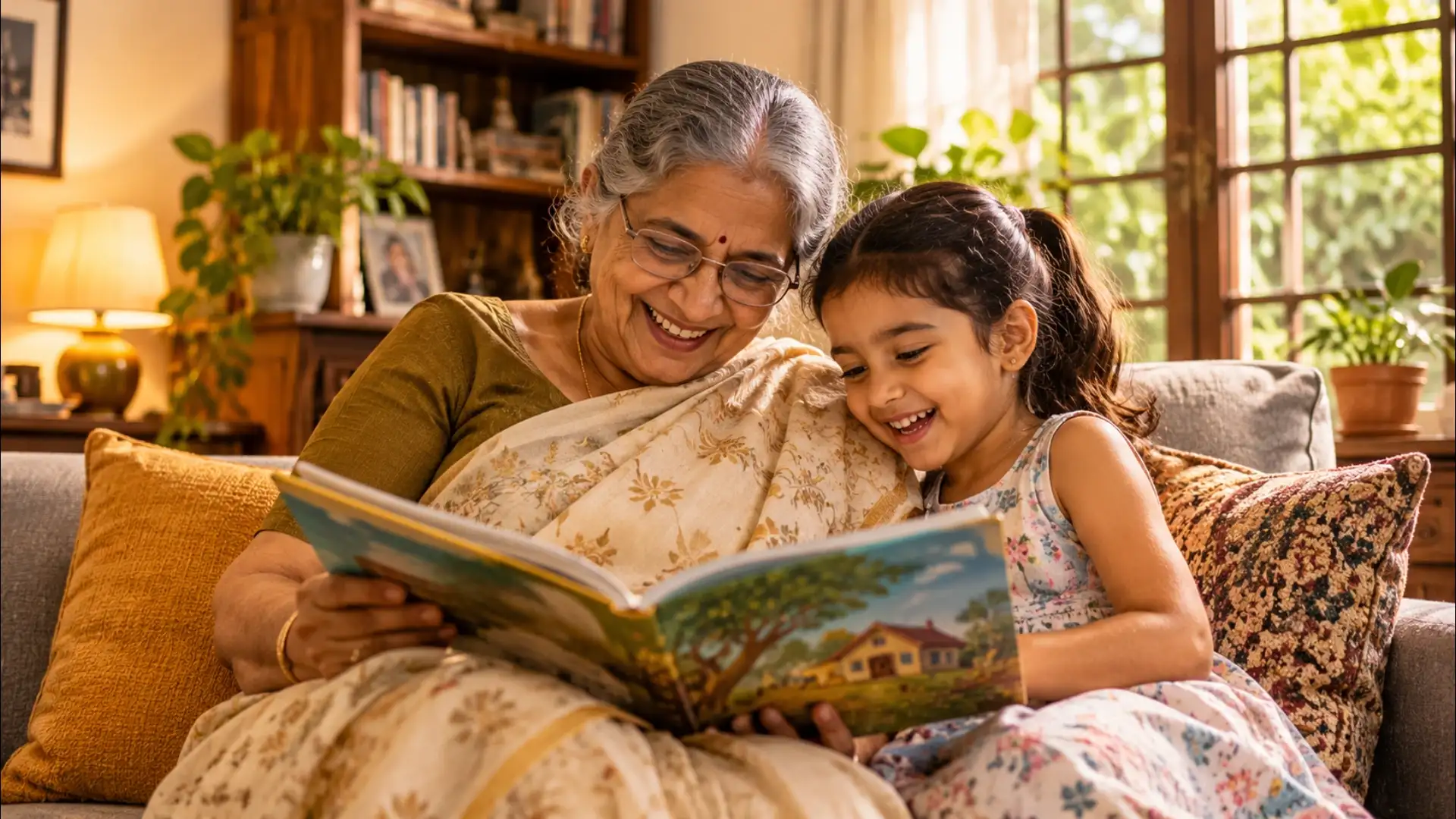
A grandparent has already done that work with someone else. They have raised their own children to adulthood, made their peace with how it went, and arrived at a place where a grandchild's choices carry no weight on their conscience. They can watch a child refuse vegetables, shrug, and offer a biscuit instead. Not because they are irresponsible, but because they genuinely know it does not matter in the way it once felt like it did.
The child feels this immediately. Children are accurate readers of adult anxiety. When that anxiety is absent, they relax in a way they rarely do with parents.
A grandmother sitting on a veranda is not half-thinking about a meeting. A five-year-old showing her a beetle is not multitasking. The conversation they have about that beetle, its legs, where it came from, whether it has a family, is complete in itself. This kind of unhurried attention is rare in a child's day, and children hunger for it.
Grandparents often describe their grandchildren as easy company for the same reason. The child asks questions without agenda. He is not performing competence or managing an impression. He just wants to know things, and the grandparent has decades of things to say.
A grandparent is far enough removed that the friction dissolves. A grandfather who grew up walking five kilometres to school does not feel personally challenged by a grandchild who does everything on a phone. He is curious about it. The distance in time becomes a distance from ego, and that makes him genuinely easier to talk to.
Grandchildren often say they can tell their grandparents things they cannot tell their parents. This is not because grandparents are more permissive. It is because the grandchild knows the conversation will not change anything at home. The grandparent is a safe witness.

In the other direction, a grandchild's world, the games, the friends, the small dramas of school, is genuinely interesting to someone who is no longer inside it. A grandparent has the distance to find it charming rather than stressful. They laugh at things parents cannot afford to laugh at.
This mutual audience quality is rare in families. Most relationships involve at least one person performing for someone who is only half-listening. Between a grandparent and a grandchild, both are actually paying attention.
Children absorb what they are around, and what they are around with grandparents is a version of life that has already been tested. The grandparent is not performing who they are. They arrived at this version of themselves a long time ago. That settledness is its own kind of teaching, and children recognise it even when they cannot name it.
The bond works because it asks nothing of either person except presence. Two people, separated by fifty or sixty years, find that the gap between them is exactly the right size, wide enough to make each other interesting, close enough to make each other feel known.
They Are Not Responsible for Each Other
The parent-child relationship is built on stakes. A parent worries about who the child is becoming. The child senses that worry, even when nothing is said. Every meal, every report card, every tantrum is data in an ongoing assessment that both parties feel but rarely name.A grandparent has already done that work with someone else. They have raised their own children to adulthood, made their peace with how it went, and arrived at a place where a grandchild's choices carry no weight on their conscience. They can watch a child refuse vegetables, shrug, and offer a biscuit instead. Not because they are irresponsible, but because they genuinely know it does not matter in the way it once felt like it did.
The child feels this immediately. Children are accurate readers of adult anxiety. When that anxiety is absent, they relax in a way they rarely do with parents.
Time Moves Differently for Both of Them
Young children and old people share an unusual relationship with time. A child has not yet learned to fill every moment with productivity. An older person has largely stopped trying to. They are, for different reasons, both available in the present tense.A grandmother sitting on a veranda is not half-thinking about a meeting. A five-year-old showing her a beetle is not multitasking. The conversation they have about that beetle, its legs, where it came from, whether it has a family, is complete in itself. This kind of unhurried attention is rare in a child's day, and children hunger for it.
Grandparents often describe their grandchildren as easy company for the same reason. The child asks questions without agenda. He is not performing competence or managing an impression. He just wants to know things, and the grandparent has decades of things to say.
The Generational Gap Becomes an Advantage
Parents and children are close enough in time that the friction between them is often about the same territory. A parent who grew up with certain expectations finds it hard not to hold them. A teenager who is pushing against those expectations is pushing against a person who remembers being in exactly that position.A grandparent is far enough removed that the friction dissolves. A grandfather who grew up walking five kilometres to school does not feel personally challenged by a grandchild who does everything on a phone. He is curious about it. The distance in time becomes a distance from ego, and that makes him genuinely easier to talk to.
You may also like
- Should You Quit Non-Veg After 40, Nutritionists Settle the Aging and Meat Debate
- Change Your Pillow, Not Your Doctor: Here Is What Ruining Your Sleep
- Pelvic Vein Problems: Can They Cause Pelvic Pain That Looks Like Endometriosis?
- 3 Natural Kitchen Remedies to Soothe Sore Throat and Clear Congestion
- Geyser or Immersion Rod: Which Is Better for Hot Water in Winter? Compare Cost, Safety and Electricity Use
Grandchildren often say they can tell their grandparents things they cannot tell their parents. This is not because grandparents are more permissive. It is because the grandchild knows the conversation will not change anything at home. The grandparent is a safe witness.
They Are Each Other's Best Audience
A grandparent carries stories that no one else in the family has time to hear. A grandchild has not yet heard them and has no reason to dismiss them. The grandfather who fought in a flood, who remembers partition, who saw the first television arrive in the neighbourhood, these are not boring old stories to a child. They are adventure.In the other direction, a grandchild's world, the games, the friends, the small dramas of school, is genuinely interesting to someone who is no longer inside it. A grandparent has the distance to find it charming rather than stressful. They laugh at things parents cannot afford to laugh at.
This mutual audience quality is rare in families. Most relationships involve at least one person performing for someone who is only half-listening. Between a grandparent and a grandchild, both are actually paying attention.
What Gets Passed Without Anyone Trying
The things grandparents pass to grandchildren rarely come through instruction. A grandmother who makes chai the same way every morning, who folds a sari a particular way, who hums while she cooks, these become part of a grandchild's interior life without a single lesson being taught.Children absorb what they are around, and what they are around with grandparents is a version of life that has already been tested. The grandparent is not performing who they are. They arrived at this version of themselves a long time ago. That settledness is its own kind of teaching, and children recognise it even when they cannot name it.
The bond works because it asks nothing of either person except presence. Two people, separated by fifty or sixty years, find that the gap between them is exactly the right size, wide enough to make each other interesting, close enough to make each other feel known.






Loving Newspoint? Download the app now
