The World's Most Spectacular Natural Landscapes After Dark

Some landscapes are more impressive after sunset than they are during daylight. Mountains become silhouettes beneath the aurora, deserts turn into star-filled horizons and underground caves can resemble entire galaxies. Night removes familiar visual distractions and reveals a different side of nature. Across the world, travellers can encounter glowing organisms, astronomical displays, moonlit deserts and polar lights. These experiences are reminders that darkness is not an absence of scenery. It is another environment altogether.
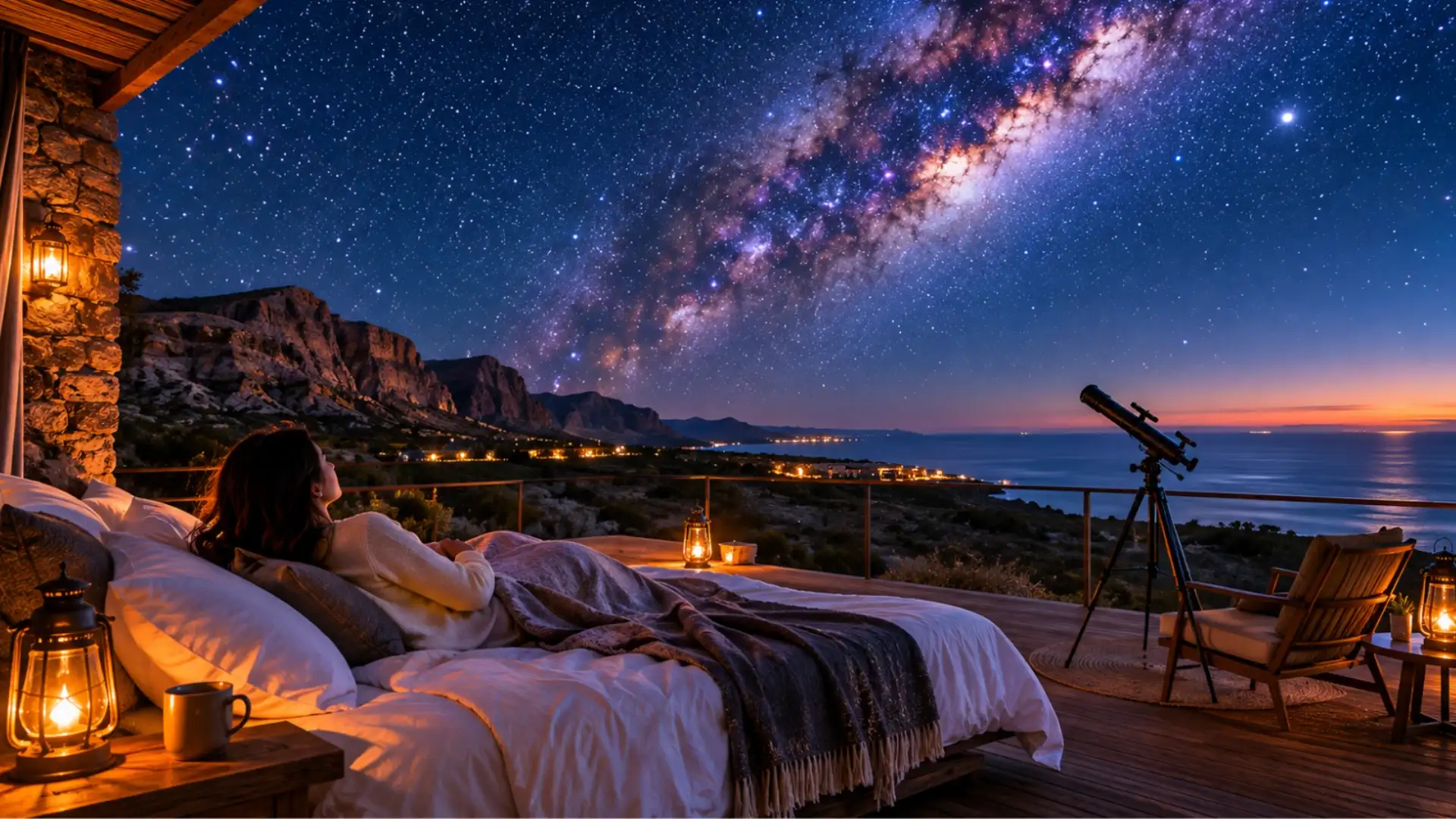
Hero Image


The Aurora Above Tasmania

Tasmania offers one of the Southern Hemisphere's most dramatic nighttime spectacles. The Aurora Australis can sometimes illuminate the sky with shifting colours, particularly during periods of stronger solar activity. Tourism Tasmania highlights locations including Bruny Island, Cockle Creek and the Central Highlands.

Even when the aurora does not appear, the island's low-light environments offer impressive views of the southern sky.


Glowworms Beneath New Zealand

New Zealand's Waitomo caves provide a completely different kind of nighttime landscape. Millions of tiny glowworms illuminate cave ceilings, creating the appearance of a star field underground. The creatures are unique to New Zealand and inhabit the region's limestone cave systems.

It is an extraordinary reminder that nature can create its own light without electricity.


Desert Landscapes Under the Stars

In Namibia, the night transforms the Namib Desert into a huge astronomical theatre. NamibRand's protected darkness allows the Milky Way to dominate the sky, while dunes and mountains form silhouettes beneath it. The reserve's conservation programme treats the night sky as part of the natural environment.

Chile's Atacama Desert offers a similar combination of stark terrain and extraordinary astronomy. The region's clear skies have attracted major scientific observatories, including ESO facilities.

Why Night Changes Our Experience of Nature

Humans tend to associate landscapes with daylight. At night, familiar places become mysterious. Sound travels differently through quiet environments, shadows alter depth and the sky becomes a major part of the scenery.

This matters today because many people rarely experience genuine darkness.


A Landscape We Are Slowly Losing

Natural darkness is itself becoming a conservation issue. Artificial light affects wildlife, ecosystems and the visibility of the stars.

The world's most spectacular nighttime landscapes therefore offer more than beautiful travel memories. They show us what the planet looks like when we allow night to remain night.