
Things to Check Before Every Road Trip for a Safer Journey

A road trip often begins with excitement, music and a carefully planned route. What many travellers forget is that the journey also begins with the condition of the vehicle. A few minutes spent checking the car before leaving can help prevent delays, breakdowns and potentially dangerous situations later. Tyres, engine fluids, lights, brakes and fuel are among the basics worth checking, particularly before a long journey. The checks become even more important when travelling through unfamiliar areas, remote roads or changing weather conditions. A road trip should be remembered for the places you discover, not for an avoidable problem on the roadside.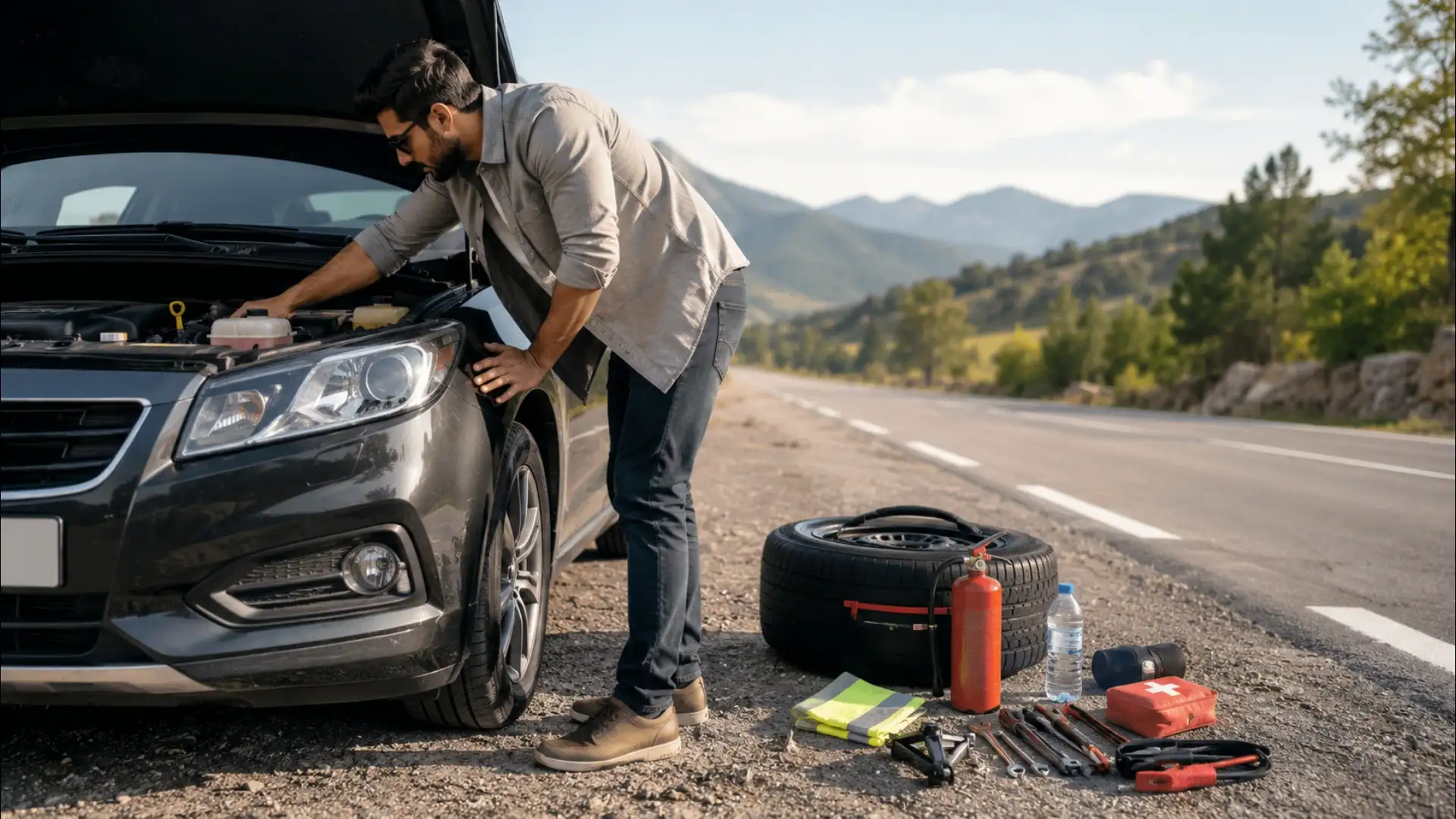
Do not forget the spare tyre. It should also be properly inflated and accessible. If your vehicle uses a puncture repair kit instead, check that the equipment is present and within its usable period.
The lights deserve a quick inspection too. Headlamps, brake lights, indicators and hazard lights are essential for seeing and being seen, particularly at night or in rain and fog.
If you are unsure how to inspect a particular fluid, consult the vehicle handbook rather than guessing. Some modern cars also provide electronic warnings for maintenance-related issues.
Before starting a long road trip, identify fuel stations along the route and avoid relying entirely on the vehicle's remaining range.
If the battery is old or has previously caused trouble, consider having it inspected before travelling long distances.
The aim is not to turn the boot into a workshop. It is simply to have enough equipment to manage a minor problem until help arrives.
It is also sensible to keep digital backups where appropriate.
If the route includes isolated areas, tell someone your broad travel plan and expected arrival time.
A pre-trip inspection is therefore less about expecting something to go wrong and more about removing unnecessary surprises.
The best road trips often begin before the engine starts. They begin with the simple decision to make sure both the vehicle and the people inside it are ready for the road.
Check the Tyres First
Your tyres are the only parts of the car that remain in direct contact with the road, making their condition particularly important. Check that all tyres have suitable air pressure and inspect them for visible cuts, cracks, bulges or uneven wear.Do not forget the spare tyre. It should also be properly inflated and accessible. If your vehicle uses a puncture repair kit instead, check that the equipment is present and within its usable period.
Test the Brakes and Lights
Before leaving, pay attention to how the brakes feel. Unusual noises, vibrations or a soft brake pedal should not be ignored.The lights deserve a quick inspection too. Headlamps, brake lights, indicators and hazard lights are essential for seeing and being seen, particularly at night or in rain and fog.
Check Engine Fluids
Low fluid levels can create problems during a long drive. Check the engine oil and, where applicable, coolant, brake fluid and windscreen washer fluid.If you are unsure how to inspect a particular fluid, consult the vehicle handbook rather than guessing. Some modern cars also provide electronic warnings for maintenance-related issues.
Fill the Fuel Tank
Running low on fuel may not seem serious when driving through a city, where petrol stations are common. It can become a major inconvenience on highways or remote stretches.Before starting a long road trip, identify fuel stations along the route and avoid relying entirely on the vehicle's remaining range.
Check the Battery
A weak battery can leave a perfectly functioning car unable to start. Look for warning signs such as difficulty starting the engine or unusual electrical behaviour.If the battery is old or has previously caused trouble, consider having it inspected before travelling long distances.
Pack Essential Emergency Equipment
A basic emergency kit can be invaluable during unexpected delays. Depending on local requirements and the journey, this may include a first-aid kit, torch, reflective warning equipment, basic tools, water and a phone charger.The aim is not to turn the boot into a workshop. It is simply to have enough equipment to manage a minor problem until help arrives.
Check Your Documents
Keep your driving licence, vehicle documents, insurance details and any required permits readily available. For interstate or international road trips, check whether additional documentation is required.You may also like
- Kalonji Bhindi Masala Recipe: Make This Tangy and Flavourful Okra Dish in Just a Few Minutes
- Chanakya Niti: Never Feel Ashamed of These 3 Things in Life, Says Chanakya
- Do You Really Need to Shower Every Day? Your Skin Type and Lifestyle Matter More Than You Think
- Start Your Day With Protein: 4 Easy Chickpea and Paneer Breakfast Recipes
- Dandruff Disappears After Shampooing but Comes Back Again? Here's Why It Keeps Returning
It is also sensible to keep digital backups where appropriate.
Check the Weather and Route
A clear forecast can change, particularly on mountain roads and during monsoon or winter conditions. Check the weather before leaving and look for road closures, construction or major traffic disruptions.If the route includes isolated areas, tell someone your broad travel plan and expected arrival time.
Do Not Ignore Small Warning Signs
A strange smell, warning light or unfamiliar sound may seem harmless when you are preparing to leave. On a long journey, however, a small mechanical problem can become much more difficult to deal with.A pre-trip inspection is therefore less about expecting something to go wrong and more about removing unnecessary surprises.
Start the Journey With Confidence
A few minutes of preparation can make a considerable difference to a road trip. Checking the car, planning the route and carrying essential equipment allows you to concentrate on the journey itself.The best road trips often begin before the engine starts. They begin with the simple decision to make sure both the vehicle and the people inside it are ready for the road.






Loving Newspoint? Download the app now
