
Planning a Trip to Hampi? Discover Its Remarkable Heritage Sites

Hampi, in Karnataka, is a destination where history and landscape come together in a striking way. Ancient structures stand among enormous boulders, open fields and palm groves, creating a setting unlike that of many other heritage destinations.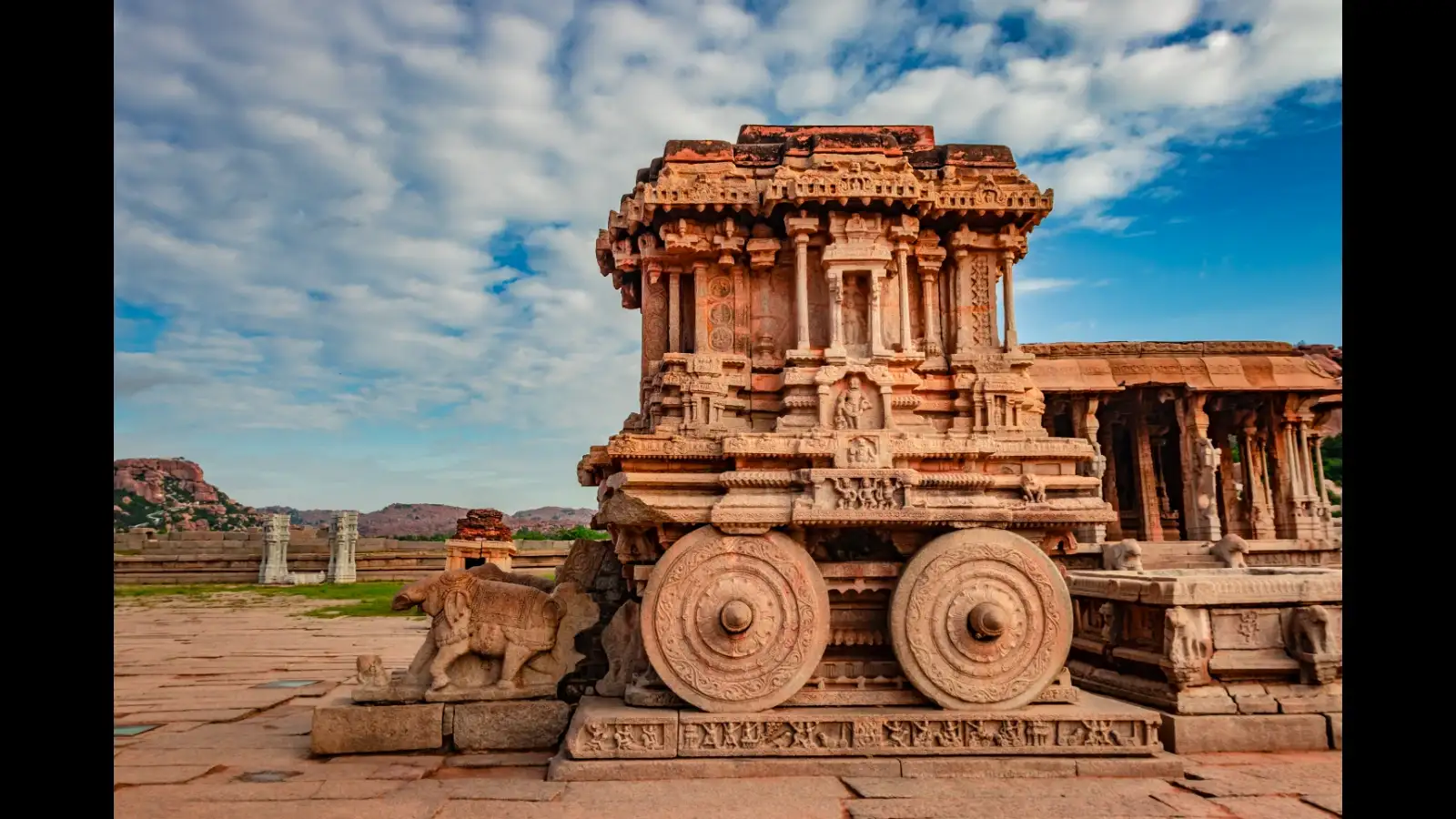
The area preserves an extensive collection of monuments associated with the Vijayanagara Empire . Its ruins include temples, gateways, royal structures and pillared halls, making it particularly appealing to travellers interested in architecture and Indian history.
Visitors can observe the temple's towering entrance structure, carved details and surrounding historic setting. As it is an active religious site, travellers should dress respectfully and follow the instructions displayed at the entrance.
Allow time to explore the surrounding area rather than treating the temple as a quick stop on a long sightseeing list.
The surrounding structures reveal the skill of the artisans who worked on the region's monumental buildings. Travellers interested in architectural details may wish to take their time examining the carvings and layout.
Check current visitor access arrangements before travelling, as entry rules and permitted areas can change.
Rather than imagining the past through individual monuments alone, look at how the structures relate to one another. This broader perspective helps explain why Hampi is valuable as a historic landscape.
Comfortable footwear is useful because exploring the area can involve substantial walking over uneven surfaces.
The elevated setting can be appealing for photography, particularly when the light is softer. However, visitors should be cautious on rocky paths and avoid climbing surfaces that are unstable or restricted.
Check the weather and local access information before planning a longer walk.
Plan a realistic itinerary, carry drinking water and protect yourself from the sun. The landscape offers limited shade in some places, so a hat and comfortable clothing can be useful.
Arrange transport between distant attractions when necessary and confirm local timings before setting out.
Hampi rewards travellers who combine curiosity with patience. By balancing major landmarks with time to observe the surrounding landscape, visitors can gain a richer understanding of Karnataka's cultural heritage.
The area preserves an extensive collection of monuments associated with the Vijayanagara Empire . Its ruins include temples, gateways, royal structures and pillared halls, making it particularly appealing to travellers interested in architecture and Indian history.
1. Begin With the Virupaksha Temple
The Virupaksha Temple is one of Hampi's best-known landmarks. Located near the historic Hampi Bazaar area, it remains an important place of worship as well as a significant architectural attraction.Visitors can observe the temple's towering entrance structure, carved details and surrounding historic setting. As it is an active religious site, travellers should dress respectfully and follow the instructions displayed at the entrance.
Allow time to explore the surrounding area rather than treating the temple as a quick stop on a long sightseeing list.
2. Explore the Vittala Temple Complex
The Vittala Temple complex is known for its elaborate stone architecture and the celebrated stone chariot associated with Hampi.The surrounding structures reveal the skill of the artisans who worked on the region's monumental buildings. Travellers interested in architectural details may wish to take their time examining the carvings and layout.
Check current visitor access arrangements before travelling, as entry rules and permitted areas can change.
3. Walk Around the Royal Enclosure
The Royal Enclosure offers a glimpse into the administrative and ceremonial landscape of the Vijayanagara period. Its remains include platforms, foundations and other structures that suggest the scale of the former capital.Rather than imagining the past through individual monuments alone, look at how the structures relate to one another. This broader perspective helps explain why Hampi is valuable as a historic landscape.
Comfortable footwear is useful because exploring the area can involve substantial walking over uneven surfaces.
4. Visit Hemakuta Hill
Hemakuta Hill offers views across parts of Hampi's rocky terrain and historic structures. It is also associated with a group of temples and religious monuments.The elevated setting can be appealing for photography, particularly when the light is softer. However, visitors should be cautious on rocky paths and avoid climbing surfaces that are unstable or restricted.
Check the weather and local access information before planning a longer walk.
5. Give Yourself Enough Time
Hampi is not a destination that needs to be explored entirely in a few hurried hours. Its attractions are spread across different areas, and walking between them can take longer than expected.Plan a realistic itinerary, carry drinking water and protect yourself from the sun. The landscape offers limited shade in some places, so a hat and comfortable clothing can be useful.
Arrange transport between distant attractions when necessary and confirm local timings before setting out.
Practical Tips for Your Trip
Plan accommodation and transport in advance, especially during busy holiday periods. Respect religious customs, avoid touching fragile historic structures and do not leave litter at archaeological sites.Hampi rewards travellers who combine curiosity with patience. By balancing major landmarks with time to observe the surrounding landscape, visitors can gain a richer understanding of Karnataka's cultural heritage.
Next Story