
Think All Superfoods Are Safe? 8 Healthy Foods That Can Be Harmful for Some People

“Superfood” has become a buzzword that instantly signals health and goodness. But think all superfoods are safe ? The reality is that even the healthiest foods can sometimes do more harm than good. What benefits one person may worsen another’s existing condition. That’s why it’s important to look beyond trends and understand which healthy foods might not suit your body.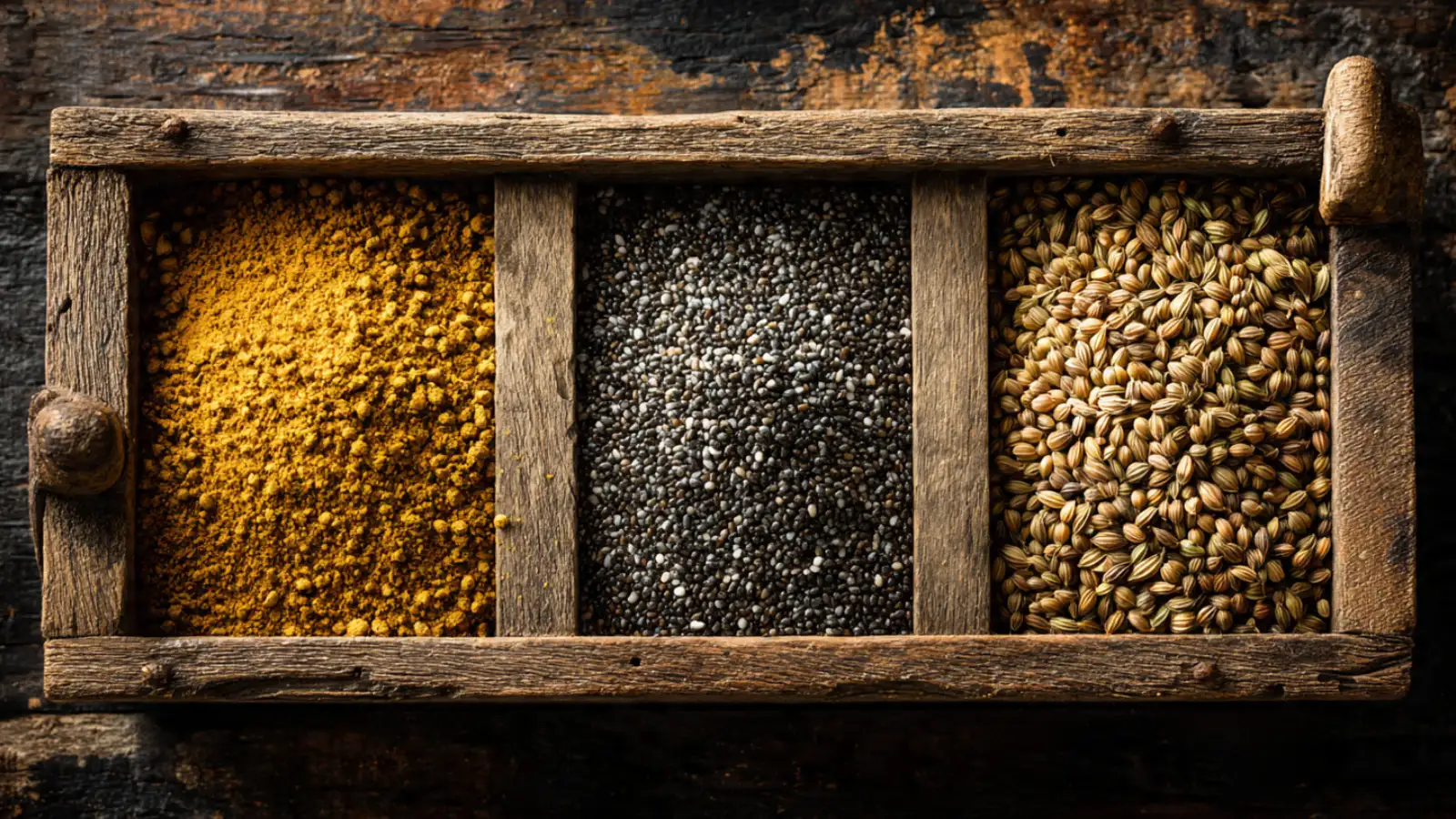
Here’s a closer look at eight popular superfoods that may not be suitable for everyone.
1. Amla Shot on an Empty Stomach
Amla (Indian gooseberry) shots are widely praised for boosting immunity and improving digestion.
However, if you suffer from:
Taking amla on an empty stomach may irritate your gut and worsen reflux symptoms. The high vitamin C content can increase acidity in susceptible individuals.
Tip: If you have acid-related issues, consume it in diluted form and only after meals — or avoid it altogether.
2. Fenugreek Seeds (Methi Dana) Water
Fenugreek water is popular for weight loss and blood sugar control. But it may not be suitable if you have:
Fenugreek stimulates bowel activity. While this helps some people, it may aggravate discomfort and irritation in those already dealing with haemorrhoids.
3. Coriander Seeds (Dhaniya) Water
Coriander water is often consumed for detox and hormonal balance. However, women who experience:
Caution is advised: coriander has cooling properties, which may sometimes reduce menstrual flow further.
4. Dates
Dates are nutrient-dense and packed with fibre, iron and antioxidants. But they are also high in natural sugars.
You should limit or avoid dates if you have:
Even though the sugar is natural, it can still spike blood glucose and worsen metabolic concerns when eaten in excess.
5. Chia Seeds
Chia seeds are praised for omega-3 fatty acids and fibre content. However, their very high soluble fibre can cause:
If you already struggle with gut sensitivity, consuming soaked chia seeds in large amounts may make symptoms worse.
6. Raw Garlic
Raw garlic is often promoted for heart health and immunity. But it may not suit people with:
Garlic can increase stomach acid production and trigger gut irritation, especially when consumed raw.
7. Pearl Millet (Bajra)
Pearl millet, commonly known as bajra, is considered excellent for winter nutrition. However, individuals with:
should consume it cautiously. Regular, excessive intake may interfere with thyroid function due to naturally occurring goitrogenic compounds.
8. Halim Seeds (Garden Cress Seeds)
Halim seeds are rich in iron and often recommended for women’s health. But they may not be ideal if you have:
These seeds can influence thyroid activity and may affect blood pressure regulation in sensitive individuals.
Healthy Is Personal
The biggest takeaway? Not all healthy foods are for you. Even the most celebrated superfoods you should avoid based on your health conditions can backfire if consumed without awareness.
Every body reacts differently. While these foods are beneficial for many people when eaten mindfully and in moderation, those with underlying health issues should always consult a qualified medical professional or nutritionist before making dietary changes.
Healthy eating isn’t about trends - it’s about what truly works for your body.
Here’s a closer look at eight popular superfoods that may not be suitable for everyone.
1. Amla Shot on an Empty Stomach
Amla (Indian gooseberry) shots are widely praised for boosting immunity and improving digestion.
However, if you suffer from:
- Acidity
- GERD (acid reflux)
- Sensitive stomach lining
Taking amla on an empty stomach may irritate your gut and worsen reflux symptoms. The high vitamin C content can increase acidity in susceptible individuals.
Tip: If you have acid-related issues, consume it in diluted form and only after meals — or avoid it altogether.
2. Fenugreek Seeds (Methi Dana) Water
Fenugreek water is popular for weight loss and blood sugar control. But it may not be suitable if you have:
- Piles (haemorrhoids)
- Rectal irritation
- Sensitive bowel movements
Fenugreek stimulates bowel activity. While this helps some people, it may aggravate discomfort and irritation in those already dealing with haemorrhoids.
3. Coriander Seeds (Dhaniya) Water
Coriander water is often consumed for detox and hormonal balance. However, women who experience:
- Very light menstrual flow
- Irregular periods with low bleeding
Caution is advised: coriander has cooling properties, which may sometimes reduce menstrual flow further.
4. Dates
Dates are nutrient-dense and packed with fibre, iron and antioxidants. But they are also high in natural sugars.
You should limit or avoid dates if you have:
- Diabetes
- Fatty liver disease
- High triglyceride levels
Even though the sugar is natural, it can still spike blood glucose and worsen metabolic concerns when eaten in excess.
5. Chia Seeds
Chia seeds are praised for omega-3 fatty acids and fibre content. However, their very high soluble fibre can cause:
- Severe bloating
- Gas
- Digestive discomfort
If you already struggle with gut sensitivity, consuming soaked chia seeds in large amounts may make symptoms worse.
6. Raw Garlic
Raw garlic is often promoted for heart health and immunity. But it may not suit people with:
- Acid reflux
- IBS (Irritable Bowel Syndrome)
- Sensitive gut lining
Garlic can increase stomach acid production and trigger gut irritation, especially when consumed raw.
7. Pearl Millet (Bajra)
Pearl millet, commonly known as bajra, is considered excellent for winter nutrition. However, individuals with:
- Hypothyroidism
- Thyroid imbalance
should consume it cautiously. Regular, excessive intake may interfere with thyroid function due to naturally occurring goitrogenic compounds.
8. Halim Seeds (Garden Cress Seeds)
Halim seeds are rich in iron and often recommended for women’s health. But they may not be ideal if you have:
- Thyroid disorders
- High blood pressure
These seeds can influence thyroid activity and may affect blood pressure regulation in sensitive individuals.
Healthy Is Personal
The biggest takeaway? Not all healthy foods are for you. Even the most celebrated superfoods you should avoid based on your health conditions can backfire if consumed without awareness.
Every body reacts differently. While these foods are beneficial for many people when eaten mindfully and in moderation, those with underlying health issues should always consult a qualified medical professional or nutritionist before making dietary changes.
Healthy eating isn’t about trends - it’s about what truly works for your body.
Next Story