
What Should You Pack for Two Days Away? A Useful Checklist for Clothing, Toiletries and Travel Essentials

Packing for a short break can become surprisingly complicated when every possible situation seems to demand another outfit or gadget. A simple list helps separate genuine essentials from items added out of habit. Start with the weather, planned activities and length of the trip, then build a small, coordinated set of clothing for a weekend.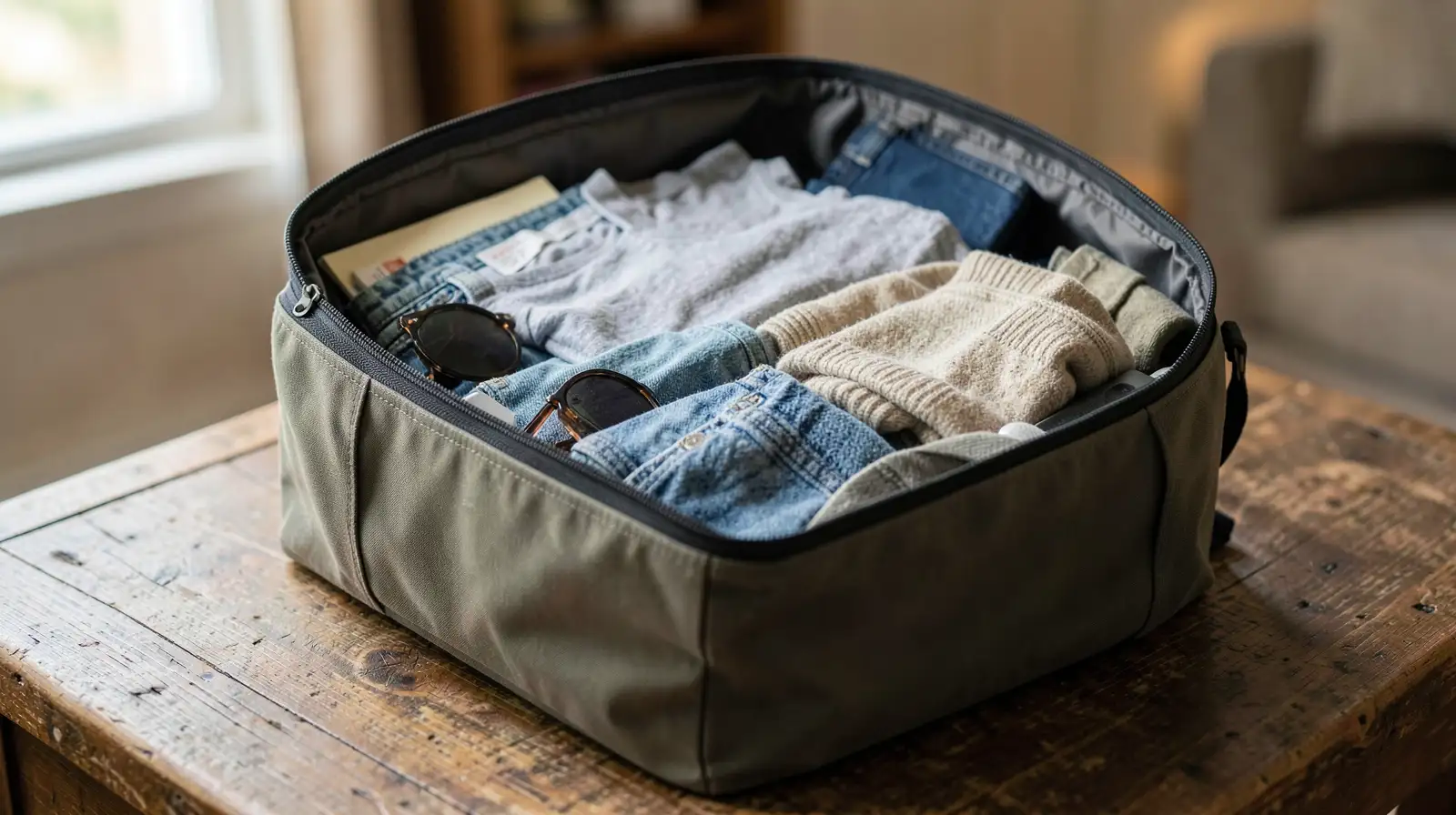
Travelling light does not mean being unprepared. It means choosing versatile items, checking what your accommodation provides and keeping important documents easy to reach. A little organisation before departure can reduce luggage weight, make transport easier and leave less to unpack when you return home.
Wear your bulkiest suitable shoes or outer layer during travel if that makes sense for the weather. Roll soft clothing if it helps you organise the bag, but do not assume rolling always saves space; the result depends on fabric and bag shape. Keep one spare top or another useful change of clothing accessible.
Use small containers for toiletries where permitted, and check whether your accommodation supplies basics such as towels or a hairdryer. Carry essential medication in its original packaging where practical. Do not transfer medicines into unlabelled containers if doing so could cause confusion about what they are or how they should be used.
Before closing the bag, remove items you added only because they might be useful. A second pair of similar shoes, several extra accessories or full-size toiletries may not justify their weight for a two-day trip. Leave some room for purchases rather than forcing the bag shut.
A good packing routine becomes easier with practice. After returning, note anything you did not use and anything you genuinely missed. Adjust the list for your next journey instead of starting from scratch each time. The aim is to carry what supports your plans, not every object that could conceivably come in handy.
Travelling light does not mean being unprepared. It means choosing versatile items, checking what your accommodation provides and keeping important documents easy to reach. A little organisation before departure can reduce luggage weight, make transport easier and leave less to unpack when you return home.
Plan outfits before opening your bag
Check the forecast and list the activities you expect to do. A city break may require comfortable walking shoes, while a countryside stay could call for clothing suited to outdoor conditions. Choose pieces that work together so you can create several combinations without packing a separate outfit for every occasion.You may also like
- Essential Skincare Tips for Winter: Keep Your Skin Healthy
- Why 333 is called a growth number: How to know its importance in yourlife if its message resonates with you
- Building Stronger Parent-Child Relationships Through Apologies
- "If we apologize, the child will walk all over us!" It is this stubbornness on the part of parents that hollows out relationships..
- Gen-Z Embraces IV Drips for Energy Boost During Navratri Festivities
Wear your bulkiest suitable shoes or outer layer during travel if that makes sense for the weather. Roll soft clothing if it helps you organise the bag, but do not assume rolling always saves space; the result depends on fabric and bag shape. Keep one spare top or another useful change of clothing accessible.
Pack essentials in a fixed place
Keep your booking details, identification, payment methods and any required travel documents together in a secure compartment. Check entry requirements and transport rules in advance, particularly when travelling across borders or carrying restricted items. Save important booking information offline in case your mobile connection is unreliable.Use small containers for toiletries where permitted, and check whether your accommodation supplies basics such as towels or a hairdryer. Carry essential medication in its original packaging where practical. Do not transfer medicines into unlabelled containers if doing so could cause confusion about what they are or how they should be used.
Do a final check before leaving
Charge your phone and any necessary devices, pack the appropriate charger and consider a portable power bank if it suits your journey. Check airline baggage limits when flying, because cabin-bag dimensions and liquid rules can differ between carriers and routes. Do not rely on an old packing list for current restrictions.Before closing the bag, remove items you added only because they might be useful. A second pair of similar shoes, several extra accessories or full-size toiletries may not justify their weight for a two-day trip. Leave some room for purchases rather than forcing the bag shut.
A good packing routine becomes easier with practice. After returning, note anything you did not use and anything you genuinely missed. Adjust the list for your next journey instead of starting from scratch each time. The aim is to carry what supports your plans, not every object that could conceivably come in handy.






Loving Newspoint? Download the app now
