
What Makes Toda Embroidery Unique? Explore Its Patterns and Techniques

Toda embroidery is a distinctive textile craft associated with the Toda community of the Nilgiris in Tamil Nadu. Known locally as pukhoor, the craft is recognised for its geometric patterns, contrasting thread colours and detailed hand stitching.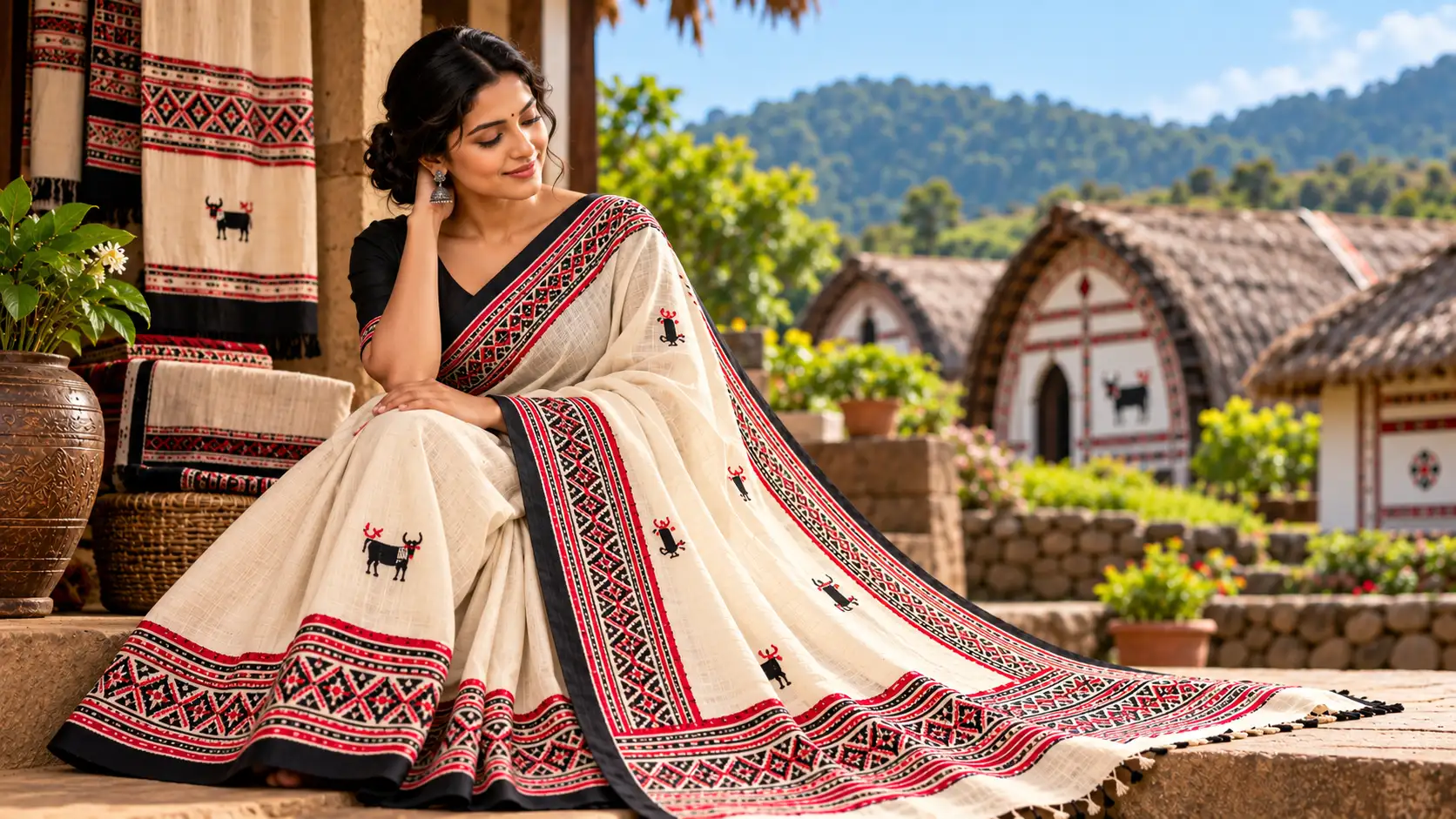
Traditionally, the embroidery was used on garments and shawls worn by members of the community. Over time, the technique has also been adapted for a wider range of textile products.
The craft is important not only for its appearance but also for the knowledge and skills passed between generations of Toda women.
The patterns are often geometric, with motifs inspired by the community's surroundings and cultural life.
Unlike surface decoration that is simply painted or printed, the embroidery is created through careful stitching that follows the structure of the cloth.
A finished piece can look almost woven because of the dense and carefully arranged lines.
The fabric is handled carefully to maintain the required tension while the embroidery progresses. The stitch arrangement creates raised lines and a distinctive texture.
The process requires patience and a good understanding of the pattern. Even a relatively small design can involve considerable handwork.
The Indian government's Development Commissioner (Handicrafts) describes the craft as a traditional practice passed down through generations and explains the distinctive stitching method in its website.
Its embroidered patterns give it a distinctive appearance, and the garment has significance beyond everyday decoration.
The craft is closely connected with the community's identity, making it important to understand its cultural context when buying or displaying a piece.
These products allow the technique to reach buyers who may not purchase a traditional shawl but still want to support the craft.
However, the expansion into contemporary products should not obscure the origins of the embroidery. Its identity remains closely connected with the Toda community and the Nilgiri region.
Ask the seller where the embroidery was made and whether the item was produced by a Toda artisan or community group.
Buying through credible craft organisations or community-linked outlets can help buyers understand who made the product and where the money goes.
Toda embroidery is registered as a Geographical Indication product. The official Intellectual Property India GI record lists Toda Embroidery under application number 135, with Tamil Nadu as its geographical area.
Intellectual Property India
Ask before photographing artisans or their workspaces. Avoid treating community settlements as tourist attractions without permission.
Toda embroidery is a reminder that traditional crafts are living practices, sustained by people who continue to adapt their skills while retaining their cultural identity.
Traditionally, the embroidery was used on garments and shawls worn by members of the community. Over time, the technique has also been adapted for a wider range of textile products.
The craft is important not only for its appearance but also for the knowledge and skills passed between generations of Toda women.
What does Toda embroidery look like?
The traditional design is commonly worked on off-white or white cotton fabric using contrasting threads, particularly red and black. Some contemporary pieces may use additional colours.The patterns are often geometric, with motifs inspired by the community's surroundings and cultural life.
Unlike surface decoration that is simply painted or printed, the embroidery is created through careful stitching that follows the structure of the cloth.
A finished piece can look almost woven because of the dense and carefully arranged lines.
How is the embroidery made?
The technique relies on counting threads and working with the fabric's existing structure. Artisans use a needle and thread to create patterns that follow the warp and weft of the cloth.The fabric is handled carefully to maintain the required tension while the embroidery progresses. The stitch arrangement creates raised lines and a distinctive texture.
The process requires patience and a good understanding of the pattern. Even a relatively small design can involve considerable handwork.
The Indian government's Development Commissioner (Handicrafts) describes the craft as a traditional practice passed down through generations and explains the distinctive stitching method in its website.
The traditional shawl
The poothkuli is a traditional Toda shawl associated with the community's clothing and cultural practices.Its embroidered patterns give it a distinctive appearance, and the garment has significance beyond everyday decoration.
The craft is closely connected with the community's identity, making it important to understand its cultural context when buying or displaying a piece.
From traditional garments to contemporary products
Toda embroidery is now seen on a wider selection of items, including bags, pouches, cushion covers and other textile accessories.These products allow the technique to reach buyers who may not purchase a traditional shawl but still want to support the craft.
However, the expansion into contemporary products should not obscure the origins of the embroidery. Its identity remains closely connected with the Toda community and the Nilgiri region.
How to identify a well-made piece
Look closely at the consistency of the stitches and the way the design follows the fabric. A genuine handmade piece may show small variations, but the overall pattern should be carefully constructed.Ask the seller where the embroidery was made and whether the item was produced by a Toda artisan or community group.
Buying through credible craft organisations or community-linked outlets can help buyers understand who made the product and where the money goes.
Toda embroidery is registered as a Geographical Indication product. The official Intellectual Property India GI record lists Toda Embroidery under application number 135, with Tamil Nadu as its geographical area.
Intellectual Property India
Appreciate the craft respectfully
If you visit the Nilgiris, look for opportunities to learn about the craft through established cultural or artisan organisations.Ask before photographing artisans or their workspaces. Avoid treating community settlements as tourist attractions without permission.
Toda embroidery is a reminder that traditional crafts are living practices, sustained by people who continue to adapt their skills while retaining their cultural identity.
Next Story