
Tofu vs Paneer: Exploring the Health Benefits of Soy and Dairy

In the world of vegetarian and vegan diets, tofu and paneer are two popular protein sources. Tofu, made from soy milk, originates from East Asia, while paneer, a type of cheese, hails from the Indian subcontinent. Both offer distinct tastes, textures, and culinary uses, but when it comes to health, which one reigns supreme? Let's delve into the nutritional profiles of tofu and paneer to determine which is healthier.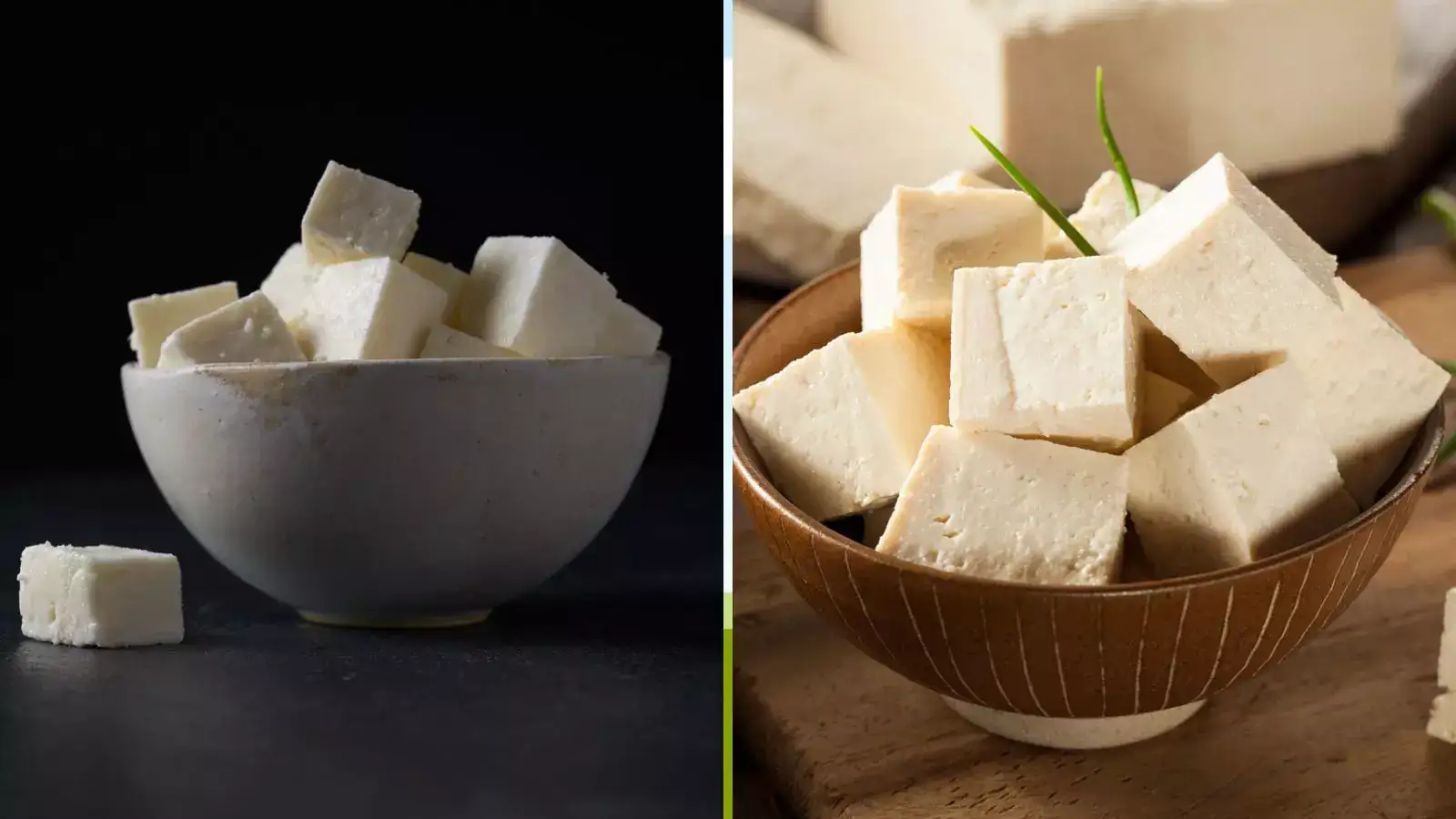
Nutritional Comparison:
Protein Content:
Tofu: Tofu is renowned for its high protein content, making it a staple in vegetarian and vegan diets. It typically contains around 8 grams of protein per 3.5-ounce (100-gram) serving.
Paneer: Paneer is also a good source of protein, with roughly 11 grams per 3.5-ounce serving. However, its protein content is slightly higher than tofu's.
Fat Content:
Tofu: Tofu is relatively low in fat, particularly saturated fat, making it a heart-healthy option. It contains approximately 4-5 grams of fat per serving.
Paneer: Paneer, being a dairy product, contains a significant amount of saturated fat, which may not be ideal for those watching their cholesterol levels. It typically has around 20 grams of fat per serving.
Calcium:
Tofu: Many varieties of tofu are fortified with calcium, making it a valuable source of this essential mineral. However, the exact calcium content can vary based on the brand and type of tofu.
Paneer: Paneer is a rich source of calcium, providing approximately 14% of the recommended daily intake per serving. This makes it particularly beneficial for bone health.
Iron:
Tofu: Tofu contains iron, but the bioavailability of this mineral may be lower compared to animal sources due to the presence of compounds that can inhibit iron absorption.
Paneer: Paneer is not a significant source of iron, which may be a consideration for individuals at risk of iron deficiency.
Health Considerations:
Heart Health:
Tofu: With its low saturated fat content, tofu is often recommended for maintaining heart health and lowering cholesterol levels.
Paneer: Due to its high saturated fat content, consuming paneer in excess may contribute to elevated cholesterol levels and an increased risk of heart disease.
Bone Health:
Tofu: Fortified tofu can be a valuable source of calcium, supporting bone health and reducing the risk of osteoporosis.
Paneer: Paneer is naturally rich in calcium, making it beneficial for maintaining strong bones and teeth.
Digestibility:
Tofu: Tofu is generally easy to digest and may be well-tolerated by individuals with lactose intolerance or dairy allergies.
Paneer: Paneer contains lactose, which may cause digestive discomfort for those with lactose intolerance.
In the tofu vs paneer debate, both foods offer unique nutritional benefits. Tofu shines as a low-fat, plant-based protein source, suitable for individuals looking to reduce their saturated fat intake or follow a vegetarian or vegan diet. On the other hand, Paneer provides a rich source of protein and calcium, making it a valuable addition to a balanced diet, particularly for those who consume dairy.
Ultimately, the choice between tofu and paneer depends on individual dietary preferences, health goals, and nutritional needs. Incorporating a variety of protein sources, including both tofu and paneer, can help ensure a well-rounded and nutritious diet.
Nutritional Comparison:
Protein Content:
Tofu: Tofu is renowned for its high protein content, making it a staple in vegetarian and vegan diets. It typically contains around 8 grams of protein per 3.5-ounce (100-gram) serving.
Paneer: Paneer is also a good source of protein, with roughly 11 grams per 3.5-ounce serving. However, its protein content is slightly higher than tofu's.
Fat Content:
Tofu: Tofu is relatively low in fat, particularly saturated fat, making it a heart-healthy option. It contains approximately 4-5 grams of fat per serving.
Paneer: Paneer, being a dairy product, contains a significant amount of saturated fat, which may not be ideal for those watching their cholesterol levels. It typically has around 20 grams of fat per serving.
Calcium:
Tofu: Many varieties of tofu are fortified with calcium, making it a valuable source of this essential mineral. However, the exact calcium content can vary based on the brand and type of tofu.
Paneer: Paneer is a rich source of calcium, providing approximately 14% of the recommended daily intake per serving. This makes it particularly beneficial for bone health.
Iron:
Tofu: Tofu contains iron, but the bioavailability of this mineral may be lower compared to animal sources due to the presence of compounds that can inhibit iron absorption.
Paneer: Paneer is not a significant source of iron, which may be a consideration for individuals at risk of iron deficiency.
Health Considerations:
Heart Health:
Tofu: With its low saturated fat content, tofu is often recommended for maintaining heart health and lowering cholesterol levels.
Paneer: Due to its high saturated fat content, consuming paneer in excess may contribute to elevated cholesterol levels and an increased risk of heart disease.
You may also like
- Why do Princess Catherine and Prince William have a strict 'no shouting' rule for their children?
- FSSAI Takes Action Against Nestlé India Over Infant Formula Claims and Biotin Levels
- Tamannaah Bhatia's Aadhaar Card Photo Goes Viral, Fans React to Her Picture
- Meet Shankar Baba Papalkar, whose name appears as the father's name on the Aadhaar cards of 123 children
- Pay-slips to change for those earning between ₹15,000 and ₹25,000; find out how your take-home salary will be affected
Bone Health:
Tofu: Fortified tofu can be a valuable source of calcium, supporting bone health and reducing the risk of osteoporosis.
Paneer: Paneer is naturally rich in calcium, making it beneficial for maintaining strong bones and teeth.
Digestibility:
Tofu: Tofu is generally easy to digest and may be well-tolerated by individuals with lactose intolerance or dairy allergies.
Paneer: Paneer contains lactose, which may cause digestive discomfort for those with lactose intolerance.
In the tofu vs paneer debate, both foods offer unique nutritional benefits. Tofu shines as a low-fat, plant-based protein source, suitable for individuals looking to reduce their saturated fat intake or follow a vegetarian or vegan diet. On the other hand, Paneer provides a rich source of protein and calcium, making it a valuable addition to a balanced diet, particularly for those who consume dairy.
Ultimately, the choice between tofu and paneer depends on individual dietary preferences, health goals, and nutritional needs. Incorporating a variety of protein sources, including both tofu and paneer, can help ensure a well-rounded and nutritious diet.






Loving Newspoint? Download the app now
