
10 Best Stargazing Destinations for an Unforgettable Night Under the Stars

For some travellers, the best view begins after sunset. Away from bright city lights, the night sky can become an attraction in its own right, revealing thousands of stars, bright planets and, in the right conditions, the Milky Way stretching across the darkness.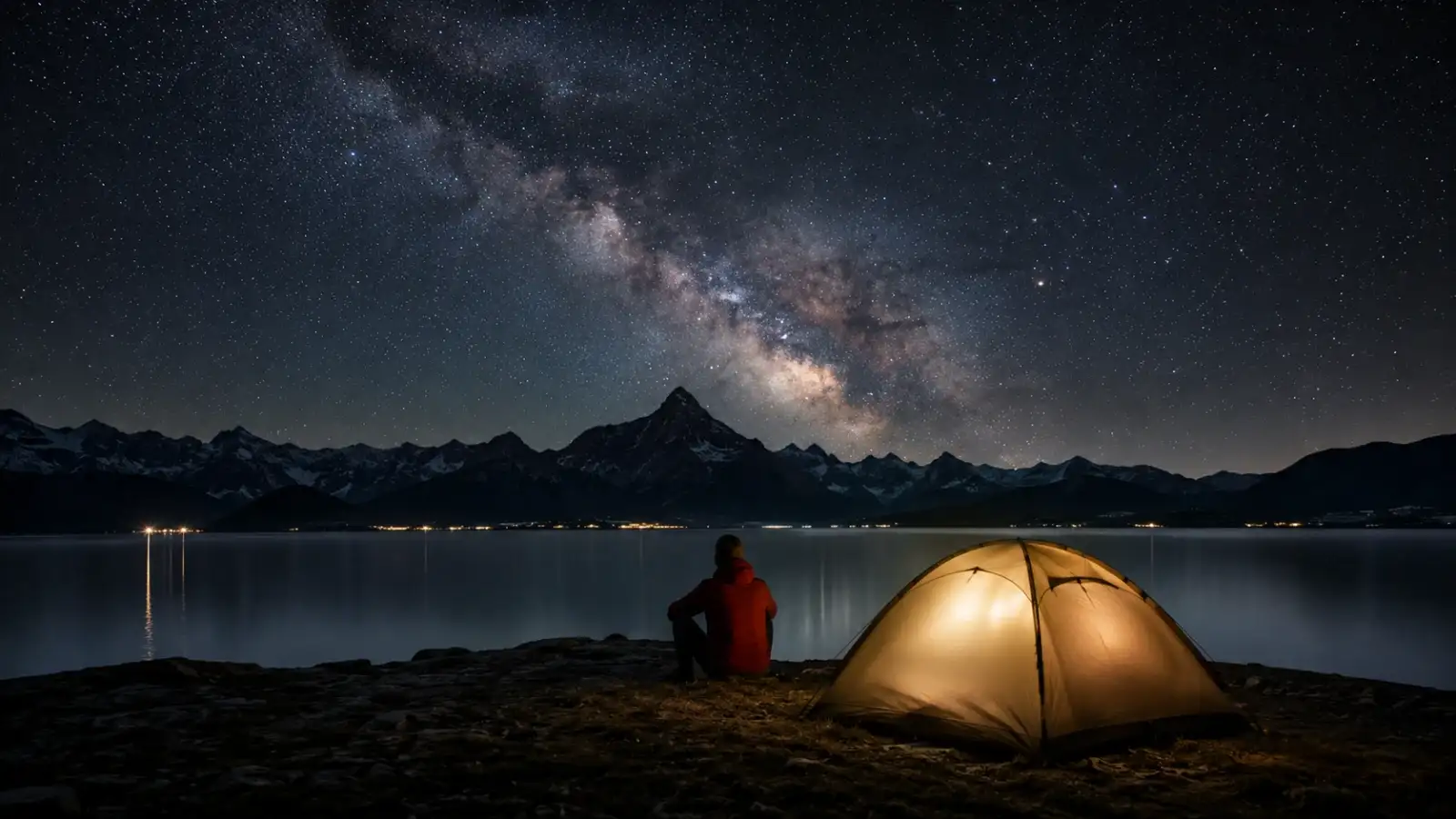
Stargazing does not always require expensive equipment or complicated planning. The most important ingredients are dark skies, clear weather and a location far from artificial light. Some destinations have even built their tourism around astronomy, offering observatories, guided night walks and dedicated viewing areas.
If you want to experience a different kind of travel, these ten stargazing destinations offer some of the most memorable opportunities to look upwards after dark.
The landscape itself adds to the experience. During the day, the desert is filled with mountains, salt flats and unusual rock formations. After sunset, the focus shifts towards the stars.
Several observatories operate in the wider region, and visitors can also join organised astronomy tours. Even without specialist equipment, simply standing beneath the exceptionally clear sky can be an unforgettable experience.
The region is home to dramatic mountains, lakes and open landscapes, making it beautiful during daylight as well.
At night, visitors can look for the Southern Cross and other stars that are difficult or impossible to see from many northern locations. Guided astronomy experiences are also available for travellers who want to learn more about the southern sky.
The desert landscape becomes particularly atmospheric after dark. On a clear night, the sky can appear incredibly deep and full of stars.
Some accommodation in the region is specifically designed to make the most of the night sky, including outdoor sleeping areas and rooms with views towards the heavens. The combination of desert silence and starlight creates an experience unlike a typical holiday.
Visitors should be aware that the high elevation requires care and that access to some areas can be restricted. Rather than simply driving to the summit without preparation, check current visitor information and conditions.
For travellers who make the journey, the experience combines volcanic landscapes with an extraordinary view of the night sky.
During the day, visitors can explore mountains, lakes and forests. After dark, the same landscape becomes a natural observatory.
The park also hosts astronomy-focused events at certain times of the year. If you visit during a period with clear skies and little moonlight, find a location away from busy areas and allow your eyes time to adjust to the darkness.
The large Alqueva reservoir and surrounding countryside provide plenty of open spaces with limited artificial lighting. Local astronomy experiences can help visitors understand what they are seeing in the sky.
This destination is particularly appealing because stargazing can be combined with Portuguese food, rural villages and outdoor activities. You do not need to spend the entire holiday focused on astronomy.
The island is home to major observatories, while visitors can enjoy guided stargazing experiences at selected locations.
La Palma is also a rewarding daytime destination, with volcanic landscapes, forests and coastal scenery. This makes it ideal for travellers who want a holiday that combines nature and astronomy.
The contrast between the harsh desert landscape during the day and the star-filled sky at night is part of the appeal.
Summer temperatures can be dangerously high, so travellers should plan carefully and consider cooler seasons for outdoor activities. At night, choose safe viewing areas and carry enough water and essential supplies.
The limited artificial light makes the area suitable for stargazing, and many desert camps offer opportunities to sleep beneath or alongside the night sky.
A night in Wadi Rum can combine traditional food, desert hospitality and astronomy. The stars seem particularly striking when there are no city lights competing for attention.
The area combines mountains, lakes, islands and Atlantic coastline with relatively low levels of light pollution. On clear nights, visitors can see far more stars than they would from a brightly lit town or city.
The unpredictable Irish weather means conditions can change quickly, so flexibility is useful. If clouds arrive, spend the evening enjoying the local scenery and try again when the sky clears.
For the darkest possible sky, plan your visit around a new moon when possible. Check the weather forecast before heading out and move away from streetlights, buildings and busy roads.
Give your eyes time to adjust to darkness. Avoid looking at bright phone screens immediately before or during your viewing session, as this can make it harder for your eyes to adapt.
You also do not necessarily need a telescope. The naked eye can reveal an impressive number of stars under genuinely dark conditions. Binoculars can provide another useful step for beginners, while guided astronomy tours can help you identify constellations and planets.
These destinations also encourage travellers to experience landscapes differently. A desert, mountain range or coastal valley can become almost unrecognisable once the sun disappears.
For anyone searching for unusual travel experiences, a dark sky destination offers a chance to combine nature, science and quiet time. You may arrive expecting to photograph the stars, but the most memorable part could simply be standing outside in the darkness and realising how much of the night sky is hidden by city lights.
Stargazing does not always require expensive equipment or complicated planning. The most important ingredients are dark skies, clear weather and a location far from artificial light. Some destinations have even built their tourism around astronomy, offering observatories, guided night walks and dedicated viewing areas.
If you want to experience a different kind of travel, these ten stargazing destinations offer some of the most memorable opportunities to look upwards after dark.
1. Atacama Desert, Chile: A Stargazer's Dream
The Atacama Desert is one of the world's most famous destinations for astronomy. Its extremely dry climate, high altitude and limited light pollution create excellent conditions for observing the night sky.The landscape itself adds to the experience. During the day, the desert is filled with mountains, salt flats and unusual rock formations. After sunset, the focus shifts towards the stars.
Several observatories operate in the wider region, and visitors can also join organised astronomy tours. Even without specialist equipment, simply standing beneath the exceptionally clear sky can be an unforgettable experience.
2. Aoraki Mackenzie, New Zealand: Dark Skies Over the Southern Alps
Aoraki Mackenzie International Dark Sky Reserve in New Zealand is a spectacular destination for anyone interested in stargazing. The reserve covers a large area of the South Island and benefits from relatively low levels of artificial light.The region is home to dramatic mountains, lakes and open landscapes, making it beautiful during daylight as well.
At night, visitors can look for the Southern Cross and other stars that are difficult or impossible to see from many northern locations. Guided astronomy experiences are also available for travellers who want to learn more about the southern sky.
3. NamibRand Nature Reserve, Namibia: Stars Over the Desert
Namibia's NamibRand Nature Reserve is another remarkable place for night sky viewing. Its remote location and very low levels of artificial light create a spectacular backdrop for observing stars.The desert landscape becomes particularly atmospheric after dark. On a clear night, the sky can appear incredibly deep and full of stars.
Some accommodation in the region is specifically designed to make the most of the night sky, including outdoor sleeping areas and rooms with views towards the heavens. The combination of desert silence and starlight creates an experience unlike a typical holiday.
4. Mauna Kea, Hawaii: High Above the Clouds
Mauna Kea on Hawaii's Big Island is famous for its astronomical observatories and high-altitude setting. At more than 4,000 metres above sea level, the summit rises above much of the atmosphere and offers exceptional conditions for astronomy.Visitors should be aware that the high elevation requires care and that access to some areas can be restricted. Rather than simply driving to the summit without preparation, check current visitor information and conditions.
For travellers who make the journey, the experience combines volcanic landscapes with an extraordinary view of the night sky.
5. Jasper National Park, Canada: Stars Over the Rockies
Jasper National Park in Alberta is part of one of the world's largest accessible dark sky preserves. The surrounding Canadian Rockies provide an impressive setting for viewing the stars.During the day, visitors can explore mountains, lakes and forests. After dark, the same landscape becomes a natural observatory.
The park also hosts astronomy-focused events at certain times of the year. If you visit during a period with clear skies and little moonlight, find a location away from busy areas and allow your eyes time to adjust to the darkness.
6. Alqueva, Portugal: Europe's First Dark Sky Tourism Destination
The Alqueva region of Portugal is known for its Dark Sky destination status and has developed tourism around astronomy and stargazing.The large Alqueva reservoir and surrounding countryside provide plenty of open spaces with limited artificial lighting. Local astronomy experiences can help visitors understand what they are seeing in the sky.
This destination is particularly appealing because stargazing can be combined with Portuguese food, rural villages and outdoor activities. You do not need to spend the entire holiday focused on astronomy.
7. La Palma, Spain: The Island of Stars
La Palma in the Canary Islands is another major destination for astronomy. Its high mountains, clean air and controlled lighting in many areas have helped make it an important location for observing the universe.The island is home to major observatories, while visitors can enjoy guided stargazing experiences at selected locations.
La Palma is also a rewarding daytime destination, with volcanic landscapes, forests and coastal scenery. This makes it ideal for travellers who want a holiday that combines nature and astronomy.
8. Death Valley, United States: A Dark Desert Sky
Death Valley National Park in California is known for its extreme desert environment, but it also offers impressive night sky views. Its remote location and distance from major cities mean that artificial light is limited in many areas.The contrast between the harsh desert landscape during the day and the star-filled sky at night is part of the appeal.
Summer temperatures can be dangerously high, so travellers should plan carefully and consider cooler seasons for outdoor activities. At night, choose safe viewing areas and carry enough water and essential supplies.
9. Wadi Rum, Jordan: Stargazing Among Red Rocks
Wadi Rum is famous for its dramatic desert scenery, towering rock formations and vast open spaces. After sunset, the landscape takes on an entirely different character.The limited artificial light makes the area suitable for stargazing, and many desert camps offer opportunities to sleep beneath or alongside the night sky.
A night in Wadi Rum can combine traditional food, desert hospitality and astronomy. The stars seem particularly striking when there are no city lights competing for attention.
10. Kerry International Dark Sky Reserve, Ireland: A Starry Atlantic Coast
The Kerry International Dark Sky Reserve in south-west Ireland offers excellent opportunities to see the night sky from a beautiful coastal landscape.The area combines mountains, lakes, islands and Atlantic coastline with relatively low levels of light pollution. On clear nights, visitors can see far more stars than they would from a brightly lit town or city.
The unpredictable Irish weather means conditions can change quickly, so flexibility is useful. If clouds arrive, spend the evening enjoying the local scenery and try again when the sky clears.
How to Get the Best Stargazing Experience
Choosing the right destination is only part of the experience. Moonlight, clouds and local conditions can make a major difference to what you see.You may also like
- Ganesh Chaturthi Rangoli Ideas: 7 Beautiful Designs to Give Your Home a Festive Makeover
- Jennifer Garner's garden isn't just for show: The vegetables, herbs, and hands-on hobby that have become part of the actor's life
- Kendall Jenner turned heads in the simplest golden dress at Venice Film Festival
- Clicking or Popping Hips During Pregnancy: Causes & Tips
- Create a Resume Using AI and Succeed in Job Interviews
For the darkest possible sky, plan your visit around a new moon when possible. Check the weather forecast before heading out and move away from streetlights, buildings and busy roads.
Give your eyes time to adjust to darkness. Avoid looking at bright phone screens immediately before or during your viewing session, as this can make it harder for your eyes to adapt.
You also do not necessarily need a telescope. The naked eye can reveal an impressive number of stars under genuinely dark conditions. Binoculars can provide another useful step for beginners, while guided astronomy tours can help you identify constellations and planets.
Why Dark Sky Travel Is Becoming So Appealing
Stargazing offers something that many modern holidays lack. There is no timetable to follow and no attraction to rush through. You simply have to stop and look upwards.These destinations also encourage travellers to experience landscapes differently. A desert, mountain range or coastal valley can become almost unrecognisable once the sun disappears.
For anyone searching for unusual travel experiences, a dark sky destination offers a chance to combine nature, science and quiet time. You may arrive expecting to photograph the stars, but the most memorable part could simply be standing outside in the darkness and realising how much of the night sky is hidden by city lights.






Loving Newspoint? Download the app now
