
Places to Visit in India If You Love History and Architecture

India is one of the most rewarding countries to explore if you are interested in history and architecture. Across the country, ancient temples, medieval forts, Mughal monuments, colonial buildings and royal palaces tell stories from very different periods.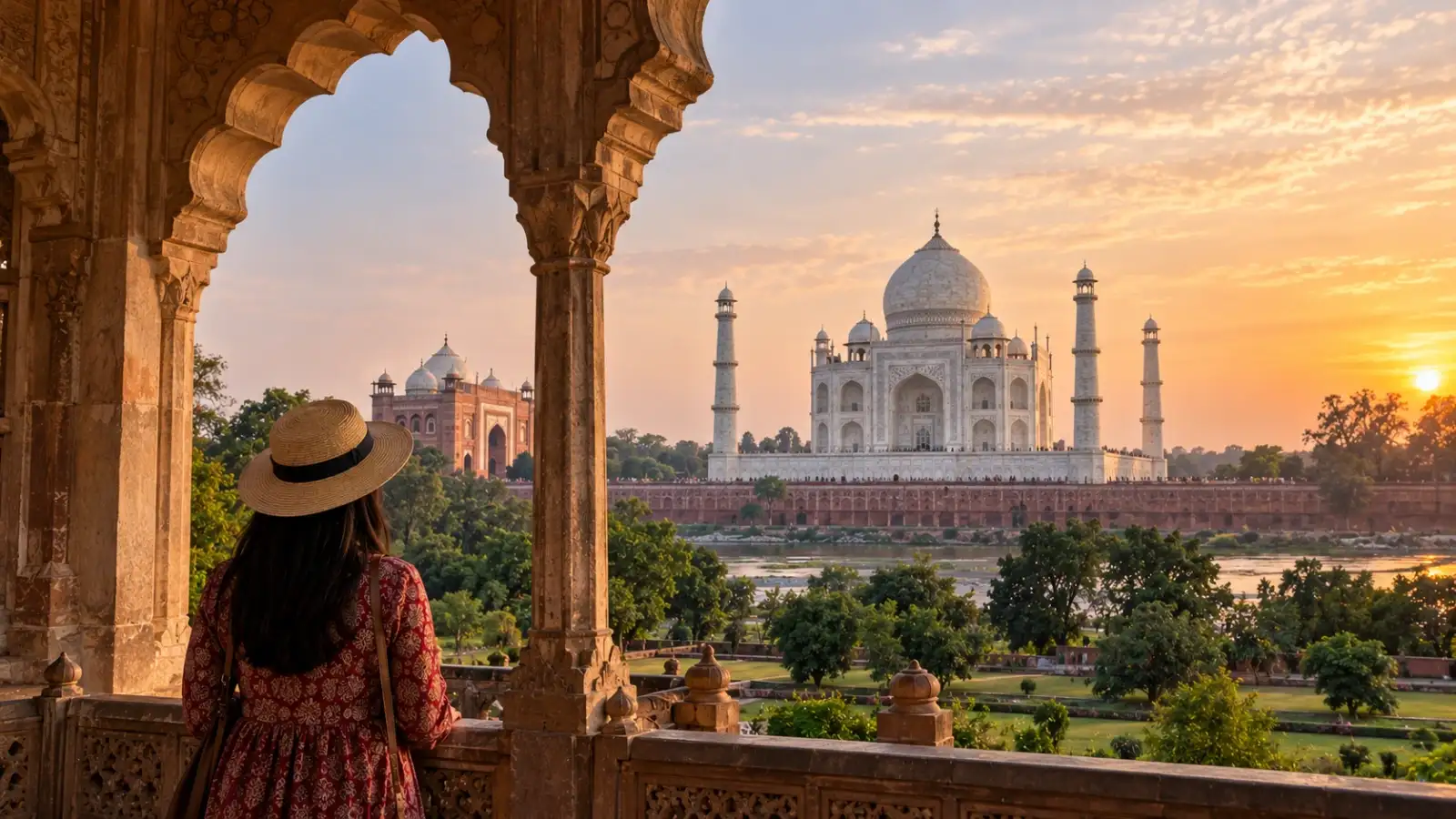
What makes travelling through India especially interesting is the variety. A trip to Rajasthan can take you through massive hill forts and ornate palaces, while a visit to Tamil Nadu reveals enormous temple complexes covered with detailed carvings. In Delhi and Agra, Mughal architecture dominates the landscape, while Mumbai offers striking examples of Gothic and Indo-Saracenic design.
You do not have to be an architecture expert to appreciate these places. Looking closely at a carved doorway, walking through an old courtyard or standing beneath a centuries-old dome can make history feel much more tangible.
If history and architecture are among your main reasons for travelling, these ten Indian destinations deserve a place on your list.
The Taj Mahal was commissioned by Mughal emperor Shah Jahan in the 17th century as a mausoleum for Mumtaz Mahal. Its white marble, symmetrical gardens and detailed decorative work demonstrate the sophistication of Mughal architecture.
Agra Fort provides a different perspective on the same period. Its massive red sandstone walls surround palaces, courtyards and halls built and expanded by several Mughal rulers.
A visit to both monuments shows how Mughal architecture could range from monumental defensive structures to highly refined decorative buildings.
The Amber Fort is particularly impressive, combining defensive walls with elaborate courtyards, halls and decorative details. Within the city, the City Palace offers another glimpse into the region's royal history.
The Hawa Mahal is perhaps Jaipur's most recognisable building. Its honeycomb-like façade contains numerous windows designed to allow women of the royal household to observe life on the streets while remaining largely unseen.
Jaipur is also part of the UNESCO-listed Hill Forts of Rajasthan, reflecting the importance of fortified architecture in the region.
The Red Fort is one of the most important Mughal structures in the capital, while Humayun's Tomb is an influential example of early Mughal garden-tomb architecture.
Qutub Minar and its surrounding complex reveal another chapter in Delhi's history, with architecture associated with the early Delhi Sultanate.
One of the most interesting things about visiting Delhi is seeing historic buildings surrounded by a modern city. A centuries-old monument can stand only a short distance from busy roads, offices and markets.
Huge stone structures, temple complexes, gateways, markets and monuments are scattered across a dramatic landscape of rocky hills and boulders.
The Virupaksha Temple remains an active place of worship, while the Vittala Temple complex is famous for its stone chariot and richly decorated architecture.
Hampi is best explored slowly because the ruins cover a large area. Walking or cycling between different parts of the historic landscape helps visitors understand the scale of the former city.
The temples are covered with detailed sculptures depicting gods, musicians, animals, everyday life and various aspects of human experience.
The Western Group of Temples contains some of the most impressive examples and is the main area for visitors to explore.
The craftsmanship is the real attraction. Spend time looking closely at the walls rather than simply taking photographs from a distance. The enormous number of carvings reveals how much skill and labour went into these buildings.
The palace is particularly impressive for its domes, arches, stained glass and richly decorated interiors.
Mysuru also has other historic buildings, temples and royal sites, making it possible to spend several days exploring the city's architectural heritage.
The palace is especially atmospheric when illuminated in the evening, although timings and lighting arrangements can vary.
Inside, visitors can explore courtyards, palaces and galleries containing examples of royal life and craftsmanship.
The fort's architecture reflects its defensive purpose, with enormous walls and imposing gateways. Yet beyond the military structures are finely decorated palace interiors that show another side of Rajput architecture.
From the fort, you can also see the dense historic city below, making the visit rewarding both architecturally and visually.
The city is also home to important examples of Indo-Islamic architecture. The Sidi Saiyyed Mosque is particularly famous for its intricate stone latticework.
Ahmedabad's historic centre was recognised as a UNESCO World Heritage City, reflecting its importance as an urban cultural landscape.
Exploring the old city on foot is one of the best ways to appreciate its architecture because many interesting details can be missed from a vehicle.
The Shore Temple is perhaps the most famous, standing close to the sea and creating one of India's most distinctive historic landscapes.
The site also contains rock-cut caves, monolithic monuments and enormous sculpted reliefs. Many structures were carved from the natural rock, demonstrating the remarkable skills of the craftsmen who worked here.
The combination of architecture, sculpture and coastal scenery makes Mahabalipuram particularly memorable.
The Victoria Memorial is one of the city's most recognisable landmarks. Built in the early 20th century, the grand marble structure combines European architectural influences with elements associated with Indian design.
Around the older parts of Kolkata, you can also find historic buildings, churches, markets and former colonial-era institutions.
Walking through areas such as the central heritage districts reveals how Kolkata developed as an important centre during the colonial period while retaining a strong local cultural identity.
Indian architecture has been influenced by different religions, kingdoms, empires, regional traditions and outside cultures. Stone temples in the south look dramatically different from Mughal monuments in the north, while Rajasthan's forts have a different character again.
Climate and available materials also influenced construction. Local stone, wood and other materials shaped the appearance of buildings in different regions.
This means an architecture-focused journey through India can feel like several different trips combined into one.
Early mornings are often useful for outdoor monuments because temperatures can be more comfortable and popular sites may be quieter. Carry water, wear comfortable footwear and allow time to explore surrounding streets rather than only the main attractions.
A local guide can also add considerable value, particularly at sites where the history is complex. They can explain architectural details and stories that may not be obvious when visiting independently.
Respect rules around photography, religious spaces and restricted areas. Many historic monuments are also active places of worship, so visitors should follow local customs.
From the Mughal masterpieces of Agra to the stone ruins of Hampi, the carved temples of Khajuraho and the royal buildings of Jaipur and Mysuru, each destination offers a different window into India's past.
For travellers who enjoy understanding places through their buildings, these destinations provide more than beautiful photographs. They show how rulers, craftsmen, religious communities and ordinary residents shaped the country over hundreds and sometimes thousands of years.
A journey through India's architectural heritage is ultimately a journey through its history, with every arch, carving, courtyard and stone wall offering another part of the story.
What makes travelling through India especially interesting is the variety. A trip to Rajasthan can take you through massive hill forts and ornate palaces, while a visit to Tamil Nadu reveals enormous temple complexes covered with detailed carvings. In Delhi and Agra, Mughal architecture dominates the landscape, while Mumbai offers striking examples of Gothic and Indo-Saracenic design.
You do not have to be an architecture expert to appreciate these places. Looking closely at a carved doorway, walking through an old courtyard or standing beneath a centuries-old dome can make history feel much more tangible.
If history and architecture are among your main reasons for travelling, these ten Indian destinations deserve a place on your list.
1. Agra: The City of Mughal Masterpieces
Agra is an essential destination for anyone interested in Indian architecture. The city is home to the Taj Mahal, one of the world's most famous monuments, but there is considerably more to explore.The Taj Mahal was commissioned by Mughal emperor Shah Jahan in the 17th century as a mausoleum for Mumtaz Mahal. Its white marble, symmetrical gardens and detailed decorative work demonstrate the sophistication of Mughal architecture.
Agra Fort provides a different perspective on the same period. Its massive red sandstone walls surround palaces, courtyards and halls built and expanded by several Mughal rulers.
A visit to both monuments shows how Mughal architecture could range from monumental defensive structures to highly refined decorative buildings.
2. Jaipur: Palaces, Forts and Royal Architecture
Jaipur is one of India's best-known destinations for historic architecture. The capital of Rajasthan's former princely state is filled with palaces, forts, gates and traditional buildings.The Amber Fort is particularly impressive, combining defensive walls with elaborate courtyards, halls and decorative details. Within the city, the City Palace offers another glimpse into the region's royal history.
The Hawa Mahal is perhaps Jaipur's most recognisable building. Its honeycomb-like façade contains numerous windows designed to allow women of the royal household to observe life on the streets while remaining largely unseen.
Jaipur is also part of the UNESCO-listed Hill Forts of Rajasthan, reflecting the importance of fortified architecture in the region.
3. Delhi: Centuries of History in One City
Delhi is almost like an open-air history book. Different cities and settlements developed across the area over many centuries, leaving behind monuments from several historical periods.The Red Fort is one of the most important Mughal structures in the capital, while Humayun's Tomb is an influential example of early Mughal garden-tomb architecture.
Qutub Minar and its surrounding complex reveal another chapter in Delhi's history, with architecture associated with the early Delhi Sultanate.
One of the most interesting things about visiting Delhi is seeing historic buildings surrounded by a modern city. A centuries-old monument can stand only a short distance from busy roads, offices and markets.
4. Hampi: Ruins of a Lost Imperial City
Hampi in Karnataka offers a completely different architectural experience. The site contains the remains of the Vijayanagara Empire, which flourished in southern India between the 14th and 16th centuries.Huge stone structures, temple complexes, gateways, markets and monuments are scattered across a dramatic landscape of rocky hills and boulders.
The Virupaksha Temple remains an active place of worship, while the Vittala Temple complex is famous for its stone chariot and richly decorated architecture.
Hampi is best explored slowly because the ruins cover a large area. Walking or cycling between different parts of the historic landscape helps visitors understand the scale of the former city.
5. Khajuraho: Temples Covered in Stone Carvings
Khajuraho in Madhya Pradesh is famous for its group of Hindu and Jain temples, many of which were built between the 10th and 12th centuries.The temples are covered with detailed sculptures depicting gods, musicians, animals, everyday life and various aspects of human experience.
The Western Group of Temples contains some of the most impressive examples and is the main area for visitors to explore.
The craftsmanship is the real attraction. Spend time looking closely at the walls rather than simply taking photographs from a distance. The enormous number of carvings reveals how much skill and labour went into these buildings.
6. Mysuru: Palaces and Indo-Saracenic Grandeur
Mysuru in Karnataka is an excellent choice for travellers who enjoy royal architecture. The city's most famous building is Mysore Palace, which combines several architectural influences, including Hindu, Islamic, Rajput and Gothic elements.The palace is particularly impressive for its domes, arches, stained glass and richly decorated interiors.
Mysuru also has other historic buildings, temples and royal sites, making it possible to spend several days exploring the city's architectural heritage.
The palace is especially atmospheric when illuminated in the evening, although timings and lighting arrangements can vary.
7. Jodhpur: A Fort Above the Blue City
Jodhpur is dominated by Mehrangarh Fort, one of India's most imposing historic forts. Built on a rocky hill, the fort rises dramatically above the blue-painted houses of the old city.Inside, visitors can explore courtyards, palaces and galleries containing examples of royal life and craftsmanship.
The fort's architecture reflects its defensive purpose, with enormous walls and imposing gateways. Yet beyond the military structures are finely decorated palace interiors that show another side of Rajput architecture.
From the fort, you can also see the dense historic city below, making the visit rewarding both architecturally and visually.
8. Ahmedabad: Historic Houses and Indo-Islamic Architecture
Ahmedabad offers an architectural experience that goes beyond grand monuments. The old city contains historic neighbourhoods known as pols, where traditional houses are arranged around shared spaces and narrow lanes.The city is also home to important examples of Indo-Islamic architecture. The Sidi Saiyyed Mosque is particularly famous for its intricate stone latticework.
Ahmedabad's historic centre was recognised as a UNESCO World Heritage City, reflecting its importance as an urban cultural landscape.
Exploring the old city on foot is one of the best ways to appreciate its architecture because many interesting details can be missed from a vehicle.
9. Mahabalipuram: Temples Carved From Stone
Mahabalipuram, also known as Mamallapuram, sits on the coast of Tamil Nadu and is known for its remarkable Pallava-era monuments.The Shore Temple is perhaps the most famous, standing close to the sea and creating one of India's most distinctive historic landscapes.
The site also contains rock-cut caves, monolithic monuments and enormous sculpted reliefs. Many structures were carved from the natural rock, demonstrating the remarkable skills of the craftsmen who worked here.
The combination of architecture, sculpture and coastal scenery makes Mahabalipuram particularly memorable.
10. Kolkata: Colonial Architecture With a Bengali Character
Kolkata offers a different side of India's architectural history. The city contains numerous colonial-era buildings alongside Bengali architecture and modern urban development.The Victoria Memorial is one of the city's most recognisable landmarks. Built in the early 20th century, the grand marble structure combines European architectural influences with elements associated with Indian design.
Around the older parts of Kolkata, you can also find historic buildings, churches, markets and former colonial-era institutions.
Walking through areas such as the central heritage districts reveals how Kolkata developed as an important centre during the colonial period while retaining a strong local cultural identity.
Why India's Architecture Is So Diverse
One of the biggest attractions for architecture lovers is the sheer variety found within relatively short distances.Indian architecture has been influenced by different religions, kingdoms, empires, regional traditions and outside cultures. Stone temples in the south look dramatically different from Mughal monuments in the north, while Rajasthan's forts have a different character again.
Climate and available materials also influenced construction. Local stone, wood and other materials shaped the appearance of buildings in different regions.
This means an architecture-focused journey through India can feel like several different trips combined into one.
How to Plan a History and Architecture Trip
Avoid trying to see every major monument in a single day. Historic complexes can be larger than they first appear, and rushing through them can make the experience less enjoyable.You may also like
- Ganesh Chaturthi Rangoli Ideas: 7 Beautiful Designs to Give Your Home a Festive Makeover
- Jennifer Garner's garden isn't just for show: The vegetables, herbs, and hands-on hobby that have become part of the actor's life
- Kendall Jenner turned heads in the simplest golden dress at Venice Film Festival
- Clicking or Popping Hips During Pregnancy: Causes & Tips
- Create a Resume Using AI and Succeed in Job Interviews
Early mornings are often useful for outdoor monuments because temperatures can be more comfortable and popular sites may be quieter. Carry water, wear comfortable footwear and allow time to explore surrounding streets rather than only the main attractions.
A local guide can also add considerable value, particularly at sites where the history is complex. They can explain architectural details and stories that may not be obvious when visiting independently.
Respect rules around photography, religious spaces and restricted areas. Many historic monuments are also active places of worship, so visitors should follow local customs.
A Journey Through India's Built Heritage
India's historic architecture is not confined to a handful of famous monuments. It exists in old city streets, village temples, royal forts, forgotten ruins and grand palaces.From the Mughal masterpieces of Agra to the stone ruins of Hampi, the carved temples of Khajuraho and the royal buildings of Jaipur and Mysuru, each destination offers a different window into India's past.
For travellers who enjoy understanding places through their buildings, these destinations provide more than beautiful photographs. They show how rulers, craftsmen, religious communities and ordinary residents shaped the country over hundreds and sometimes thousands of years.
A journey through India's architectural heritage is ultimately a journey through its history, with every arch, carving, courtyard and stone wall offering another part of the story.






Loving Newspoint? Download the app now
