
Natural Collagen-Boosting Ingredients You Should Add to Your Diet for Healthier Skin and Joints

Collagen is the most abundant protein in the human body, serving as the primary building block for skin, bones, muscles, tendons, and ligaments. It’s what keeps your skin firm, joints flexible, and bones strong. However, as we age, the natural production of collagen decreases, leading to signs of aging such as wrinkles, joint pain, and sagging skin.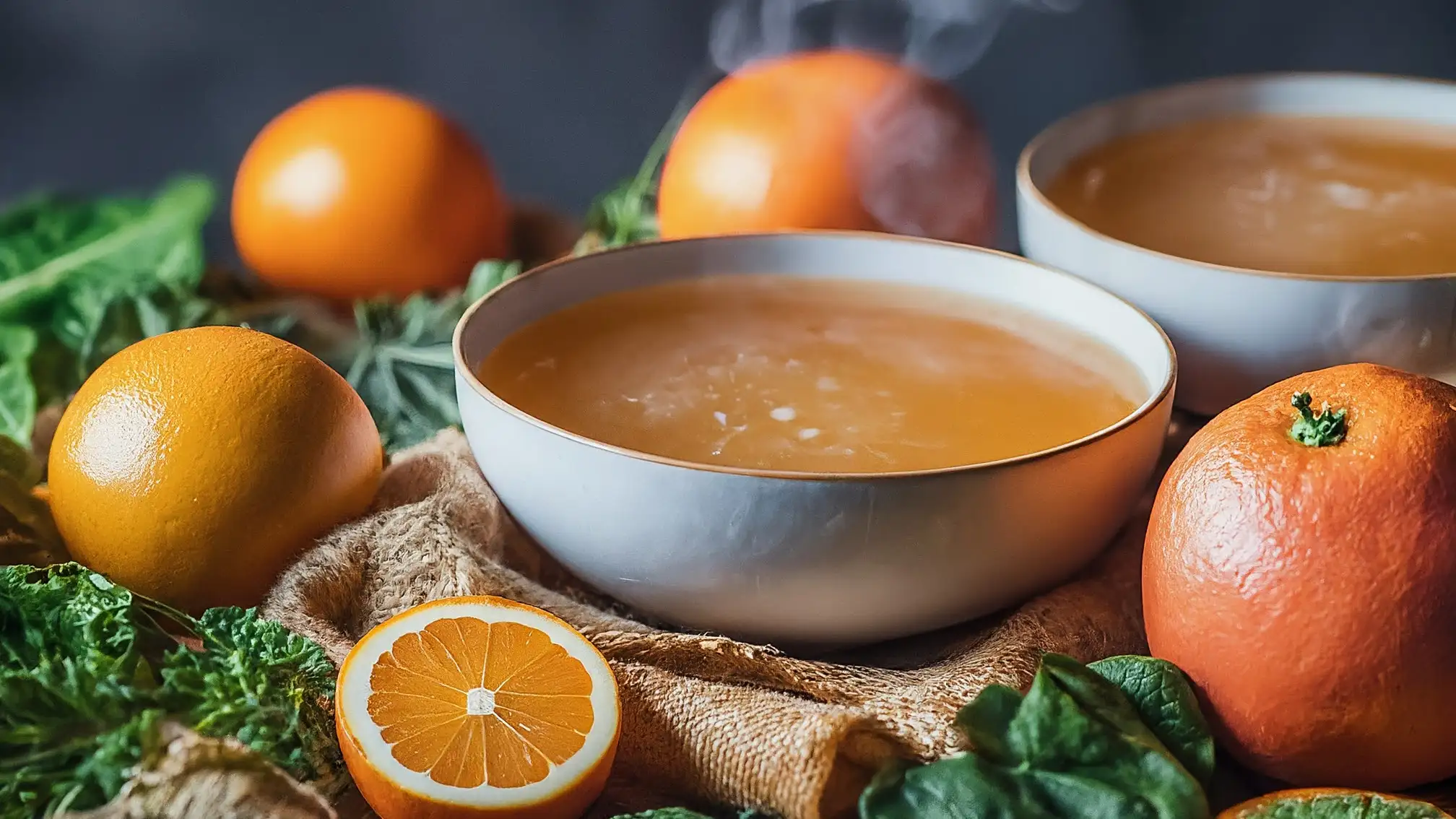
While collagen supplements are popular, your diet can also play a crucial role in boosting collagen levels naturally. Let’s explore the top natural collagen-boosting ingredients you should incorporate into your meals for healthier skin, stronger joints, and overall vitality.
Tip: Add fresh lemon juice to salads or start your day with a glass of orange juice to keep your collagen levels up.
Tip: Drink a warm cup of bone broth daily or use it as a base for soups and stews.
Tip: Snack on berries or add them to smoothies and yoghurt for a nutritious collagen-boosting treat.
Tip: Include fresh garlic in your cooking, such as in stir-fries, sauces, and dressings.
Tip: Enjoy a leafy green salad or sauté spinach with garlic for a powerful combination.
Tip: Include eggs in your breakfast routine a few times a week, whether boiled, scrambled, or in omelettes.
Tip: Sprinkle seeds over salads or oatmeal and snack on a handful of nuts for a collagen-friendly snack.
Tip: Use tomato-based sauces in pasta, curries, or stews to boost your lycopene intake.
Tip: Add tofu to stir-fries or enjoy a glass of unsweetened soy milk daily.
Tip: Add sliced avocado to toast or salads for a creamy, nutrient-rich addition.
While collagen supplements can be beneficial, a natural, whole-food diet rich in collagen-supporting nutrients is the best way to enhance your body’s ability to produce and maintain collagen. By including foods like citrus fruits, bone broth, leafy greens, and nuts in your diet, you’ll be supporting not only your skin health but also your joints, bones, and overall vitality.
While collagen supplements are popular, your diet can also play a crucial role in boosting collagen levels naturally. Let’s explore the top natural collagen-boosting ingredients you should incorporate into your meals for healthier skin, stronger joints, and overall vitality.
Why Collagen Is Important for the Body
Collagen acts as the glue that holds your body together. It supports:- Skin elasticity and hydration
- Joint and cartilage health
- Bone density and muscle strength
- Gut lining integrity
1. Citrus Fruits – Vitamin C for Collagen Production
Citrus fruits like oranges, lemons, limes, and grapefruits are rich in vitamin C—a vital co-factor in the collagen synthesis process. Vitamin C helps convert proline into hydroxyproline, a key amino acid that stabilises collagen’s structure.Tip: Add fresh lemon juice to salads or start your day with a glass of orange juice to keep your collagen levels up.
2. Bone Broth – Collagen in its Most Absorbable Form
Bone broth, made by simmering animal bones for hours, is naturally rich in collagen, gelatin, and amino acids like glycine and proline. It’s one of the best whole food sources of dietary collagen.Tip: Drink a warm cup of bone broth daily or use it as a base for soups and stews.
3. Berries – Antioxidants That Protect Collagen
Strawberries, blueberries, raspberries, and blackberries are high in antioxidants that protect the skin from collagen-degrading free radicals. They also provide vitamin C to aid collagen production.Tip: Snack on berries or add them to smoothies and yoghurt for a nutritious collagen-boosting treat.
4. Garlic – Sulfur for Collagen Formation
Garlic contains sulfur, a trace mineral essential for collagen production and liver detoxification. It also has taurine and lipoic acid, which help rebuild damaged collagen fibres.Tip: Include fresh garlic in your cooking, such as in stir-fries, sauces, and dressings.
5. Leafy Greens – Chlorophyll and Antioxidants
Spinach, kale, Swiss chard, and other leafy greens are packed with chlorophyll and antioxidants that protect and rejuvenate collagen. Chlorophyll has been shown to increase the precursor to collagen in the skin.Tip: Enjoy a leafy green salad or sauté spinach with garlic for a powerful combination.
6. Eggs – Rich in Collagen-Forming Amino Acids
Egg whites contain high levels of proline, one of the amino acids essential for collagen synthesis. The yolks are also a good source of healthy fats that support skin health.Tip: Include eggs in your breakfast routine a few times a week, whether boiled, scrambled, or in omelettes.
7. Nuts and Seeds – Zinc and Copper for Skin Health
Almonds, cashews, chia seeds, and flaxseeds are rich in zinc and copper—minerals that help activate enzymes involved in collagen production.Tip: Sprinkle seeds over salads or oatmeal and snack on a handful of nuts for a collagen-friendly snack.
8. Tomatoes – Lycopene for Collagen Protection
Tomatoes are high in lycopene, an antioxidant that helps protect skin from UV damage and supports collagen strength. Cooking tomatoes boosts their lycopene levels.Tip: Use tomato-based sauces in pasta, curries, or stews to boost your lycopene intake.
9. Soy Products – Genistein for Collagen Preservation
Soy contains genistein, a plant compound that may help stimulate collagen production and block enzymes that break it down. Tofu, tempeh, and soy milk are great options.Tip: Add tofu to stir-fries or enjoy a glass of unsweetened soy milk daily.
10. Avocados – Healthy Fats and Vitamin E
Avocados are loaded with healthy fats and vitamin E, which help maintain skin moisture and elasticity while supporting collagen integrity.Tip: Add sliced avocado to toast or salads for a creamy, nutrient-rich addition.
Lifestyle Tips to Support Collagen Naturally
- Stay hydrated: Water helps maintain skin moisture and elasticity.
- Avoid excess sugar: Sugar can break down collagen through a process called glycation.
- Use sun protection: UV rays accelerate collagen breakdown.
- Get enough sleep: Rest is vital for cell regeneration and collagen repair.
While collagen supplements can be beneficial, a natural, whole-food diet rich in collagen-supporting nutrients is the best way to enhance your body’s ability to produce and maintain collagen. By including foods like citrus fruits, bone broth, leafy greens, and nuts in your diet, you’ll be supporting not only your skin health but also your joints, bones, and overall vitality.
Next Story