
10 Garden Plants That Look Beautiful Even Without Flowers

Flowers often get most of the attention in a garden, but they are not the only way to create an attractive outdoor space. Some plants can provide colour, texture, structure and movement even when they are not blooming. Their leaves can be bright green, silver, purple, striped or unusually shaped, while their stems and natural forms can add interest throughout the year.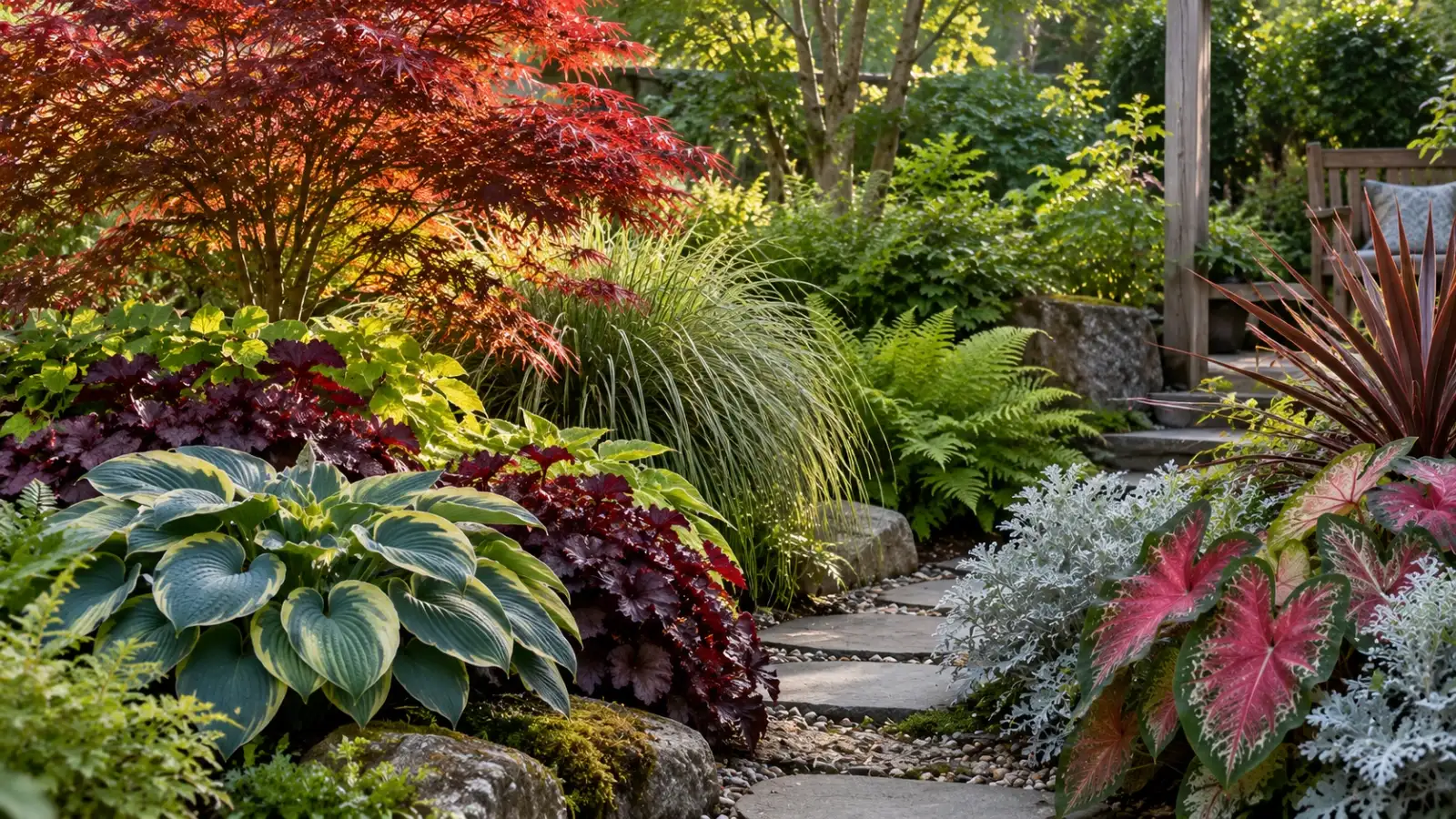
Choosing plants for their foliage can also make a garden feel more consistent. Flowers may appear for only a few weeks or months, but attractive leaves can remain part of the garden for much longer. This makes foliage plants particularly useful when you want an outdoor space that looks good between flowering seasons.
From bold tropical leaves to delicate grasses and colourful shrubs, here are 10 garden plants that can remain beautiful even without flowers.
Depending on the variety and season, the leaves can appear green, red, purple or orange. The fine texture creates a soft contrast against plants with larger leaves.
A Japanese maple can work well as a focal point in a garden. It is especially attractive when planted where its branching structure can be appreciated rather than hidden among dense vegetation.
The leaves can create strong texture in shady parts of the garden where many flowering plants struggle. Hostas are particularly useful for filling spaces beneath trees or around shaded borders.
Their flowers can be attractive, but the leaves remain the main reason many gardeners grow them.
The rounded leaves form compact clumps, making heuchera useful for borders, containers and smaller gardens. Different varieties can be combined to create contrast without relying on flowers.
Because the foliage is often the star of the plant, heuchera can continue adding visual interest even when flowering has finished.
There are many types to choose from, ranging from low-growing grasses to tall varieties that can create privacy or act as background plants.
They work particularly well when planted in groups. Their texture can also contrast beautifully with broad-leaved plants and shrubs.
Some ferns are evergreen in suitable climates, while others change with the seasons. Their detailed leaf structures make them interesting even without flowers.
Planting several varieties together can create layers of texture and make a shaded corner feel much more natural.
The leaves vary considerably between varieties, making coleus useful for creating bold colour combinations in containers and garden beds.
In warmer climates, it can provide strong visual interest for much of the growing season. Removing flower spikes is sometimes done by gardeners who want the plant to put more visual emphasis on its foliage.
Depending on the variety, foliage can be green, red, purple or striped. This makes cordyline useful when you want a plant that provides colour without depending on seasonal flowers.
It can work particularly well in contemporary gardens or tropical-style planting schemes.
Its compact form makes it useful for borders and containers. It can also help separate plants with stronger colours by providing a calmer visual transition.
Although it can produce flowers, many gardeners grow it primarily for its distinctive leaves.
They are particularly useful in warm climates and shaded areas, although their exact growing requirements depend on the variety and local conditions.
Because their leaves are so striking, caladiums can create a colourful display even when there are no flowers nearby.
It is particularly effective in partially shaded areas and can soften the edges of paths, borders or containers. The gently flowing leaves create movement even on calm days and add a relaxed woodland character.
Its shape makes it useful for gardens where texture is more important than bright flowers.
They also add different forms of visual interest. Large hosta leaves create bold shapes, ferns provide delicate textures, ornamental grasses add movement and colourful heuchera can introduce shades that flowers may not provide consistently.
Another advantage is that foliage plants can help create layers. Tall plants can form a backdrop, medium-sized shrubs can fill the middle of a border and low-growing foliage can cover the ground.
When choosing garden plants, consider how each one will look between flowering periods. A combination of green, silver, purple and variegated foliage can create a surprisingly colourful garden without depending entirely on flowers.
By mixing foliage shapes and heights, you can build a garden that continues to look interesting even when the last seasonal bloom has disappeared.
Choosing plants for their foliage can also make a garden feel more consistent. Flowers may appear for only a few weeks or months, but attractive leaves can remain part of the garden for much longer. This makes foliage plants particularly useful when you want an outdoor space that looks good between flowering seasons.
From bold tropical leaves to delicate grasses and colourful shrubs, here are 10 garden plants that can remain beautiful even without flowers.
1. Japanese Maple
Japanese maple is admired for its elegant shape and beautifully divided leaves. Although some varieties produce small flowers, the main attraction is usually the foliage.Depending on the variety and season, the leaves can appear green, red, purple or orange. The fine texture creates a soft contrast against plants with larger leaves.
A Japanese maple can work well as a focal point in a garden. It is especially attractive when planted where its branching structure can be appreciated rather than hidden among dense vegetation.
2. Hostas
Hostas are popular foliage plants because of their large, decorative leaves. They come in many forms, with foliage ranging from deep green to blue-green, yellow and variegated combinations.The leaves can create strong texture in shady parts of the garden where many flowering plants struggle. Hostas are particularly useful for filling spaces beneath trees or around shaded borders.
Their flowers can be attractive, but the leaves remain the main reason many gardeners grow them.
3. Heuchera
Heuchera is another excellent choice when colourful foliage is the priority. Its leaves can come in shades such as burgundy, bronze, lime green, silver and deep purple.The rounded leaves form compact clumps, making heuchera useful for borders, containers and smaller gardens. Different varieties can be combined to create contrast without relying on flowers.
Because the foliage is often the star of the plant, heuchera can continue adding visual interest even when flowering has finished.
4. Ornamental Grasses
Ornamental grasses can bring movement and texture to a garden even when they are not producing decorative seed heads. Their long, narrow leaves move gently with the wind and create a softer appearance.There are many types to choose from, ranging from low-growing grasses to tall varieties that can create privacy or act as background plants.
They work particularly well when planted in groups. Their texture can also contrast beautifully with broad-leaved plants and shrubs.
5. Ferns
Ferns are ideal for adding texture to shady gardens. Their delicate fronds can create a woodland feel and bring different shades of green into areas where colourful flowers may be difficult to grow.Some ferns are evergreen in suitable climates, while others change with the seasons. Their detailed leaf structures make them interesting even without flowers.
Planting several varieties together can create layers of texture and make a shaded corner feel much more natural.
6. Coleus
Coleus is grown mainly for its colourful leaves rather than its flowers. Its foliage can feature combinations of green, red, pink, burgundy, yellow and purple.The leaves vary considerably between varieties, making coleus useful for creating bold colour combinations in containers and garden beds.
In warmer climates, it can provide strong visual interest for much of the growing season. Removing flower spikes is sometimes done by gardeners who want the plant to put more visual emphasis on its foliage.
7. Cordyline
Cordylines can bring a strong architectural quality to a garden. Their long, sword-shaped leaves form upright clusters that can provide height and structure.Depending on the variety, foliage can be green, red, purple or striped. This makes cordyline useful when you want a plant that provides colour without depending on seasonal flowers.
It can work particularly well in contemporary gardens or tropical-style planting schemes.
8. Silver Dusty Miller
Dusty miller is valued for its silvery foliage, which creates a striking contrast with greener plants. The leaves have a soft, almost frosted appearance that can brighten planting beds.Its compact form makes it useful for borders and containers. It can also help separate plants with stronger colours by providing a calmer visual transition.
Although it can produce flowers, many gardeners grow it primarily for its distinctive leaves.
9. Caladium
Caladiums are grown for their dramatic leaves, which can display combinations of green, pink, red and white. Their heart-shaped foliage can instantly add colour to a garden.They are particularly useful in warm climates and shaded areas, although their exact growing requirements depend on the variety and local conditions.
Because their leaves are so striking, caladiums can create a colourful display even when there are no flowers nearby.
10. Japanese Forest Grass
Japanese forest grass is a graceful ornamental grass known for its arching foliage. Some varieties have green leaves, while others feature attractive yellow or variegated patterns.It is particularly effective in partially shaded areas and can soften the edges of paths, borders or containers. The gently flowing leaves create movement even on calm days and add a relaxed woodland character.
Its shape makes it useful for gardens where texture is more important than bright flowers.
Why Foliage Plants Matter in a Garden
A garden designed only around flowers can sometimes look bare when blooming seasons end. Foliage plants provide a more reliable foundation because their leaves can remain attractive for much longer.They also add different forms of visual interest. Large hosta leaves create bold shapes, ferns provide delicate textures, ornamental grasses add movement and colourful heuchera can introduce shades that flowers may not provide consistently.
Another advantage is that foliage plants can help create layers. Tall plants can form a backdrop, medium-sized shrubs can fill the middle of a border and low-growing foliage can cover the ground.
Create a Garden That Looks Good Beyond Flowering Season
You do not need a garden filled with colourful blooms to create an attractive outdoor space. Plants with unusual leaves, interesting shapes and strong textures can provide beauty throughout much of the year.When choosing garden plants, consider how each one will look between flowering periods. A combination of green, silver, purple and variegated foliage can create a surprisingly colourful garden without depending entirely on flowers.
By mixing foliage shapes and heights, you can build a garden that continues to look interesting even when the last seasonal bloom has disappeared.
Next Story