
Common Gardening Mistakes Beginners Should Avoid

Starting a garden can feel wonderfully simple. Buy a few plants, put them in attractive pots, water them regularly and wait for new leaves. Then reality arrives. One plant turns yellow, another wilts, soil develops mold and something that looked perfectly healthy at the nursery suddenly stops growing. Beginners often assume they simply lack a green thumb, but many gardening failures come from a handful of predictable mistakes. Plants have different needs for light, water, soil, space and temperature. Understanding those basics can save both money and frustration.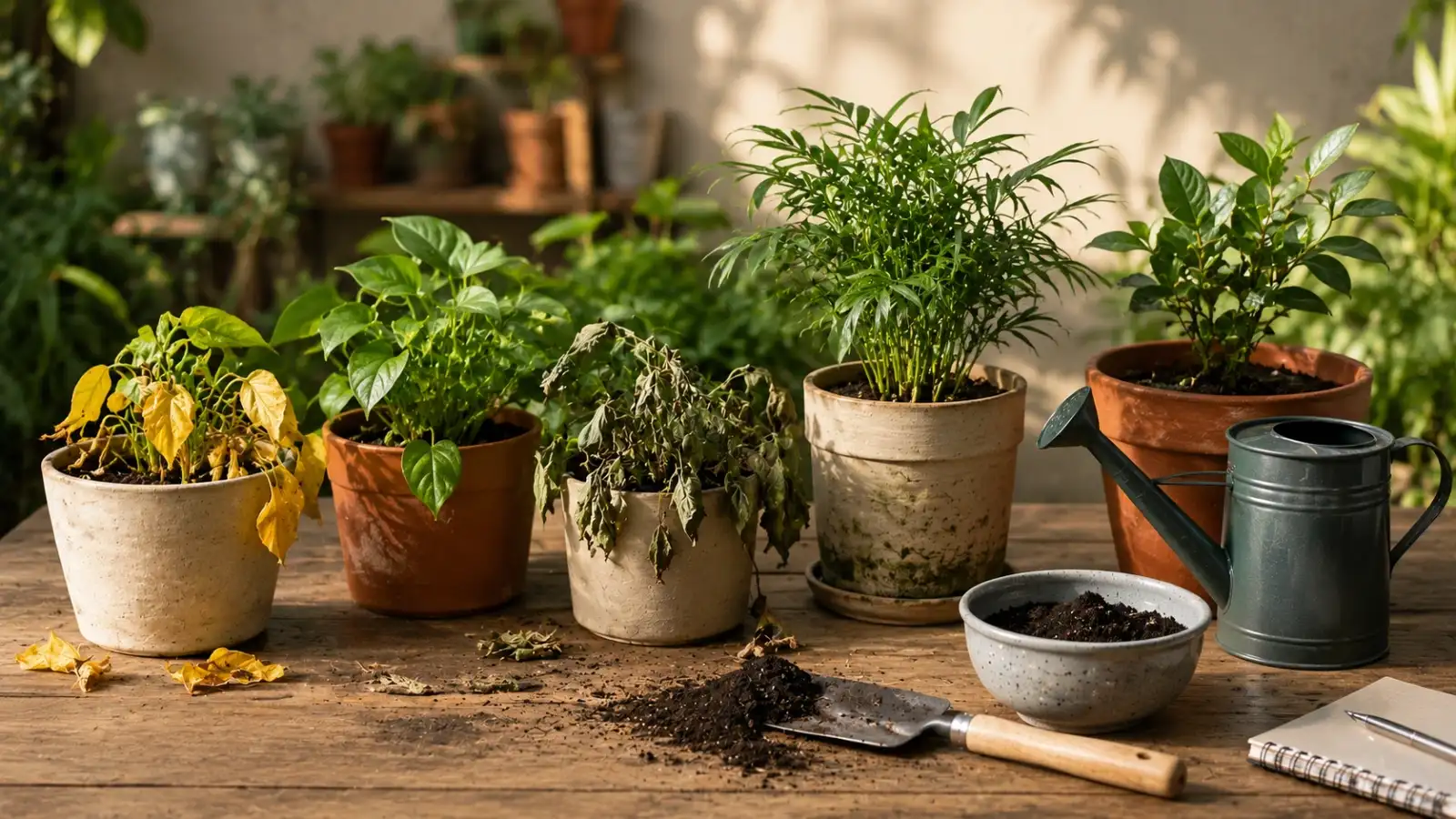
A plant may need water more frequently during hot weather and much less during cooler or rainy periods. Constantly wet soil can reduce the oxygen available around roots and encourage root problems.
Before watering, check the moisture several centimetres below the surface rather than relying only on how the soil looks.
Observe where sunlight falls throughout the day before deciding where a plant should live. A window that looks bright to your eyes may provide far less usable light than an outdoor position.
The planting depth should generally match the plant's existing root ball, unless the specific species requires something different.
Heavy soil that stays wet may suit some plants but can be disastrous for drought-tolerant varieties.
That constant intervention can create more stress rather than less.
Successful gardening is less about having perfect instincts and more about observing carefully. Check the soil, watch the light, understand the plant and make changes slowly. Once you stop treating every plant as if it needs the same routine, gardening becomes much easier. The most useful gardening skill is often not knowing exactly what to do, but noticing what your plants are trying to tell you.
Too Much Water Can Be Worse Than Too Little
One of the most common beginner mistakes is watering on a fixed schedule rather than checking the plant and soil.A plant may need water more frequently during hot weather and much less during cooler or rainy periods. Constantly wet soil can reduce the oxygen available around roots and encourage root problems.
Before watering, check the moisture several centimetres below the surface rather than relying only on how the soil looks.
Choosing the Wrong Light
A plant labelled as "indoor" does not necessarily mean it can survive in a dark corner. Many houseplants still require bright indirect light, while vegetables and flowering plants may need several hours of direct sunlight.You may also like
- Quote of the Day by John Locke," “Parents wonder why the streams are bitter, when they themselves....”
- When children leave home, parents can feel lost too: 5 signs of 'empty nest syndrome' and how to cope
- Who was Putri Andriani Juficha? Model and beauty queen dies at 25, death announced on her birthday
- This mutual fund turned an investment of ₹10 lakh into ₹1.25 crore in just 13 years..
Observe where sunlight falls throughout the day before deciding where a plant should live. A window that looks bright to your eyes may provide far less usable light than an outdoor position.
Planting Too Deeply
New gardeners sometimes bury a plant deeper than it was growing in its original container. This can place the stem or crown in constantly damp soil and create problems.The planting depth should generally match the plant's existing root ball, unless the specific species requires something different.
Ignoring Soil and Drainage
Beautiful pots are not necessarily good plant pots. Containers need adequate drainage, and different plants have different soil requirements.Heavy soil that stays wet may suit some plants but can be disastrous for drought-tolerant varieties.
Expecting Instant Results
Plants respond to their environment gradually. New gardeners often change location, water, fertiliser and pot size repeatedly when a plant does not improve within a few days.That constant intervention can create more stress rather than less.
Successful gardening is less about having perfect instincts and more about observing carefully. Check the soil, watch the light, understand the plant and make changes slowly. Once you stop treating every plant as if it needs the same routine, gardening becomes much easier. The most useful gardening skill is often not knowing exactly what to do, but noticing what your plants are trying to tell you.






Loving Newspoint? Download the app now
