
Top Halwa Recipes for Ashtami: Classic Indian Sweets for Puja & Celebration

Ashtami celebrations in India are synonymous with devotion, family gatherings, and, of course, sweets. Among all festive treats, halwa holds a special place, serving as prasad during pujas and a delight for everyone at the table. From traditional wheat flour versions to rich dry fruit creations, halwa recipes are versatile, symbolic, and steeped in nostalgia. Here’s a curated guide to some of the most cherished Ashtami halwa recipes that continue to charm generations.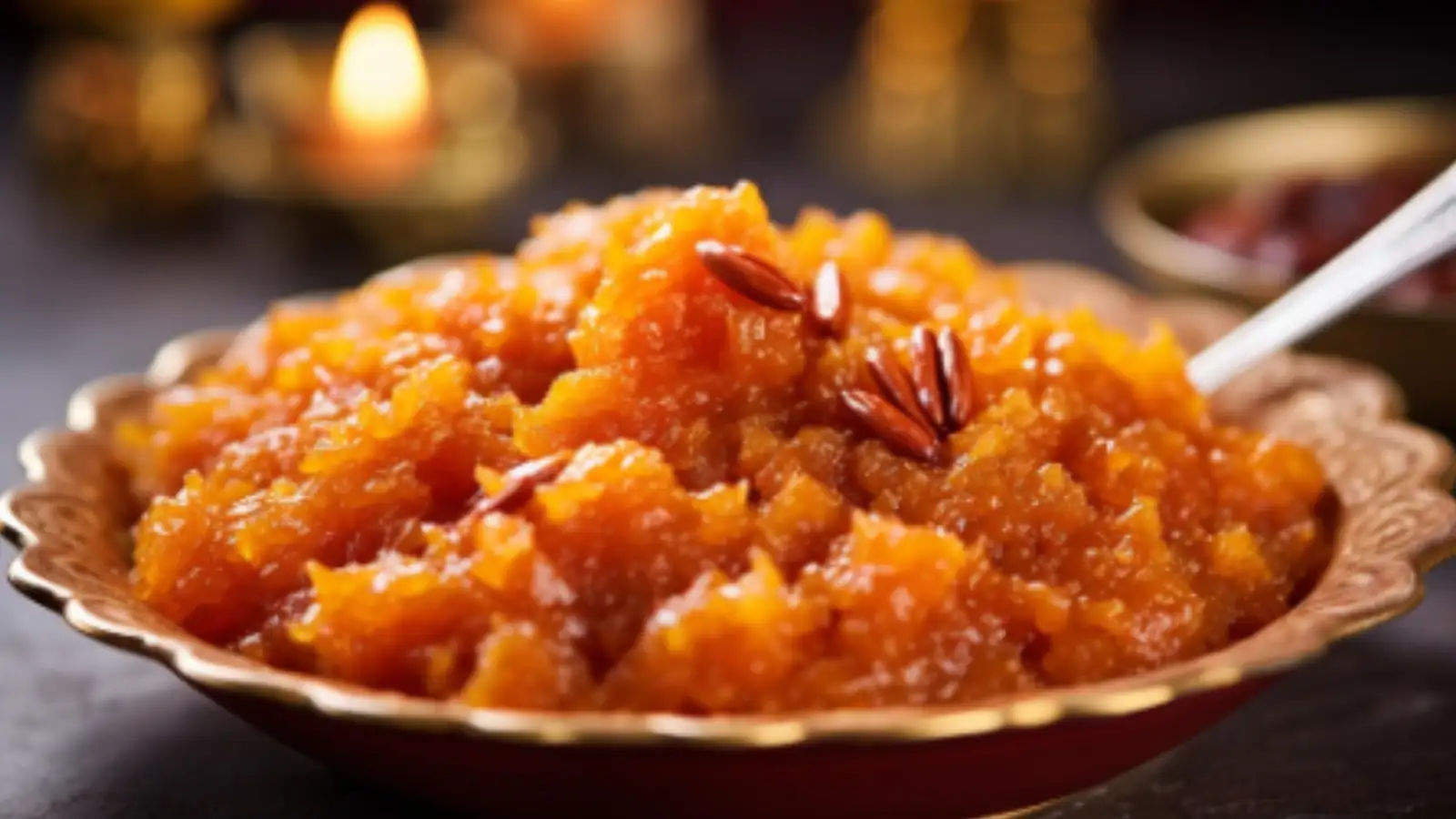
1. Sooji Halwa – The Classic Festival Favorite
Sooji Halwa, made with semolina, ghee, sugar, and water, is a simple yet indulgent treat. Roasting the semolina in ghee releases a comforting aroma, and garnishing with cardamom and dry fruits adds festive flair. Quick to prepare, it’s a staple across North Indian homes during Ashtami puja.
2. Atta Halwa – Nutty and Nourishing
Atta Halwa uses whole wheat flour, giving it a rich, earthy flavor. Slightly denser than sooji halwa, it pairs perfectly with puris and chana as part of traditional prasad. The roasted wheat taste combined with ghee and sugar provides a wholesome dish that embodies both celebration and nourishment.
3. Kada Prasad – Punjabi Sacred Halwa
Kada Prasad is a North Indian specialty, especially revered in Sikh and Punjabi households. Cooked with equal parts ghee, sugar, and flour, it results in a silky, melt-in-the-mouth texture. Often distributed in temples as sacred prasad, its balance of richness and sweetness makes it unforgettable.
4. Besan Halwa – Nutty and Flavorful
Besan Halwa, made from gram flour, ghee, and sugar, delivers a unique nutty flavor and fudgy texture. Popular during festive occasions, it stays fresh longer and can be enhanced with saffron or cardamom for an elevated taste. It’s a perfect choice for those looking to try a slightly different traditional halwa.
5. Moong Dal Halwa – Luxurious and Aromatic
Moong Dal Halwa is a decadent option, made from soaked, ground moong dal slow-cooked in ghee and sugar. Its grainy texture and rich aroma make it ideal for special occasions like Ashtami. Though elaborate, the end result is an indulgent dessert that reflects patience and love in its preparation.
6. Dry Fruit Halwa – Sweet and Nutritious
Dry Fruit Halwa combines chopped nuts, dates, and figs with ghee and sugar. Nutrient-rich and indulgent, it stands out for its chewy texture and natural sweetness. This halwa is not only delicious but also a wholesome option for festive prasad.
7. Carrot Halwa (Gajar Ka Halwa) – A Colorful Treat
Though typically a winter favorite, Carrot Halwa adds color and vibrancy to Ashtami celebrations. Grated carrots cooked in milk, sugar, and ghee create a rich, wholesome dessert. Its bright hue and indulgent taste make it a festive delight for both adults and children.
8. Chana Dal Halwa – Traditional and Flavorful
Chana Dal Halwa is made from split chickpeas, ghee, and sugar. Its dense, grainy texture pairs beautifully with cardamom, offering a deeply satisfying dessert for Ashtami. While slightly labor-intensive, this halwa is cherished for its traditional flavors and richness.
Ashtami is a festival of devotion and togetherness, and halwa plays a central role in its celebrations. Whether you prefer the quick simplicity of Sooji Halwa or the luxurious richness of Moong Dal Halwa, these recipes bring flavor, tradition, and joy to every household. Celebrate this Ashtami with these timeless halwa recipes and make your festive table truly special.
1. Sooji Halwa – The Classic Festival Favorite
Sooji Halwa, made with semolina, ghee, sugar, and water, is a simple yet indulgent treat. Roasting the semolina in ghee releases a comforting aroma, and garnishing with cardamom and dry fruits adds festive flair. Quick to prepare, it’s a staple across North Indian homes during Ashtami puja.
2. Atta Halwa – Nutty and Nourishing
Atta Halwa uses whole wheat flour, giving it a rich, earthy flavor. Slightly denser than sooji halwa, it pairs perfectly with puris and chana as part of traditional prasad. The roasted wheat taste combined with ghee and sugar provides a wholesome dish that embodies both celebration and nourishment.
3. Kada Prasad – Punjabi Sacred Halwa
Kada Prasad is a North Indian specialty, especially revered in Sikh and Punjabi households. Cooked with equal parts ghee, sugar, and flour, it results in a silky, melt-in-the-mouth texture. Often distributed in temples as sacred prasad, its balance of richness and sweetness makes it unforgettable.
4. Besan Halwa – Nutty and Flavorful
Besan Halwa, made from gram flour, ghee, and sugar, delivers a unique nutty flavor and fudgy texture. Popular during festive occasions, it stays fresh longer and can be enhanced with saffron or cardamom for an elevated taste. It’s a perfect choice for those looking to try a slightly different traditional halwa.
You may also like
- Woman Claims Pregnancy from Deceased Boyfriend's Sperm
- Female Plastic Surgeon Gets A Warm And Funny Welcome From Her Mother-In-Law After 50-Hour Duty
- Innocent Devotion: Little Girl Offers Toothbrush And Toothpaste To 'Mata Rani' On Navratri
- Effective Foods to Gain Weight Quickly
- काले धागे के उपाय: धन, किस्मत और स्वास्थ्य में सुधार के लिए
5. Moong Dal Halwa – Luxurious and Aromatic
Moong Dal Halwa is a decadent option, made from soaked, ground moong dal slow-cooked in ghee and sugar. Its grainy texture and rich aroma make it ideal for special occasions like Ashtami. Though elaborate, the end result is an indulgent dessert that reflects patience and love in its preparation.
6. Dry Fruit Halwa – Sweet and Nutritious
Dry Fruit Halwa combines chopped nuts, dates, and figs with ghee and sugar. Nutrient-rich and indulgent, it stands out for its chewy texture and natural sweetness. This halwa is not only delicious but also a wholesome option for festive prasad.
7. Carrot Halwa (Gajar Ka Halwa) – A Colorful Treat
Though typically a winter favorite, Carrot Halwa adds color and vibrancy to Ashtami celebrations. Grated carrots cooked in milk, sugar, and ghee create a rich, wholesome dessert. Its bright hue and indulgent taste make it a festive delight for both adults and children.
8. Chana Dal Halwa – Traditional and Flavorful
Chana Dal Halwa is made from split chickpeas, ghee, and sugar. Its dense, grainy texture pairs beautifully with cardamom, offering a deeply satisfying dessert for Ashtami. While slightly labor-intensive, this halwa is cherished for its traditional flavors and richness.
Ashtami is a festival of devotion and togetherness, and halwa plays a central role in its celebrations. Whether you prefer the quick simplicity of Sooji Halwa or the luxurious richness of Moong Dal Halwa, these recipes bring flavor, tradition, and joy to every household. Celebrate this Ashtami with these timeless halwa recipes and make your festive table truly special.






More from our partners


Loving Newspoint? Download the app now
