
7 Best Places Around the World to Discover Local Handicrafts

Travelling is not only about visiting famous landmarks, trying local food or taking photographs. It can also be a chance to discover traditional crafts that reflect the history, skills and everyday culture of a place. From handwoven textiles and pottery to intricate woodwork and leather goods, many destinations have thriving craft traditions that travellers can experience through markets, workshops and artisan neighbourhoods.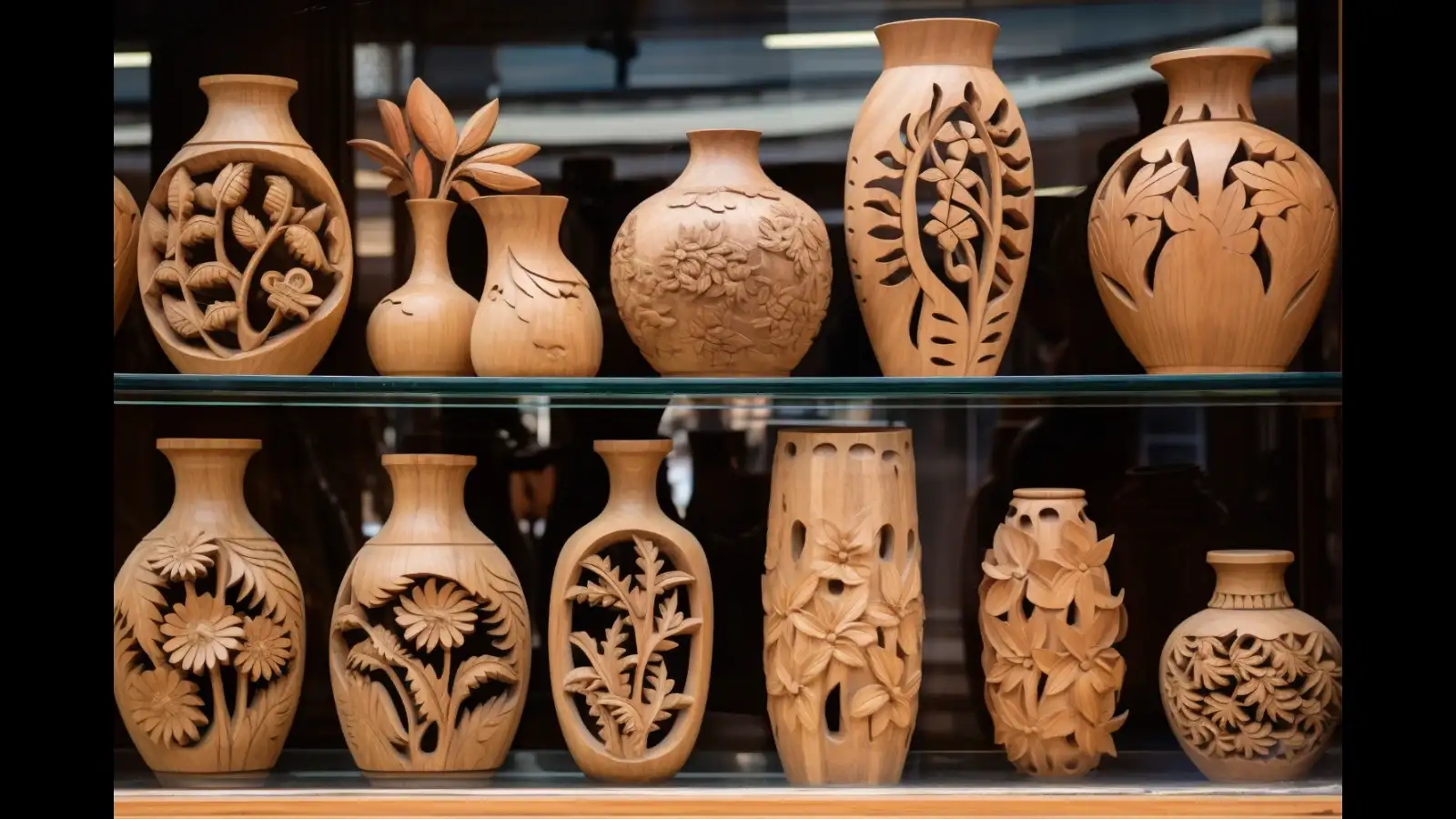
If you enjoy bringing home meaningful souvenirs rather than mass-produced products, these seven destinations offer plenty to explore.
One of Jaipur's most recognisable crafts is its blue pottery. Unlike conventional pottery made primarily from clay, Jaipur blue pottery uses a quartz-based material and is known for its distinctive blue and turquoise decoration. Artisans make items such as plates, vases, bowls, tiles and decorative pieces.
Travellers can also look for bandhej and leheriya textiles, jewellery and other Rajasthani handicrafts while exploring the city's traditional markets and craft areas.
The Nishijin district is particularly interesting for textile enthusiasts. It is associated with Nishijin-ori, a richly patterned textile traditionally woven with yarn-dyed threads. Visitors can explore textile-related workshops and demonstrations at places such as the Nishijin Textile Center.
Kyoto is also known for Kyo-yaki and Kiyomizu-yaki pottery, as well as Kyo-yuzen textile dyeing. These crafts make the city a rewarding stop for travellers interested in traditional Japanese design.
Different areas of the souks are associated with particular types of craftsmanship. Travellers can find leather goods, pottery, carpets, brass and copper work, lamps and other handmade products. The Moroccan National Tourist Office describes Marrakech as a major centre of Moroccan handicrafts, with artisans continuing to combine traditional techniques with contemporary designs.
The experience is not limited to shopping. Walking through the narrow market streets gives visitors an opportunity to see how craftsmanship remains part of everyday commercial life in the medina.
Among the best-known crafts are colourful carved wooden figures, often known as alebrijes, along with black pottery and traditional textiles. Craft traditions are found not only in Oaxaca City but also in surrounding communities.
UNESCO has highlighted the importance of protecting Oaxaca's living heritage and supporting artisans and communities through sustainable tourism initiatives. Recent programmes have included work with textile artisans and other traditional practitioners.
For travellers, visiting local workshops and community markets can provide a better understanding of the techniques behind the finished products.
Travellers interested in textiles can also explore traditional fabrics such as endek and the double-ikat textiles associated with Tenganan. The island is also known for silver craftsmanship, particularly in Celuk.
Ubud Art Market and Sukawati Art Market are among the places where visitors can browse a broad range of handmade products, although travellers should take time to compare items and ask about their materials and production.
For a more focused craft experience, the Arasta Bazaar near the Blue Mosque features traditional Turkish products such as carpets, textiles, ceramics and glassware.
Travellers interested in handmade pieces can spend time comparing designs and workmanship rather than making a quick purchase. This is especially useful for products such as carpets and ceramics, where quality and production methods can vary considerably.
The Moroccan National Tourist Office identifies Fez as an important centre for zellige, the intricate geometric mosaic tilework associated with Moroccan architecture. The city is also known for copperware and leather goods, with traditional tanneries forming part of its craft heritage.
Walking through the medina offers travellers a chance to see different crafts concentrated within a historic urban setting. Instead of simply looking for souvenirs, visitors can pay attention to the materials, patterns and techniques that make each craft distinctive.
When shopping, travellers can consider buying directly from artisans or reputable craft organisations where possible, asking about the material and production process, and avoiding products that are presented as handmade without clear information. This can make the souvenir more meaningful while helping visitors better appreciate the craft traditions they encounter.
From Jaipur's blue pottery and Kyoto's textiles to Marrakech's leatherwork and Bali's woodcarving, these destinations show how travel can become an opportunity to discover living traditions through the hands of local craftspeople.
If you enjoy bringing home meaningful souvenirs rather than mass-produced products, these seven destinations offer plenty to explore.
1. Jaipur, India: Blue Pottery, Textiles And Jewellery
Jaipur is one of the world's notable destinations for traditional crafts. The city's historic commercial areas continue to support local artisanal traditions, with crafts including jewellery, miniature paintings, stonework and textiles.One of Jaipur's most recognisable crafts is its blue pottery. Unlike conventional pottery made primarily from clay, Jaipur blue pottery uses a quartz-based material and is known for its distinctive blue and turquoise decoration. Artisans make items such as plates, vases, bowls, tiles and decorative pieces.
Travellers can also look for bandhej and leheriya textiles, jewellery and other Rajasthani handicrafts while exploring the city's traditional markets and craft areas.
2. Kyoto, Japan: Traditional Textiles And Pottery
Kyoto offers a fascinating look at Japanese craftsmanship, particularly in textiles, ceramics and lacquerware. The city has long been a centre of traditional arts, with techniques passed down through generations.The Nishijin district is particularly interesting for textile enthusiasts. It is associated with Nishijin-ori, a richly patterned textile traditionally woven with yarn-dyed threads. Visitors can explore textile-related workshops and demonstrations at places such as the Nishijin Textile Center.
Kyoto is also known for Kyo-yaki and Kiyomizu-yaki pottery, as well as Kyo-yuzen textile dyeing. These crafts make the city a rewarding stop for travellers interested in traditional Japanese design.
3. Marrakech, Morocco: Leather, Pottery And Metalwork
Marrakesh is a lively destination for discovering Moroccan handicrafts. Its historic medina is filled with souks where traditional crafts are displayed and sold.Different areas of the souks are associated with particular types of craftsmanship. Travellers can find leather goods, pottery, carpets, brass and copper work, lamps and other handmade products. The Moroccan National Tourist Office describes Marrakech as a major centre of Moroccan handicrafts, with artisans continuing to combine traditional techniques with contemporary designs.
The experience is not limited to shopping. Walking through the narrow market streets gives visitors an opportunity to see how craftsmanship remains part of everyday commercial life in the medina.
4. Oaxaca, Mexico: Pottery, Woodcarving And Textiles
Oaxaca de Juárez is another destination where traditional crafts are closely connected with local communities. The wider Oaxaca region is known for a variety of handmade traditions involving wood, clay, wool and other materials.Among the best-known crafts are colourful carved wooden figures, often known as alebrijes, along with black pottery and traditional textiles. Craft traditions are found not only in Oaxaca City but also in surrounding communities.
UNESCO has highlighted the importance of protecting Oaxaca's living heritage and supporting artisans and communities through sustainable tourism initiatives. Recent programmes have included work with textile artisans and other traditional practitioners.
For travellers, visiting local workshops and community markets can provide a better understanding of the techniques behind the finished products.
5. Ubud And Surrounding Areas, Bali: Woodcarving, Textiles And Silver
Bali has a strong tradition of decorative arts and handicrafts. Woodcarving is particularly associated with areas such as Mas, while Ubud is known for its artistic traditions. Balinese woodcarvings commonly feature floral, animal, mythical and religious motifs.Travellers interested in textiles can also explore traditional fabrics such as endek and the double-ikat textiles associated with Tenganan. The island is also known for silver craftsmanship, particularly in Celuk.
Ubud Art Market and Sukawati Art Market are among the places where visitors can browse a broad range of handmade products, although travellers should take time to compare items and ask about their materials and production.
6. Istanbul, Türkiye: Carpets, Ceramics And Textiles
Istanbul offers an impressive mix of historic markets and traditional Turkish crafts. The Grand Bazaar is one of the city's best-known shopping destinations, with thousands of shops selling products including carpets, textiles, jewellery and other traditional goods.You may also like
- Where dogs are worshipped, monkeys are served feast and cows wear flowers: Unusual animal festivals celebrated worldwide
- 30 lakh people registered for the PM Vishwakarma Yojana, and 6.18 lakh received loans..
- New Passport Rules: Getting a passport has become costlier; rules regarding children have also changed..
- PM Kisan Yojana 24th Installment Date: When will the 24th installment of the PM Kisan Yojana be released?
- Full Schedule Released for New Delhi-Darbhanga Special Train: A Gift for Those Heading Home for Chhath
For a more focused craft experience, the Arasta Bazaar near the Blue Mosque features traditional Turkish products such as carpets, textiles, ceramics and glassware.
Travellers interested in handmade pieces can spend time comparing designs and workmanship rather than making a quick purchase. This is especially useful for products such as carpets and ceramics, where quality and production methods can vary considerably.
7. Fez, Morocco: Leather, Zellige And Copperware
Fez is another destination worth exploring for traditional Moroccan craftsmanship. Its historic medina is home to souks and artisans working with leather, metal and other materials.The Moroccan National Tourist Office identifies Fez as an important centre for zellige, the intricate geometric mosaic tilework associated with Moroccan architecture. The city is also known for copperware and leather goods, with traditional tanneries forming part of its craft heritage.
Walking through the medina offers travellers a chance to see different crafts concentrated within a historic urban setting. Instead of simply looking for souvenirs, visitors can pay attention to the materials, patterns and techniques that make each craft distinctive.
Why Explore Local Handicrafts While Travelling?
Handicrafts can offer a more personal connection to a destination than standard souvenirs. A handwoven textile, ceramic piece or carved object can reflect techniques and cultural traditions that have developed over generations. UNESCO notes that traditional craftsmanship involves not only the finished objects but also the skills and knowledge needed to create them.When shopping, travellers can consider buying directly from artisans or reputable craft organisations where possible, asking about the material and production process, and avoiding products that are presented as handmade without clear information. This can make the souvenir more meaningful while helping visitors better appreciate the craft traditions they encounter.
From Jaipur's blue pottery and Kyoto's textiles to Marrakech's leatherwork and Bali's woodcarving, these destinations show how travel can become an opportunity to discover living traditions through the hands of local craftspeople.






Loving Newspoint? Download the app now
