
Egypt Holiday Guide: Famous Attractions You Should Not Miss

Egypt is a fascinating travel destination where ancient history, impressive monuments and beautiful natural landscapes come together. From the legendary pyramids of Giza to the temples along the Nile River, the country offers plenty of experiences for history enthusiasts, culture lovers and adventure seekers.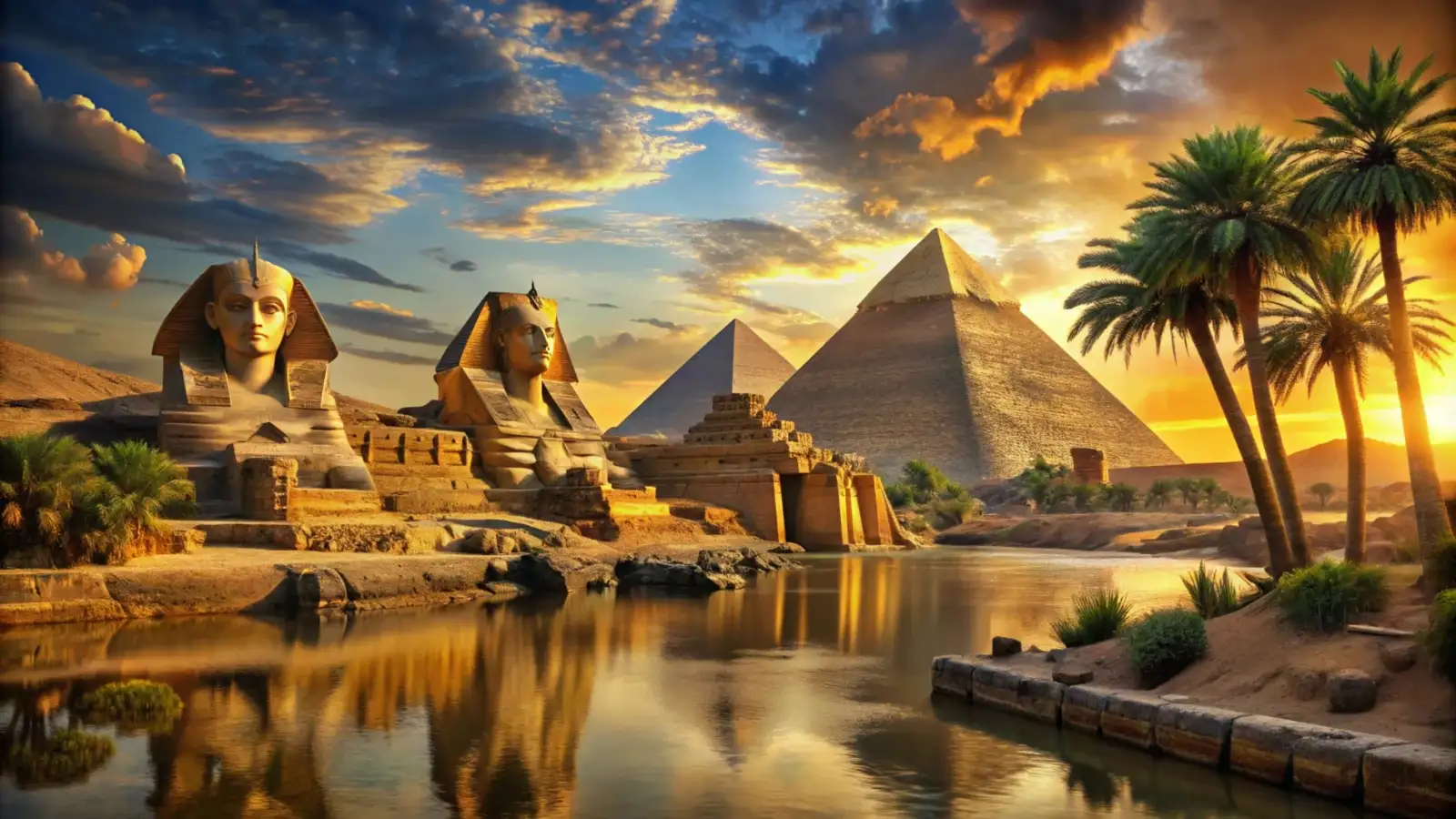
Whether you are planning a short holiday or an extended journey, Egypt has several attractions worth adding to your itinerary. Here are some of the most popular places to visit on your trip.
The Great Pyramid of Khufu is the largest of the three and one of the Seven Wonders of the Ancient World. Visitors can admire the enormous stone structures, explore selected interior passages where access is available and enjoy views of the surrounding desert.
The nearby Great Sphinx, with its lion's body and human head, is another major attraction. Visiting the pyramids early in the morning can help travellers avoid some of the heat and crowds.
The museum houses a significant collection of ancient statues, jewellery, coffins, papyri and other archaeological objects. Its exhibits help visitors understand the lives, beliefs and traditions of ancient Egyptians.
Travellers should also consider visiting the Grand Egyptian Museum near the Giza Pyramids. This major museum complex showcases an extensive collection of ancient Egyptian artefacts, including objects associated with King Tutankhamun. Checking current exhibitions and ticket availability before visiting is advisable.
One of its most significant attractions is the Valley of the Kings, where many pharaohs of the New Kingdom were buried. The tombs feature decorated walls, colourful paintings and inscriptions that provide insights into ancient Egyptian beliefs about the afterlife.
Visitors can also explore the nearby Temple of Hatshepsut, dedicated to one of Egypt's most notable female rulers. The impressive structure, built against a dramatic limestone landscape, is particularly appealing to architecture and history enthusiasts.
The Great Hypostyle Hall is among its most striking features. Its enormous columns, many decorated with detailed hieroglyphics, create an impressive setting for photography and exploration.
The complex was dedicated primarily to the god Amun-Ra, along with other deities. Travellers can spend several hours exploring its different sections and learning about the religious practices of ancient Egypt.
Commissioned by Pharaoh Ramesses II, the two temples were carved into a mountainside. The main temple features four colossal statues of the pharaoh at its entrance, while the smaller temple is dedicated to Queen Nefertari and the goddess Hathor.
One of the most remarkable aspects of Abu Simbel is its relocation in the 1960s to protect it from rising waters following the construction of the Aswan High Dam. Today, the site remains a major attraction for visitors interested in Egyptian history and engineering.
Abu Simbel can be visited from Aswan through organised road excursions or by other available transport options.
Visitors can take a traditional felucca boat ride to enjoy the Nile's landscapes, explore the colourful Nubian villages or visit the Philae Temple, which is dedicated to the goddess Isis.
The Aswan High Dam is another important landmark that demonstrates the role of modern engineering in Egypt's development. Travellers can also explore the Unfinished Obelisk to learn about the stone-working techniques used by ancient Egyptian craftsmen.
A stay in Aswan can be a pleasant addition to an itinerary covering Luxor and Abu Simbel.
Many cruise itineraries connect Luxor and Aswan, with stops at attractions such as Edfu Temple and Kom Ombo Temple. These sites provide further opportunities to discover ancient Egyptian architecture, religious traditions and historical inscriptions.
Cruises range from comfortable multi-day journeys to more luxurious experiences. Travellers should compare the itinerary, included excursions, accommodation and meal arrangements before booking.
The best choice depends on the available time and budget.
Sharm El Sheikh is known for its clear waters, coral reefs and opportunities for snorkelling and scuba diving. The nearby Ras Mohammed National Park is particularly popular for exploring marine ecosystems and underwater landscapes.
Visitors who prefer to stay on land can enjoy beach resorts, boat trips and desert excursions. The destination is also suitable for travellers who want to combine historical sightseeing with a relaxing coastal holiday.
Water activities should be booked with reputable operators who follow appropriate safety practices and environmental guidelines.
Visitors can explore the historic Shali Fortress, discover traditional Siwan architecture and enjoy the scenery around the oasis. The area is also known for its natural springs and salt lakes.
Siwa is located far from Cairo and other major attractions, so travellers should allow sufficient time for the journey. It is particularly suitable for those who enjoy less crowded destinations and want to experience a different side of Egypt.
The market's narrow lanes are lined with shops selling souvenirs, traditional handicrafts, jewellery, spices, textiles and decorative items. Visitors can browse the stalls, observe local trading traditions and stop at cafés serving traditional refreshments.
The bazaar is also a good place to experience the atmosphere of historic Cairo. Bargaining may be part of shopping at some stalls, so checking prices at different shops can help travellers make informed purchases.
Visitors should keep their belongings secure, particularly in crowded areas.
Whether you are planning a short holiday or an extended journey, Egypt has several attractions worth adding to your itinerary. Here are some of the most popular places to visit on your trip.
1. Pyramids of Giza
The Pyramids of Giza are among Egypt's most famous landmarks and a must-visit destination for first-time travellers. Located near Cairo, the complex features three major pyramids built for the pharaohs Khufu, Khafre and Menkaure.The Great Pyramid of Khufu is the largest of the three and one of the Seven Wonders of the Ancient World. Visitors can admire the enormous stone structures, explore selected interior passages where access is available and enjoy views of the surrounding desert.
The nearby Great Sphinx, with its lion's body and human head, is another major attraction. Visiting the pyramids early in the morning can help travellers avoid some of the heat and crowds.
2. Egyptian Museum in Cairo
For travellers interested in ancient Egyptian civilisation, the Egyptian Museum in Cairo offers an opportunity to discover artefacts from thousands of years of history.The museum houses a significant collection of ancient statues, jewellery, coffins, papyri and other archaeological objects. Its exhibits help visitors understand the lives, beliefs and traditions of ancient Egyptians.
Travellers should also consider visiting the Grand Egyptian Museum near the Giza Pyramids. This major museum complex showcases an extensive collection of ancient Egyptian artefacts, including objects associated with King Tutankhamun. Checking current exhibitions and ticket availability before visiting is advisable.
3. Luxor and the Valley of the Kings
Luxor is often described as an open-air museum because of its remarkable collection of ancient temples, tombs and archaeological sites. Situated along the Nile, the city is an essential stop for travellers exploring Egypt's ancient past.One of its most significant attractions is the Valley of the Kings, where many pharaohs of the New Kingdom were buried. The tombs feature decorated walls, colourful paintings and inscriptions that provide insights into ancient Egyptian beliefs about the afterlife.
Visitors can also explore the nearby Temple of Hatshepsut, dedicated to one of Egypt's most notable female rulers. The impressive structure, built against a dramatic limestone landscape, is particularly appealing to architecture and history enthusiasts.
4. Karnak Temple Complex
Located in Luxor, the Karnak Temple Complex is one of the largest religious sites of the ancient world. Built and expanded over many centuries, it contains temples, chapels, monumental gateways and towering columns.The Great Hypostyle Hall is among its most striking features. Its enormous columns, many decorated with detailed hieroglyphics, create an impressive setting for photography and exploration.
The complex was dedicated primarily to the god Amun-Ra, along with other deities. Travellers can spend several hours exploring its different sections and learning about the religious practices of ancient Egypt.
5. Abu Simbel Temples
The Abu Simbel temples, located in southern Egypt near Lake Nasser, are famous for their enormous rock-cut statues and remarkable ancient engineering.Commissioned by Pharaoh Ramesses II, the two temples were carved into a mountainside. The main temple features four colossal statues of the pharaoh at its entrance, while the smaller temple is dedicated to Queen Nefertari and the goddess Hathor.
One of the most remarkable aspects of Abu Simbel is its relocation in the 1960s to protect it from rising waters following the construction of the Aswan High Dam. Today, the site remains a major attraction for visitors interested in Egyptian history and engineering.
Abu Simbel can be visited from Aswan through organised road excursions or by other available transport options.
6. Aswan and the Nile River
Aswan offers a more relaxed atmosphere than some of Egypt's busier tourist destinations. Situated along the Nile River, the city is known for its scenic river views, traditional Nubian culture and historic attractions.Visitors can take a traditional felucca boat ride to enjoy the Nile's landscapes, explore the colourful Nubian villages or visit the Philae Temple, which is dedicated to the goddess Isis.
The Aswan High Dam is another important landmark that demonstrates the role of modern engineering in Egypt's development. Travellers can also explore the Unfinished Obelisk to learn about the stone-working techniques used by ancient Egyptian craftsmen.
A stay in Aswan can be a pleasant addition to an itinerary covering Luxor and Abu Simbel.
7. Nile River Cruise
A Nile River cruise offers a different way to experience Egypt. Rather than travelling between destinations entirely by road, visitors can enjoy the river scenery while moving between historic towns and archaeological sites.Many cruise itineraries connect Luxor and Aswan, with stops at attractions such as Edfu Temple and Kom Ombo Temple. These sites provide further opportunities to discover ancient Egyptian architecture, religious traditions and historical inscriptions.
Cruises range from comfortable multi-day journeys to more luxurious experiences. Travellers should compare the itinerary, included excursions, accommodation and meal arrangements before booking.
The best choice depends on the available time and budget.
8. Sharm El Sheikh and the Red Sea
Egypt is not only about ancient monuments. Its Red Sea coastline is also popular among travellers seeking beaches, marine life and water-based activities.Sharm El Sheikh is known for its clear waters, coral reefs and opportunities for snorkelling and scuba diving. The nearby Ras Mohammed National Park is particularly popular for exploring marine ecosystems and underwater landscapes.
Visitors who prefer to stay on land can enjoy beach resorts, boat trips and desert excursions. The destination is also suitable for travellers who want to combine historical sightseeing with a relaxing coastal holiday.
Water activities should be booked with reputable operators who follow appropriate safety practices and environmental guidelines.
9. Siwa Oasis
For a quieter experience away from Egypt's major tourist centres, consider visiting Siwa Oasis in the Western Desert. Known for its palm groves, salt lakes and desert landscapes, Siwa offers a distinctive combination of nature and local culture.Visitors can explore the historic Shali Fortress, discover traditional Siwan architecture and enjoy the scenery around the oasis. The area is also known for its natural springs and salt lakes.
Siwa is located far from Cairo and other major attractions, so travellers should allow sufficient time for the journey. It is particularly suitable for those who enjoy less crowded destinations and want to experience a different side of Egypt.
10. Khan el-Khalili Bazaar
Travellers looking to experience Cairo's lively market culture should visit Khan el-Khalili, a historic bazaar in the city's old quarter.The market's narrow lanes are lined with shops selling souvenirs, traditional handicrafts, jewellery, spices, textiles and decorative items. Visitors can browse the stalls, observe local trading traditions and stop at cafés serving traditional refreshments.
The bazaar is also a good place to experience the atmosphere of historic Cairo. Bargaining may be part of shopping at some stalls, so checking prices at different shops can help travellers make informed purchases.
Visitors should keep their belongings secure, particularly in crowded areas.
Tips for Planning Your Egypt Trip
A little preparation can make travelling around Egypt more comfortable and convenient.- Choose the right season: The cooler months, generally from October to April, are popular for sightseeing. Temperatures can be particularly high during summer, especially in desert regions.
- Plan your route: Cairo, Giza, Luxor and Aswan are good starting points for a first trip. Add Red Sea resorts or Siwa Oasis if you have more time.
- Wear comfortable clothing: Lightweight, breathable clothing, comfortable walking shoes, sunglasses and sun protection are useful for outdoor sightseeing.
- Check entry requirements: Indian travellers should verify the latest Egyptian visa requirements, passport validity rules and entry conditions before departure.
- Arrange transport in advance: Domestic flights, trains, private transfers and organised excursions can help you cover long distances between attractions.
- Respect local customs: Dress appropriately when visiting religious sites and ask permission before photographing people.
- Check opening hours: Museum timings, archaeological site access and ticket rules can change, so confirm the latest details before visiting.
Next Story