
How to Plan a Budget Holiday Around Free Things to Do

Travelling does not always have to involve expensive entrance tickets, organised tours or costly experiences. Many destinations around the world offer plenty of things to see and do without an admission fee. Public parks, historic streets , beaches, markets, viewpoints, walking routes and cultural spaces can all become part of a memorable holiday.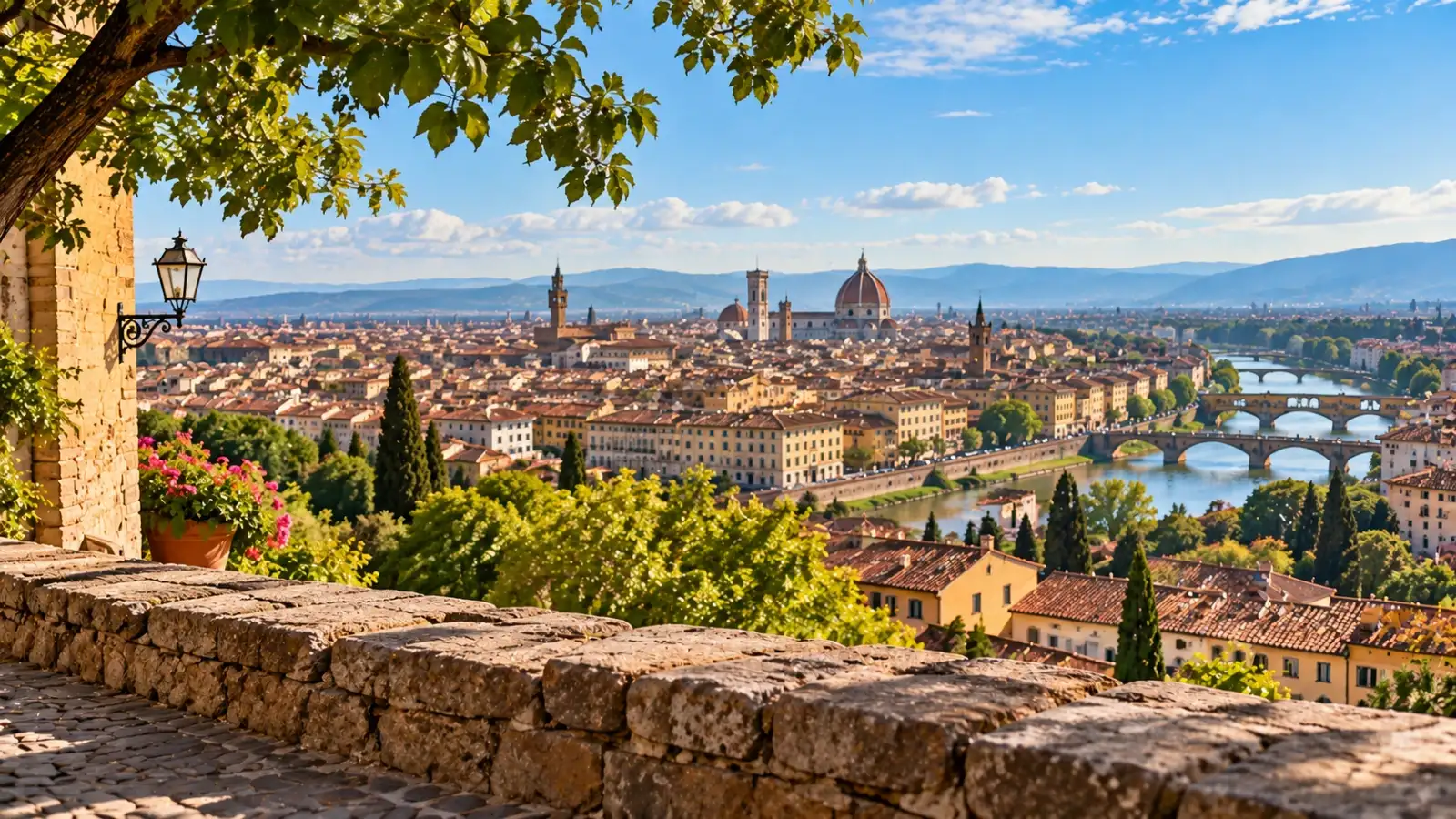
Planning a trip around free attractions can be especially useful when you are travelling on a limited budget. Instead of choosing a destination first and adding expensive activities afterwards, you can reverse the process. Find out what is free, build your daily plans around those places and then decide where paid experiences are actually worth the money.
Before travelling, make a list of areas that are close to one another. This allows you to visit several free attractions in one outing rather than spending money on transport between separate locations.
You can plan a relaxed morning around a park and combine it with nearby neighbourhoods or markets. Carrying your own water and a packed snack can also help keep daily spending under control.
Check the official opening information before visiting because free admission policies can change. If reservations are required, book ahead rather than assuming you can simply walk in.
Spend time walking rather than rushing from one attraction to another. You may discover small architectural details, local shops, street performers and everyday scenes that are not found in a typical sightseeing itinerary.
Try visiting at different times of day. A viewpoint that looks ordinary in the afternoon may become particularly attractive around sunset. Arriving early can also help you avoid busy periods.
Inland destinations may offer public forests, lakes, riverside paths and nature trails. Always check local rules before swimming, hiking or entering protected areas.
Check local event calendars before travelling and again after arriving. Dates and locations can change, so it is useful to confirm details shortly before attending.
Walk through food markets, craft markets and weekend markets to see local produce, handmade goods and traditional products. You do not need to purchase anything to enjoy the atmosphere, although setting a small shopping budget can make the experience more enjoyable.
This reduces transport costs and saves time. It also leaves more room for unexpected discoveries because you are not constantly travelling between different parts of the destination.
You might choose one paid museum, a special meal, a boat trip or a guided tour. Because most of the day's activities are free, that one purchase can feel more worthwhile without pushing the overall holiday budget too high.
It can also make a trip feel less rushed. You have more freedom to sit in a park, walk along a waterfront, explore a neighbourhood or return to a favourite viewpoint without worrying about another ticket.
A little research before leaving home can reveal just how much a destination offers for free. With sensible planning, free attractions can become more than ways to save money. They can form the foundation of a holiday that feels relaxed, local and genuinely rewarding.
Planning a trip around free attractions can be especially useful when you are travelling on a limited budget. Instead of choosing a destination first and adding expensive activities afterwards, you can reverse the process. Find out what is free, build your daily plans around those places and then decide where paid experiences are actually worth the money.
1. Start With Free Walking Routes
Walking is one of the simplest ways to explore a new destination without spending money. Many cities have historic neighbourhoods, colourful streets, waterfront promenades and interesting public squares that can be explored on foot.Before travelling, make a list of areas that are close to one another. This allows you to visit several free attractions in one outing rather than spending money on transport between separate locations.
2. Build Days Around Public Parks
Public parks can become surprisingly important parts of a budget holiday. Large city parks may contain gardens, lakes, monuments, walking paths and impressive viewpoints.You can plan a relaxed morning around a park and combine it with nearby neighbourhoods or markets. Carrying your own water and a packed snack can also help keep daily spending under control.
3. Look for Free Museums and Galleries
Some museums and galleries offer completely free entry, while others have particular days or hours when visitors can enter without paying. These opportunities can make a major difference to a travel budget.Check the official opening information before visiting because free admission policies can change. If reservations are required, book ahead rather than assuming you can simply walk in.
4. Explore Historic Streets and Public Squares
Some of the most memorable travel experiences happen outside traditional attractions. Old streets, public squares, historic buildings and traditional neighbourhoods can provide an excellent introduction to a destination.Spend time walking rather than rushing from one attraction to another. You may discover small architectural details, local shops, street performers and everyday scenes that are not found in a typical sightseeing itinerary.
5. Plan Around Free Viewpoints
A good viewpoint can be one of the best free attractions in a city or natural destination. Look for public hills, bridges, waterfront areas, promenades and open terraces that provide views without an entrance fee.Try visiting at different times of day. A viewpoint that looks ordinary in the afternoon may become particularly attractive around sunset. Arriving early can also help you avoid busy periods.
6. Include Beaches and Natural Spaces
If you are visiting a coastal destination, beaches can provide an entire day of entertainment without requiring an expensive ticket. Swimming, walking, photography and watching the sunset can all become part of your itinerary.Inland destinations may offer public forests, lakes, riverside paths and nature trails. Always check local rules before swimming, hiking or entering protected areas.
7. Search for Free Local Events
Free events can give your holiday a stronger connection with local culture. Outdoor concerts, public performances, festivals, community markets and cultural celebrations are sometimes open to everyone.Check local event calendars before travelling and again after arriving. Dates and locations can change, so it is useful to confirm details shortly before attending.
8. Use Markets as Cultural Attractions
A local market does not have to be somewhere you visit only to buy food or souvenirs. Markets can also be fascinating places to observe everyday life.Walk through food markets, craft markets and weekend markets to see local produce, handmade goods and traditional products. You do not need to purchase anything to enjoy the atmosphere, although setting a small shopping budget can make the experience more enjoyable.
9. Group Free Attractions by Location
One of the smartest ways to plan a budget holiday is to group attractions according to their location. Instead of creating a list of ten places scattered across a city, identify which ones are within walking distance of one another.This reduces transport costs and saves time. It also leaves more room for unexpected discoveries because you are not constantly travelling between different parts of the destination.
10. Save Your Budget for One Special Experience
A holiday built around free attractions does not mean you have to avoid spending money completely. In fact, saving money on sightseeing can allow you to spend more carefully on one experience that matters to you.You might choose one paid museum, a special meal, a boat trip or a guided tour. Because most of the day's activities are free, that one purchase can feel more worthwhile without pushing the overall holiday budget too high.
Make Free Attractions the Centre of the Trip
The biggest advantage of planning around free attractions is that it changes the way you think about travel. Instead of measuring a destination by the number of expensive attractions you can visit, you begin to notice its streets, parks, public spaces, landscapes and everyday culture.It can also make a trip feel less rushed. You have more freedom to sit in a park, walk along a waterfront, explore a neighbourhood or return to a favourite viewpoint without worrying about another ticket.
A little research before leaving home can reveal just how much a destination offers for free. With sensible planning, free attractions can become more than ways to save money. They can form the foundation of a holiday that feels relaxed, local and genuinely rewarding.
Next Story