
10 Common Indoor Plants That Could Be Toxic To Cats and Dogs

Houseplants can make homes look greener, fresher and more inviting, but not every plant is safe for pets. Cats and dogs are naturally curious and may chew leaves, flowers or stems while exploring their surroundings. Unfortunately, some popular indoor plants contain substances that can cause irritation, vomiting and other health problems if eaten. Even plants commonly used for decoration may pose a risk to curious animals. If you share your home with a pet, it is important to understand which plants require extra care. Here are 10 common household plants whose toxicity pet owners should check before bringing them indoors.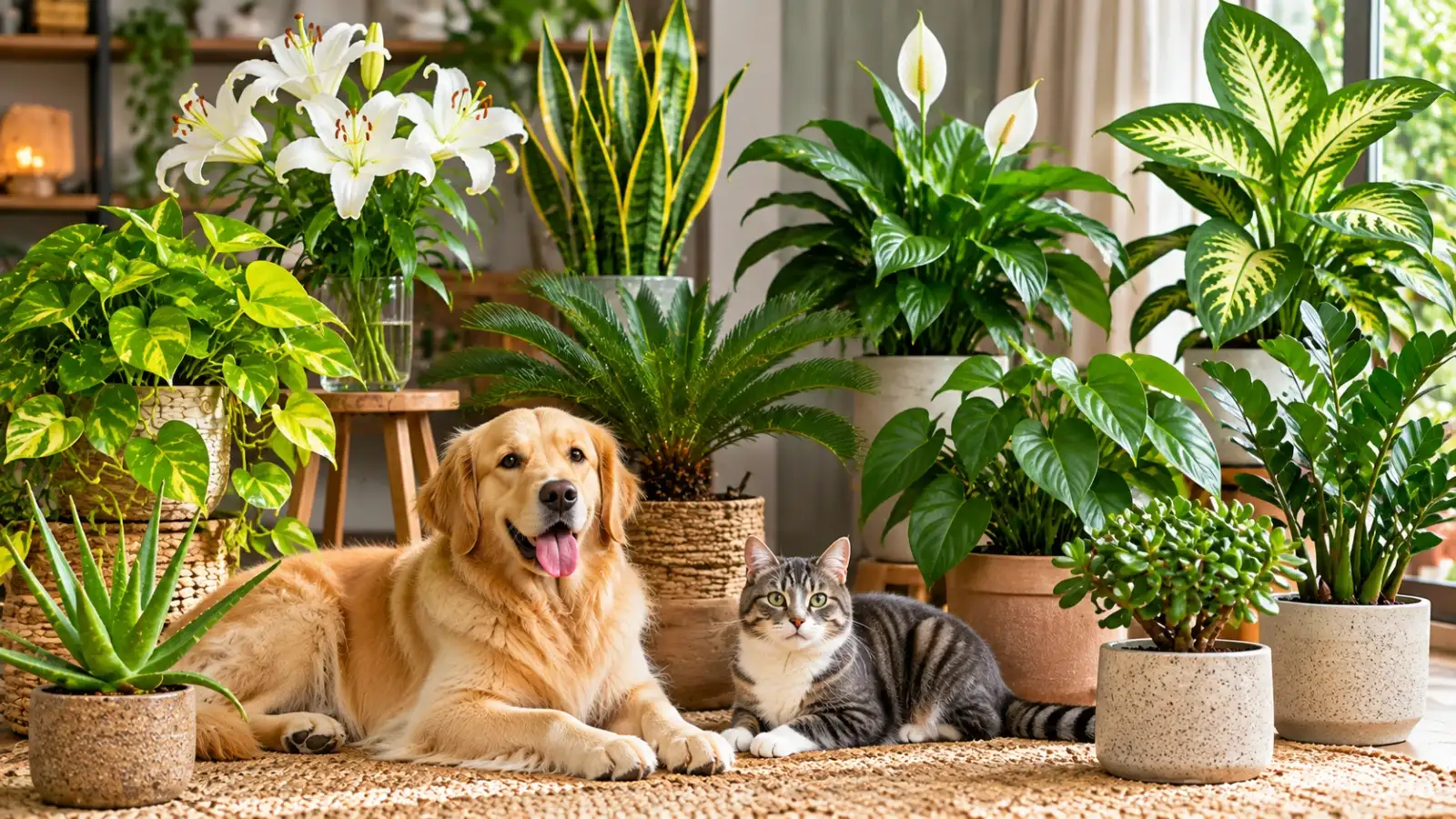
All parts of these plants can be dangerous, including the flowers, leaves, stems and pollen. Even drinking water from a vase containing true lilies may pose a risk. Cat owners should avoid keeping these lilies at home.
Dogs and cats may experience vomiting, diarrhoea, lethargy and changes in urine colour after eating aloe vera. Keep the plant somewhere pets cannot reach, particularly if they have a habit of chewing leaves.
If a cat or dog chews its leaves or stems, these crystals can irritate the mouth and throat. Symptoms may include excessive drooling, pawing at the mouth, vomiting and difficulty swallowing.
If swallowed, the plant may lead to nausea, vomiting and diarrhoea. Although serious poisoning is less common, it is better to keep snake plants away from animals that frequently chew greenery.
Possible symptoms include intense mouth discomfort, drooling, swelling of the tongue and difficulty swallowing. In some cases, irritation can affect breathing and requires urgent veterinary attention.
Cats and dogs that chew this plant may experience drooling, vomiting, mouth pain and difficulty swallowing. Unlike true lilies, peace lilies do not typically cause kidney failure in cats, but they should still be kept away from pets.
Eating even a small amount can cause vomiting, diarrhoea, liver damage, seizures and potentially life-threatening complications. If you have pets, avoiding this plant altogether is the safest option.
Chewing their leaves or stems can cause mouth irritation, excessive drooling, vomiting and difficulty swallowing. Hanging the plant may reduce access, but curious cats can still reach trailing leaves.
Ingestion may cause vomiting, lethargy, depression and a loss of coordination. The exact toxic substance responsible has not been clearly established, so pet owners should avoid allowing animals to chew the leaves or stems.
Pets may develop drooling, vomiting, mouth discomfort and difficulty swallowing. Keeping the plant in an inaccessible location can help prevent accidental exposure.
If possible, identify the plant and take a photograph or keep a sample for identification. Do not attempt to induce vomiting or give home remedies unless a veterinarian specifically instructs you to do so.
Household plants can add natural beauty to indoor spaces, but some popular varieties may pose serious risks to cats and dogs. Lilies, sago palms, pothos and several other decorative plants deserve particular attention. Before introducing a new plant into your home, check its toxicity and consider safer alternatives. A little research and a few precautions can help create a greener living space without compromising your pet's safety.
1. Lilies
Lilies are among the most dangerous household plants for cats. Certain true lilies, including Easter lilies, tiger lilies and Asiatic lilies, can cause severe kidney damage in cats, even when relatively small amounts are ingested.All parts of these plants can be dangerous, including the flowers, leaves, stems and pollen. Even drinking water from a vase containing true lilies may pose a risk. Cat owners should avoid keeping these lilies at home.
2. Aloe Vera
Aloe vera is popular for its easy maintenance and traditional use in skincare. However, it contains compounds called saponins and anthraquinones that can cause problems if pets chew the plant.Dogs and cats may experience vomiting, diarrhoea, lethargy and changes in urine colour after eating aloe vera. Keep the plant somewhere pets cannot reach, particularly if they have a habit of chewing leaves.
3. Pothos or Money Plant
Pothos, commonly known as money plant, is a popular indoor choice because it grows easily and requires relatively little maintenance. However, it contains insoluble calcium oxalate crystals.If a cat or dog chews its leaves or stems, these crystals can irritate the mouth and throat. Symptoms may include excessive drooling, pawing at the mouth, vomiting and difficulty swallowing.
4. Snake Plant
Snake plants are widely used in homes because of their upright leaves and ability to tolerate different indoor conditions. Despite their popularity, they contain saponins that can cause digestive discomfort in pets.If swallowed, the plant may lead to nausea, vomiting and diarrhoea. Although serious poisoning is less common, it is better to keep snake plants away from animals that frequently chew greenery.
5. Dieffenbachia
Dieffenbachia, also called dumb cane, is known for its large patterned leaves. It contains insoluble calcium oxalate crystals that can cause immediate irritation when a pet bites into the plant.Possible symptoms include intense mouth discomfort, drooling, swelling of the tongue and difficulty swallowing. In some cases, irritation can affect breathing and requires urgent veterinary attention.
6. Peace Lily
Peace lilies are popular indoor plants because of their elegant white flowers and attractive green leaves. However, they contain insoluble calcium oxalate crystals that can irritate a pet's mouth and digestive system.Cats and dogs that chew this plant may experience drooling, vomiting, mouth pain and difficulty swallowing. Unlike true lilies, peace lilies do not typically cause kidney failure in cats, but they should still be kept away from pets.
7. Sago Palm
Sago palms are attractive ornamental plants, but they are extremely toxic to both cats and dogs. All parts of the plant contain toxins, particularly the seeds, which carry high concentrations of cycasin.Eating even a small amount can cause vomiting, diarrhoea, liver damage, seizures and potentially life-threatening complications. If you have pets, avoiding this plant altogether is the safest option.
8. Philodendron
Philodendrons are commonly grown indoors because they are easy to maintain and have attractive foliage. However, like pothos, they contain insoluble calcium oxalate crystals.Chewing their leaves or stems can cause mouth irritation, excessive drooling, vomiting and difficulty swallowing. Hanging the plant may reduce access, but curious cats can still reach trailing leaves.
9. Jade Plant
Jade plants are popular succulents often associated with good luck and prosperity. Despite their attractive appearance, they can be toxic to cats and dogs.Ingestion may cause vomiting, lethargy, depression and a loss of coordination. The exact toxic substance responsible has not been clearly established, so pet owners should avoid allowing animals to chew the leaves or stems.
10. ZZ Plant
The ZZ plant is appreciated for its glossy leaves and ability to tolerate low-light conditions. However, it contains insoluble calcium oxalate crystals, which can irritate the mouth and digestive tract when chewed.Pets may develop drooling, vomiting, mouth discomfort and difficulty swallowing. Keeping the plant in an inaccessible location can help prevent accidental exposure.
How to Keep Your Home Safe for Pets
Having plants and pets in the same home requires a little extra planning. Consider these precautions:- Check the scientific name of every plant before purchasing it.
- Keep toxic plants out of areas where pets can explore or chew leaves.
- Choose pet-safe alternatives after checking their suitability for your particular animal.
- Remove fallen leaves, flowers and plant cuttings immediately.
- Avoid assuming that hanging baskets or high shelves are completely inaccessible to cats.
- Keep plant labels or photographs available so you can identify a plant quickly if your pet chews it.
What Should You Do If Your Pet Eats a Toxic Plant?
If you suspect that your cat or dog has eaten a potentially toxic plant, contact a veterinarian immediately. Do not wait for symptoms to appear, particularly after possible exposure to lilies or sago palm.If possible, identify the plant and take a photograph or keep a sample for identification. Do not attempt to induce vomiting or give home remedies unless a veterinarian specifically instructs you to do so.
Household plants can add natural beauty to indoor spaces, but some popular varieties may pose serious risks to cats and dogs. Lilies, sago palms, pothos and several other decorative plants deserve particular attention. Before introducing a new plant into your home, check its toxicity and consider safer alternatives. A little research and a few precautions can help create a greener living space without compromising your pet's safety.
Next Story