
Tracking Hormonal Health Naturally With Indian Foods That Support Balance And Everyday Wellness

Hormones quietly influence many important functions in the human body, including mood, sleep, metabolism, digestion, skin health, and energy levels. When hormonal balance is affected, people may experience fatigue, irregular sleep, low energy, skin issues, or sudden mood changes. While medical guidance remains important for serious hormonal concerns, everyday food habits can also play a valuable role in supporting overall hormonal wellbeing.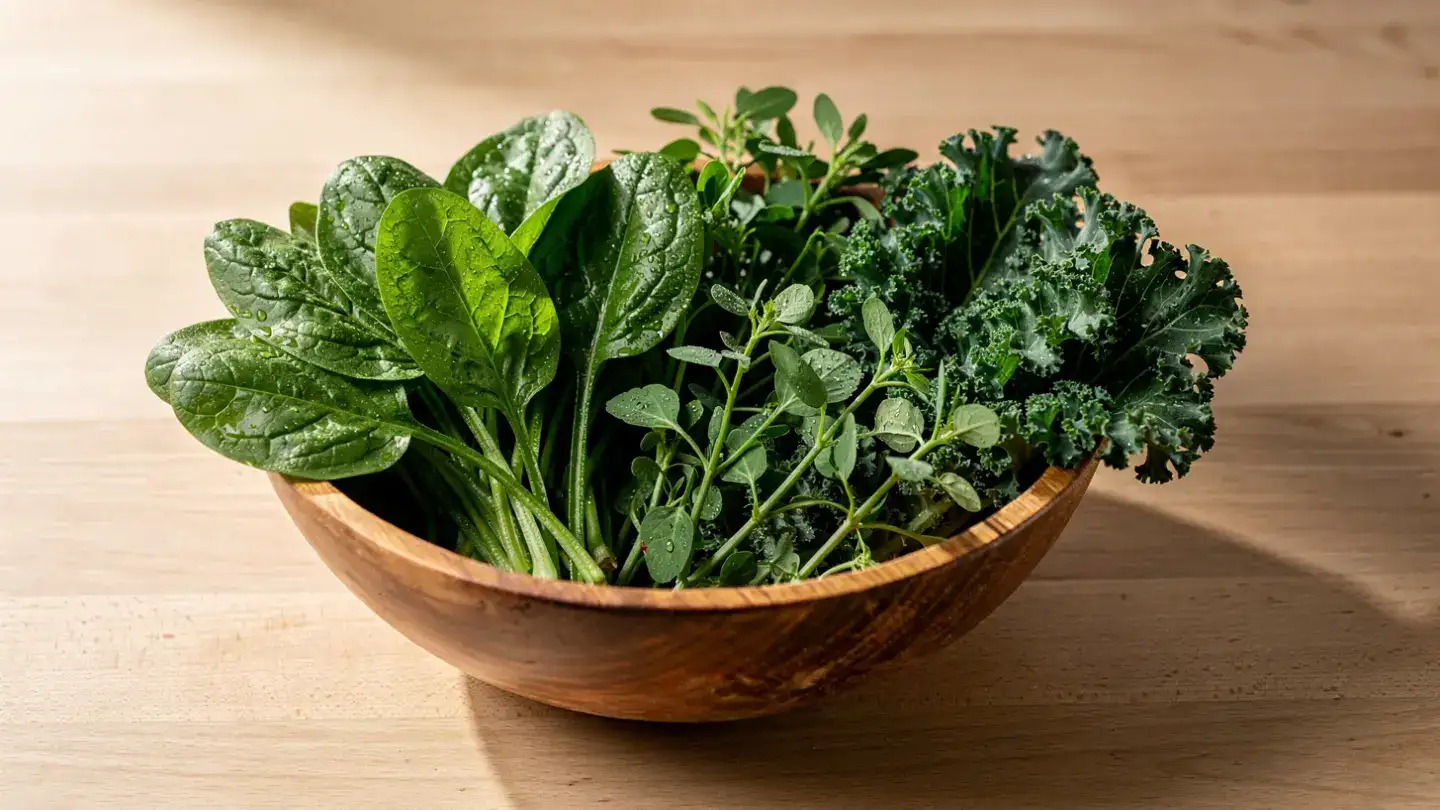
Indian kitchens are filled with ingredients that have been traditionally valued for nourishment and balance. Many of these foods contain essential nutrients, healthy fats, fibre, antioxidants, and minerals that may help the body function more efficiently. Instead of relying only on expensive supplements or restrictive trends, simple dietary choices can contribute to better long-term health.
Here is how certain Indian foods may help support hormonal health naturally when included as part of a balanced lifestyle.
Ghee, when consumed in moderation, provides healthy fats that support energy and digestion. Coconut and sesame-based foods are also commonly used in Indian cooking and may help provide nourishment for the body.
Many people trying extreme low-fat diets often overlook the importance of balanced nutrition. Including moderate amounts of healthy fats in meals may support natural hormone function more effectively.
Flaxseeds can be added to smoothies, curd, oats, or chapati dough, while sesame seeds are commonly used in Indian sweets and snacks. Both ingredients are affordable and easy to include in everyday meals.
These seeds also support digestion and provide nutrients that contribute to overall wellness, making them useful additions to a healthy Indian diet .
Dal, rajma, chana, and sprouts not only help maintain energy levels but also support muscle health and balanced eating habits. Protein-rich meals may also help stabilise hunger and reduce sudden cravings during the day.
A balanced intake of pulses and lentils can support both nutritional health and hormone health naturally.
Curd is rich in probiotics that support digestion and nutrient absorption. A healthy digestive system may indirectly help the body regulate hormones more efficiently.
Including fermented foods regularly in meals can also help improve overall comfort, immunity, and daily energy levels.
Turmeric contains curcumin, which is known for its anti-inflammatory properties. Ginger and cinnamon are also commonly consumed for digestive comfort and balanced eating habits.
Although spices alone are not magical solutions, regularly including them in home-cooked meals may contribute to better overall wellbeing and natural hormone support over time.
Seasonal fruits and vegetables also provide antioxidants and fibre that help maintain digestive health and balanced nutrition. A colourful and varied diet often supports better energy levels and overall wellness naturally.
Traditional Indian meals that include vegetables, dal, rice, and roti often provide balanced nutrition without requiring complicated meal plans.
Replacing packaged snacks with fruits, roasted chana, nuts, homemade snacks, or fresh meals may help improve eating habits gradually. Small and sustainable dietary changes are often easier to maintain in the long run.
A healthy Indian diet based on fresh ingredients and regular meal timings can contribute positively to overall health.
Drinking enough water, reducing excessive screen time before bed, and maintaining a balanced daily routine may support the body’s natural functions more effectively. Yoga, walking, meditation, and moderate exercise are also commonly recommended as part of a healthy lifestyle.
Tracking hormonal health naturally does not always require expensive wellness trends or complicated routines. Traditional Indian foods already contain many nourishing ingredients that can support the body through balanced and mindful eating habits.
From lentils and seeds to curd, vegetables, and spices, simple Indian meals often provide a strong nutritional foundation for long-term wellbeing. While severe hormonal concerns should always be discussed with healthcare professionals, healthier food choices and consistent lifestyle habits can play an important role in supporting everyday wellness naturally.
Image Courtesy: Meta AI
Indian kitchens are filled with ingredients that have been traditionally valued for nourishment and balance. Many of these foods contain essential nutrients, healthy fats, fibre, antioxidants, and minerals that may help the body function more efficiently. Instead of relying only on expensive supplements or restrictive trends, simple dietary choices can contribute to better long-term health.
Here is how certain Indian foods may help support hormonal health naturally when included as part of a balanced lifestyle.
The Importance Of Healthy Fats In Daily Meals
Healthy fats are essential for hormone production and overall body function. Traditional Indian diets often include natural fat sources such as ghee, coconut, sesame seeds, peanuts, and nuts.Ghee, when consumed in moderation, provides healthy fats that support energy and digestion. Coconut and sesame-based foods are also commonly used in Indian cooking and may help provide nourishment for the body.
Many people trying extreme low-fat diets often overlook the importance of balanced nutrition. Including moderate amounts of healthy fats in meals may support natural hormone function more effectively.
Flaxseeds And Sesame Seeds For Hormonal Balance
Flaxseeds and sesame seeds are becoming increasingly popular for natural hormone support because they contain fibre and plant compounds that may support hormonal balance.Flaxseeds can be added to smoothies, curd, oats, or chapati dough, while sesame seeds are commonly used in Indian sweets and snacks. Both ingredients are affordable and easy to include in everyday meals.
These seeds also support digestion and provide nutrients that contribute to overall wellness, making them useful additions to a healthy Indian diet .
Lentils And Pulses As Protein Sources
Indian meals often include lentils, chickpeas, kidney beans, and other pulses that provide plant-based protein. Protein is important because hormones rely on amino acids for proper production and regulation.Dal, rajma, chana, and sprouts not only help maintain energy levels but also support muscle health and balanced eating habits. Protein-rich meals may also help stabilise hunger and reduce sudden cravings during the day.
A balanced intake of pulses and lentils can support both nutritional health and hormone health naturally.
Curd And Fermented Foods For Gut Health
Gut health is closely linked with hormonal wellbeing. Traditional Indian foods like curd, buttermilk, and fermented dishes support digestion and may help maintain a healthier gut environment.Curd is rich in probiotics that support digestion and nutrient absorption. A healthy digestive system may indirectly help the body regulate hormones more efficiently.
Including fermented foods regularly in meals can also help improve overall comfort, immunity, and daily energy levels.
Turmeric And Traditional Indian Spices
Indian spices are known not only for flavour but also for their nutritional properties. Turmeric, cinnamon, ginger, cumin, and fenugreek are widely used in Indian cooking and have long been associated with wellness practices.Turmeric contains curcumin, which is known for its anti-inflammatory properties. Ginger and cinnamon are also commonly consumed for digestive comfort and balanced eating habits.
Although spices alone are not magical solutions, regularly including them in home-cooked meals may contribute to better overall wellbeing and natural hormone support over time.
Green Leafy Vegetables And Seasonal Produce
Spinach, fenugreek leaves, drumstick leaves, coriander, and other green vegetables are rich in vitamins, minerals, and iron. Nutrient-rich vegetables play an important role in supporting overall body function.Seasonal fruits and vegetables also provide antioxidants and fibre that help maintain digestive health and balanced nutrition. A colourful and varied diet often supports better energy levels and overall wellness naturally.
Traditional Indian meals that include vegetables, dal, rice, and roti often provide balanced nutrition without requiring complicated meal plans.
Avoiding Excessive Processed Foods
One of the biggest challenges to hormonal wellbeing today is the overconsumption of heavily processed foods, sugary snacks, and sugary drinks. These foods may affect energy levels, sleep patterns, and overall balance when consumed excessively.Replacing packaged snacks with fruits, roasted chana, nuts, homemade snacks, or fresh meals may help improve eating habits gradually. Small and sustainable dietary changes are often easier to maintain in the long run.
A healthy Indian diet based on fresh ingredients and regular meal timings can contribute positively to overall health.
Hydration And Lifestyle Habits Matter Too
Food alone cannot completely support hormonal balance without healthy lifestyle habits. Proper sleep, stress management, regular physical activity, and hydration also play a major role in maintaining wellbeing.Drinking enough water, reducing excessive screen time before bed, and maintaining a balanced daily routine may support the body’s natural functions more effectively. Yoga, walking, meditation, and moderate exercise are also commonly recommended as part of a healthy lifestyle.
Tracking hormonal health naturally does not always require expensive wellness trends or complicated routines. Traditional Indian foods already contain many nourishing ingredients that can support the body through balanced and mindful eating habits.
From lentils and seeds to curd, vegetables, and spices, simple Indian meals often provide a strong nutritional foundation for long-term wellbeing. While severe hormonal concerns should always be discussed with healthcare professionals, healthier food choices and consistent lifestyle habits can play an important role in supporting everyday wellness naturally.
Image Courtesy: Meta AI
Next Story