
Traditional Indian Fabrics Are Back in Everyday Fashion, From Khadi to Chanderi

Indian fashion has never really stopped producing beautiful fabrics, but the way people wear them is changing. Textiles once associated mainly with festivals, weddings or formal occasions are increasingly appearing in shirts, trousers, kurtas, dresses, jackets and everyday separates. Khadi , Chanderi , Ikat, Sambalpuri and other handloom traditions are being adapted for contemporary wardrobes rather than being treated simply as heritage pieces. India's handloom sector remains remarkably diverse, with fabrics made from cotton, silk, wool, linen and other natural fibres. The revival is therefore less about bringing old clothes back and more about giving familiar textiles a new purpose.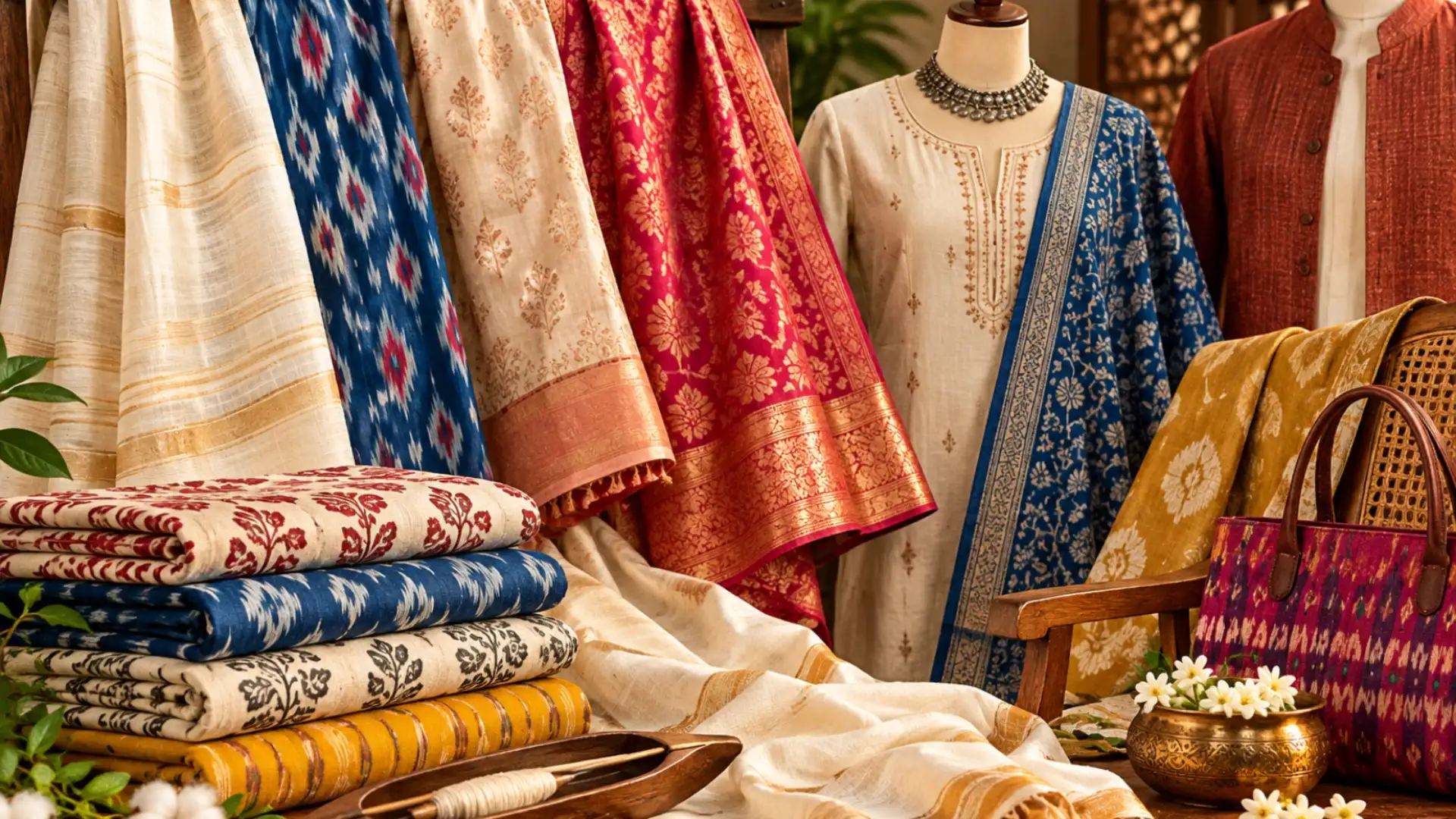
A Chanderi weave can become a relaxed shirt, while Ikat can be used for contemporary co-ords. Banarasi is no longer restricted to the classic sari either. Designers are experimenting with lighter constructions, new silhouettes and separates made from Banarasi textiles.
This shift makes heritage fabrics easier to wear without making the outfit look overly formal.
Today, its appeal also comes from its texture, breathability and versatility. A simple khadi shirt with denim or trousers can look considerably more contemporary than the traditional khadi image many people grew up with.
Chanderi, meanwhile, is known for its lightweight character and elegant appearance. It can work particularly well for summer kurtas, dupattas and relaxed festive clothing.
These fabrics do not need elaborate styling to make an impression. Their weave or pattern already provides visual interest.
The interesting part of this revival is that heritage does not have to remain frozen in the past. A fabric survives when people find new reasons to wear it, and today's everyday wardrobe may be giving India's old weaving traditions exactly that opportunity.
Why Traditional Fabrics Are Being Reimagined
For years, handloom was often associated with occasion wear or a distinctly traditional aesthetic. Designers and consumers are now approaching these fabrics differently.A Chanderi weave can become a relaxed shirt, while Ikat can be used for contemporary co-ords. Banarasi is no longer restricted to the classic sari either. Designers are experimenting with lighter constructions, new silhouettes and separates made from Banarasi textiles.
This shift makes heritage fabrics easier to wear without making the outfit look overly formal.
Khadi Is No Longer Just a Symbolic Fabric
Khadi has a particularly interesting place in India's textile history. It is made from hand-spun yarn and handwoven fabric, and the charkha became closely associated with self-reliance during India's freedom movement.Today, its appeal also comes from its texture, breathability and versatility. A simple khadi shirt with denim or trousers can look considerably more contemporary than the traditional khadi image many people grew up with.
Ikat and Chanderi Find New Audiences
Ikat is recognised for patterns created through resist-dyeing yarn before weaving. Pochampally and Sambalpuri traditions have given this technique distinctive regional identities.Chanderi, meanwhile, is known for its lightweight character and elegant appearance. It can work particularly well for summer kurtas, dupattas and relaxed festive clothing.
These fabrics do not need elaborate styling to make an impression. Their weave or pattern already provides visual interest.
Why This Revival Matters
The return of traditional Indian fabrics is also connected to growing interest in craftsmanship and provenance. Handloom production supports artisan communities and allows small batches and regional variations that mass manufacturing cannot always reproduce. The Ministry of Textiles notes that the sector is less capital-intensive, uses relatively little power and can adapt to changing market requirements.The interesting part of this revival is that heritage does not have to remain frozen in the past. A fabric survives when people find new reasons to wear it, and today's everyday wardrobe may be giving India's old weaving traditions exactly that opportunity.
Next Story