
Healthy and Traditional: Indian Steamed Snacks Prepared With Lentils, Millets and Vegetables

Indian cuisine has a remarkable variety of steamed snacks that go far beyond familiar idli and dhokla. Across different regions, home cooks use lentils, gram flour, millets, leafy vegetables and seasonal ingredients to prepare flavourful dishes without relying on rice or wheat. These recipes often reflect local food traditions, where simple ingredients are transformed through steaming, grinding and seasoning. Some are enjoyed as breakfast, while others are served with chutneys or as evening snacks. Exploring these dishes offers a delicious way to discover regional Indian cooking and experiment with different grains and pulses.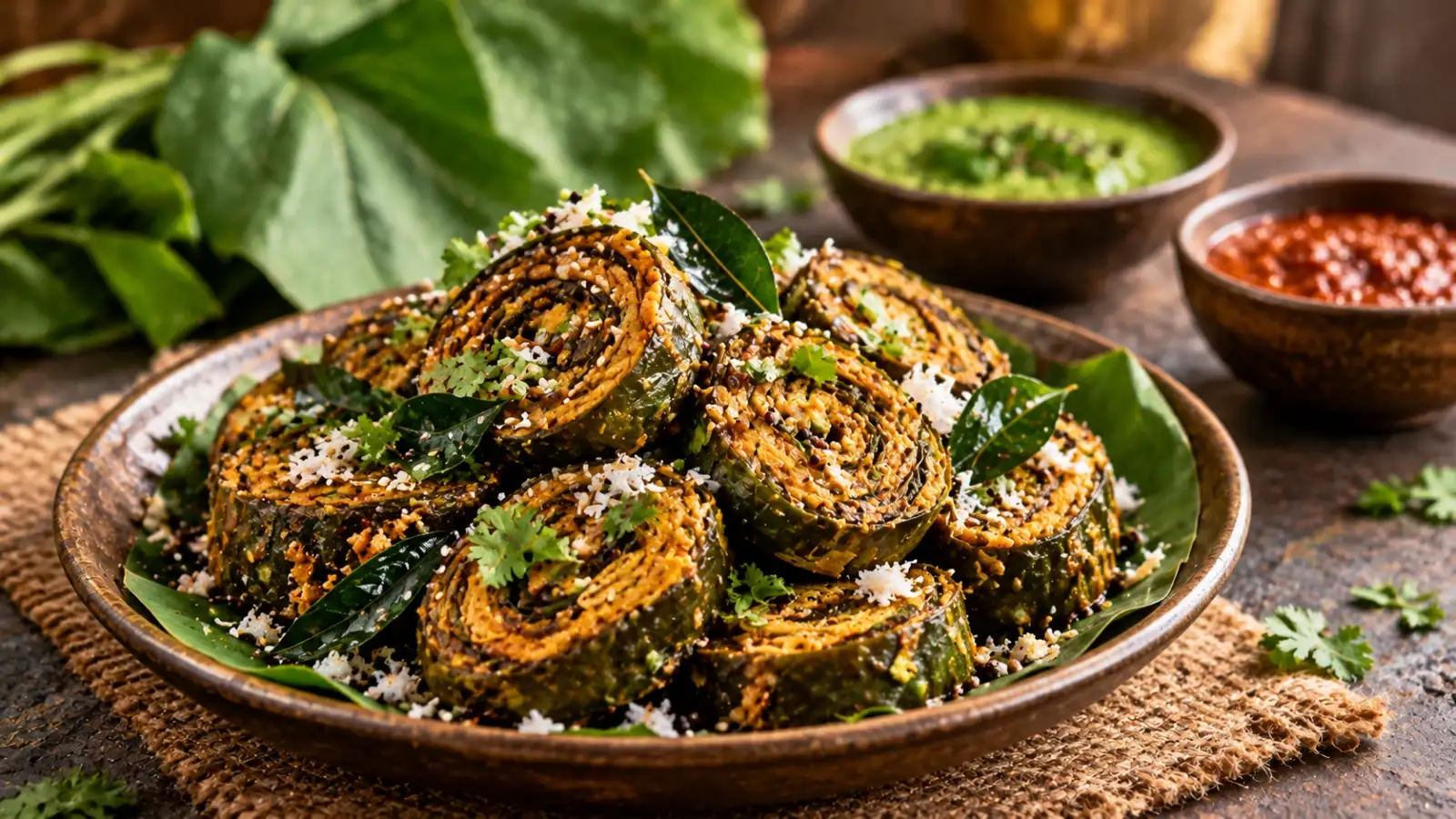
Ragi flour is mixed with hot water and cooked until it forms a smooth, firm mixture. The dough-like preparation is shaped into balls and served with sambar, bassaru or vegetable-based curries.
Its earthy flavour and dense texture make it a distinctive example of millet-based cooking.
Once cooked, the rolls are sliced into round pieces. They are often finished with a tempering of mustard seeds, sesame seeds and curry leaves.
The combination of sweet, tangy and spicy flavours makes patra a well-loved regional snack.
The rolls are topped with mustard seeds, sesame seeds, curry leaves and grated coconut. Their soft texture and mild tanginess make them a popular choice for breakfast or an evening snack.
Khandvi does not require rice or wheat flour, making it an interesting option for those exploring traditional pulse-based recipes.
Once cooked, the pieces can be sliced and lightly tossed with mustard seeds, sesame seeds and curry leaves. Some versions use millet flour or other regional ingredients.
Steamed muthia offers a combination of vegetable flavour and aromatic seasoning, making it suitable for breakfast or a light snack.
For a rice-free version, millet flour can be used to make the outer covering. The dumplings may be filled with grated coconut, jaggery, roasted gram or a savoury mixture of lentils and spices.
They are shaped into small parcels and steamed until cooked. The result is a soft snack with a choice of sweet or savoury flavours.
Although many versions use rice, variations can be prepared with millet-based batters for those avoiding rice. The leaf cups give the steamed preparation a distinctive aroma.
It is usually served with coconut chutney or other accompaniments, making it an interesting example of traditional leaf-based cooking.
Ingredients such as cumin, coriander, green chilli and fresh herbs add flavour. Recipes differ between households, with some incorporating seasonal vegetables.
These lentil-based variations demonstrate how pulses can be used to create satisfying steamed snacks.
The fermented batter is poured into idli moulds and steamed until soft. It can be served with coconut chutney and sambar.
Its mild flavour makes it easy to pair with a variety of traditional accompaniments.
It is usually cut into squares and topped with a tempering of mustard seeds, green chillies and curry leaves. Fresh coriander and grated coconut are often added as garnishes.
Unlike some other versions of dhokla, traditional khaman does not require rice, making it a suitable example of a gram flour-based steamed snack.
A lighter variation can be steamed rather than boiled and served as a snack with chutney or a simple tempering. The preparation uses besan as its main ingredient, without requiring rice or wheat.
For people looking to diversify their meals, such recipes offer opportunities to experiment with different textures and flavours. They also help preserve regional food traditions that deserve more attention beyond widely recognised Indian snacks.
Traditional Indian steamed snacks offer plenty of variety without depending on rice or wheat. From Gujarati patra and khandvi to millet-based ragi idli and regional muthia, these preparations showcase the creativity of Indian home cooking. Some recipes require small adaptations to remain completely rice-free or wheat-free, so checking the ingredients is important. Exploring these dishes can introduce new flavours while bringing regional culinary traditions into everyday kitchens.
1. Ragi Muddhe, Karnataka
Ragi muddhe is a traditional preparation from Karnataka made using finger millet flour. Although it is usually served as a staple meal rather than a snack, smaller portions can be enjoyed as a filling steamed accompaniment.Ragi flour is mixed with hot water and cooked until it forms a smooth, firm mixture. The dough-like preparation is shaped into balls and served with sambar, bassaru or vegetable-based curries.
Its earthy flavour and dense texture make it a distinctive example of millet-based cooking.
2. Patra, Gujarat and Maharashtra
Patra is a popular steamed snack prepared using colocasia leaves and a spiced gram flour mixture. The leaves are coated with a paste made from besan, tamarind, jaggery and spices, then layered, rolled and steamed.Once cooked, the rolls are sliced into round pieces. They are often finished with a tempering of mustard seeds, sesame seeds and curry leaves.
The combination of sweet, tangy and spicy flavours makes patra a well-loved regional snack.
3. Khandvi, Gujarat
Khandvi is a delicate Gujarati snack made primarily from gram flour and yoghurt. The ingredients are cooked into a smooth batter, which is spread into thin layers and rolled into small cylinders after cooling slightly.The rolls are topped with mustard seeds, sesame seeds, curry leaves and grated coconut. Their soft texture and mild tanginess make them a popular choice for breakfast or an evening snack.
Khandvi does not require rice or wheat flour, making it an interesting option for those exploring traditional pulse-based recipes.
4. Muthia, Gujarat
Traditional muthia can be prepared using gram flour, bottle gourd, fenugreek leaves and spices. The mixture is shaped into small cylindrical portions and steamed until firm.Once cooked, the pieces can be sliced and lightly tossed with mustard seeds, sesame seeds and curry leaves. Some versions use millet flour or other regional ingredients.
Steamed muthia offers a combination of vegetable flavour and aromatic seasoning, making it suitable for breakfast or a light snack.
5. Kozhukattai, Tamil Nadu
Kozhukattai is a traditional South Indian preparation commonly associated with festivals and special occasions. While many familiar versions use rice flour, some regional variations can be prepared with other ingredients.For a rice-free version, millet flour can be used to make the outer covering. The dumplings may be filled with grated coconut, jaggery, roasted gram or a savoury mixture of lentils and spices.
They are shaped into small parcels and steamed until cooked. The result is a soft snack with a choice of sweet or savoury flavours.
6. Kotte Kadubu, Karnataka
Kotte kadubu is a traditional steamed preparation associated with Karnataka's coastal and Malnad regions. It is commonly made using a fermented batter placed inside cup-shaped jackfruit leaves.Although many versions use rice, variations can be prepared with millet-based batters for those avoiding rice. The leaf cups give the steamed preparation a distinctive aroma.
It is usually served with coconut chutney or other accompaniments, making it an interesting example of traditional leaf-based cooking.
7. Dal Dhokli Muthiya, Rajasthan and Gujarat
Some regional steamed muthiya preparations use ground lentils, gram flour and spices instead of rice or wheat. The mixture is shaped into small portions and steamed before being served with chutney or a light tempering.Ingredients such as cumin, coriander, green chilli and fresh herbs add flavour. Recipes differ between households, with some incorporating seasonal vegetables.
These lentil-based variations demonstrate how pulses can be used to create satisfying steamed snacks.
8. Ragi Idli , South India
Ragi idli is a variation of the familiar South Indian breakfast dish, made using finger millet rather than relying entirely on rice. Depending on the recipe, the batter may include urad dal, ragi flour or soaked and ground millet.The fermented batter is poured into idli moulds and steamed until soft. It can be served with coconut chutney and sambar.
Its mild flavour makes it easy to pair with a variety of traditional accompaniments.
9. Khaman, Gujarat
Khaman is a popular Gujarati steamed snack prepared primarily from gram flour. The batter is mixed with water, spices and a raising ingredient before being steamed into a soft, spongy cake.It is usually cut into squares and topped with a tempering of mustard seeds, green chillies and curry leaves. Fresh coriander and grated coconut are often added as garnishes.
Unlike some other versions of dhokla, traditional khaman does not require rice, making it a suitable example of a gram flour-based steamed snack.
10. Steamed Besan Gatte, Rajasthan
Gatte are traditionally prepared using gram flour, spices and yoghurt or water. The mixture is shaped into cylindrical portions and cooked before being sliced. These pieces are often added to a rich Rajasthani curry.A lighter variation can be steamed rather than boiled and served as a snack with chutney or a simple tempering. The preparation uses besan as its main ingredient, without requiring rice or wheat.
Why Explore Steamed Snacks Made Without Rice or Wheat?
These regional dishes demonstrate the versatility of Indian ingredients such as gram flour, lentils and millets. Steaming also allows many preparations to be cooked without deep-frying, although their overall nutritional value depends on ingredients, portion sizes and toppings.For people looking to diversify their meals, such recipes offer opportunities to experiment with different textures and flavours. They also help preserve regional food traditions that deserve more attention beyond widely recognised Indian snacks.
Traditional Indian steamed snacks offer plenty of variety without depending on rice or wheat. From Gujarati patra and khandvi to millet-based ragi idli and regional muthia, these preparations showcase the creativity of Indian home cooking. Some recipes require small adaptations to remain completely rice-free or wheat-free, so checking the ingredients is important. Exploring these dishes can introduce new flavours while bringing regional culinary traditions into everyday kitchens.
Next Story