
7 Indian Rice Dishes That Tell the Story of Different Regions

Rice is more than a staple grain in Indian kitchens. Across the country, it is cooked with different spices, lentils, vegetables, coconut and local ingredients, creating dishes that reflect the food traditions of each region. From festive offerings in Tamil Nadu to temple bhog in Bengal and comforting meals in Maharashtra, these seven rice-based dishes reveal how geography, culture and celebrations shape regional food.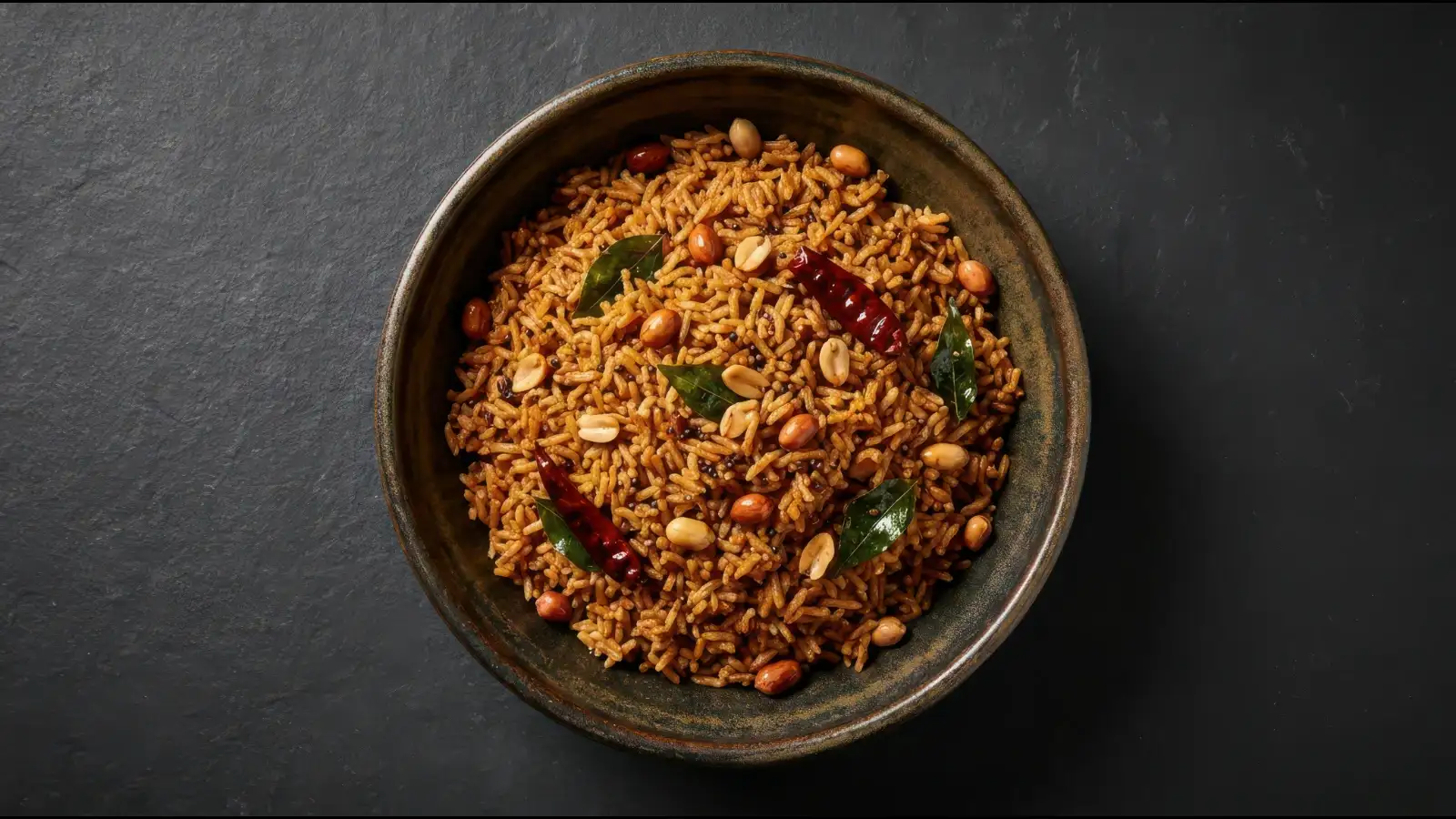
Tamil Nadu also has Sakkarai Pongal, a sweet preparation made with rice, jaggery, milk and ghee. Pongal is therefore not just an everyday food but also part of festive and temple food traditions.
The dish is commonly associated with festivals and special occasions, and variations are also found across southern India. Its combination of sour, spicy and aromatic flavours gives it a distinctive regional character. Incredible India identifies Pulihora as a staple and festive favourite in Andhra Pradesh.
The dish reflects Karnataka's preference for combining grains, lentils, vegetables and spices in a single preparation. It is also an example of how a simple combination of everyday ingredients can become an important part of a state's culinary identity.
The significance of the dish extends beyond its ingredients. After being offered as bhog, it is distributed as prasad, bringing people together around a shared meal. During Durga Puja, khichuri is a familiar part of community celebrations across Bengal.
The dish has a special place in festive and wedding meals in Maharashtra. Its earthy spice profile and use of seasonal vegetables show how local ingredients and traditional spice blends can give a simple rice preparation a distinct regional identity.
Taher has cultural significance in Kashmiri households and is associated with auspicious occasions, particularly among Kashmiri Pandit communities. Its simplicity makes it different from elaborate pulaos, showing how even lightly seasoned rice can have an important place in regional food traditions.
The combination reflects Kerala's culinary affinity for rice and coconut. Appam is especially associated with breakfast and traditional home-style meals, while its pairing with coconut-rich stew highlights the ingredients that define much of Kerala's cuisine.
Together, they show how India's food traditions are shaped not only by ingredients but also by festivals, geography, religious practices, agriculture and generations of home cooking. A bowl of rice can therefore tell a surprisingly detailed story about the place from which it comes.
Disclaimer: This article is for information purposes only and is based on information available online. NewsPoint does not independently verify or claim the accuracy of the information provided.
1. Pongal , Tamil Nadu
Pongal is closely associated with Tamil Nadu and is particularly significant during the harvest festival of the same name. Ven Pongal, the savoury version, combines rice and moong dal with ingredients such as black pepper, cumin, ginger and ghee. Its soft texture and comforting flavour reflect the simplicity of traditional South Indian cooking.Tamil Nadu also has Sakkarai Pongal, a sweet preparation made with rice, jaggery, milk and ghee. Pongal is therefore not just an everyday food but also part of festive and temple food traditions.
2. Pulihora , Andhra Pradesh and Telangana
Known as Pulihora or tamarind rice, this dish showcases the love for bold, tangy flavours in Andhra cuisine. Cooked rice is mixed with tamarind paste and tempered with ingredients such as mustard seeds, curry leaves and chillies.The dish is commonly associated with festivals and special occasions, and variations are also found across southern India. Its combination of sour, spicy and aromatic flavours gives it a distinctive regional character. Incredible India identifies Pulihora as a staple and festive favourite in Andhra Pradesh.
3. Bisi Bele Bath , Karnataka
Bisi Bele Bath literally refers to hot lentil rice and is one of Karnataka's best-known traditional rice preparations. Rice, lentils and vegetables come together with a distinctive spice mixture to create a wholesome one-pot meal.The dish reflects Karnataka's preference for combining grains, lentils, vegetables and spices in a single preparation. It is also an example of how a simple combination of everyday ingredients can become an important part of a state's culinary identity.
4. Bhoger Khichuri, West Bengal
In Bengal, Bhoger Khichuri carries a strong connection with religious and community traditions. Made with rice and lentils, often along with vegetables and spices, it is served as bhog during Durga Puja and other religious occasions.The significance of the dish extends beyond its ingredients. After being offered as bhog, it is distributed as prasad, bringing people together around a shared meal. During Durga Puja, khichuri is a familiar part of community celebrations across Bengal.
You may also like
- Kay Beauty vs SUGAR: Which Lipstick Gives the Best Colour Payoff in One Swipe?
- Struggling With Recurring Pigmentation? Dermatologist Shares Mistakes to Avoid
- 'I repair all kinds of pens': Meet Madurai's 'pen doctor' keeping a 55-year-old trade alive in the age of computers
- Psychology says children who always wait for their parents' approval may be struggling with more than confidence
- Festive Skincare Made Easy: 5 DIY Coffee Masks and Scrubs
5. Masale Bhaat, Maharashtra
Masale Bhaat brings together rice, vegetables and the distinctive Maharashtrian spice blend known as goda masala. Vegetables such as brinjal, ivy gourd and peas can be used, although recipes vary between households.The dish has a special place in festive and wedding meals in Maharashtra. Its earthy spice profile and use of seasonal vegetables show how local ingredients and traditional spice blends can give a simple rice preparation a distinct regional identity.
6. Taher, Kashmir
Taher, also written as Tahaer, is a traditional yellow rice preparation associated with Kashmiri cuisine. The dish is prepared with rice and turmeric, giving it its characteristic golden colour.Taher has cultural significance in Kashmiri households and is associated with auspicious occasions, particularly among Kashmiri Pandit communities. Its simplicity makes it different from elaborate pulaos, showing how even lightly seasoned rice can have an important place in regional food traditions.
7. Appam, Kerala
Kerala's appam shows another way rice becomes the foundation of a regional speciality. Made from fermented rice batter, appam has a soft, spongy centre and delicate, lacy edges. It is commonly served with vegetable or meat-based stews.The combination reflects Kerala's culinary affinity for rice and coconut. Appam is especially associated with breakfast and traditional home-style meals, while its pairing with coconut-rich stew highlights the ingredients that define much of Kerala's cuisine.
A Plate Full of Regional Stories
These seven dishes demonstrate that there is no single way to cook rice. In one region, rice becomes a festive harvest preparation; elsewhere, it becomes tangy Pulihora, a community-serving khichuri, a spiced Maharashtrian bhaat or a simple Kashmiri preparation for an auspicious occasion.Together, they show how India's food traditions are shaped not only by ingredients but also by festivals, geography, religious practices, agriculture and generations of home cooking. A bowl of rice can therefore tell a surprisingly detailed story about the place from which it comes.
Disclaimer: This article is for information purposes only and is based on information available online. NewsPoint does not independently verify or claim the accuracy of the information provided.






Loving Newspoint? Download the app now
