
10 Ways to Use Fallen Leaves in Your Garden Instead of Throwing Them Away

When autumn arrives, gardens can quickly become covered in a thick layer of fallen leaves. For many gardeners, clearing them feels like another seasonal chore, with bags of leaves often ending up as garden waste. However, those leaves can actually become a useful resource for the garden.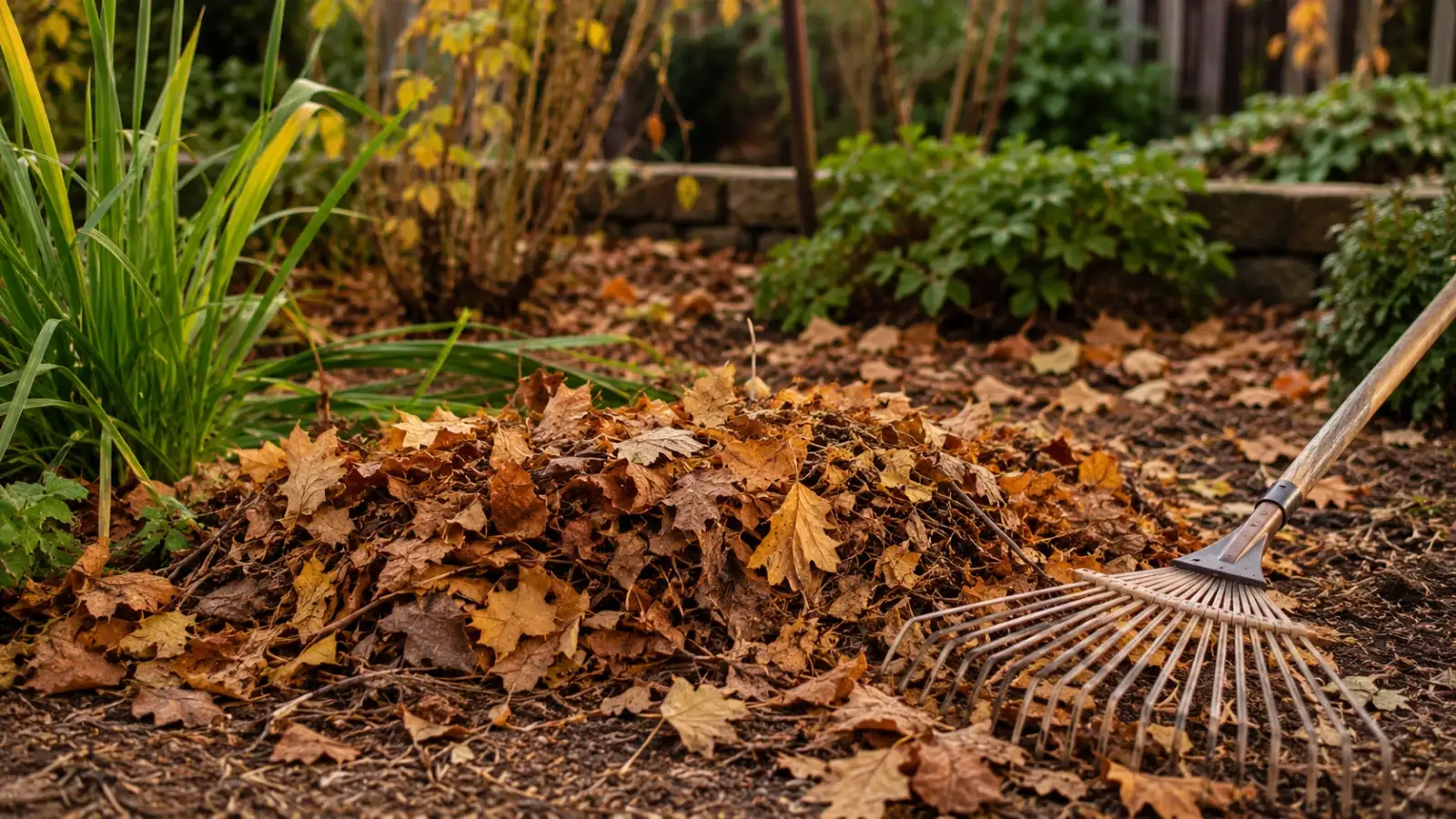
Fallen leaves contain organic matter that can improve soil and support plants when they are used correctly. Instead of treating them as rubbish, you can turn them into mulch, compost and even a natural habitat for garden wildlife. Reusing leaves is also a simple way to reduce garden waste while making your outdoor space more sustainable.
Here are 10 easy ways to use fallen leaves in your garden.
Collect fallen leaves and place them in a wire bin, composting area or breathable container. Keep the pile slightly moist and allow it to break down naturally. It can take several months or longer, depending on the type of leaves and conditions.
Once fully decomposed, the result is a dark, crumbly material that can be added to garden soil.
Before using leaves as mulch, it is better to shred them with a mower or leaf shredder. Whole leaves can form a thick, wet layer that prevents air and water from reaching the soil properly.
Keep the mulch away from plant stems and tree trunks to reduce the risk of rot.
Mixing leaves with other compost materials helps create a more balanced pile. Shredding the leaves first can also speed up decomposition and prevent them from forming dense layers.
This is an easy way to turn seasonal garden waste into useful compost for future planting.
You can place shredded leaves around perennial plants or use them to cover suitable garden beds. However, avoid creating excessively thick, wet layers directly against plants.
For particularly delicate plants, leaves can be combined with other protective materials to provide additional insulation.
Once your collected leaves have broken down, spread the material over the soil and gently work it into the upper layer. It can also be added when preparing a new planting bed.
This makes fallen leaves particularly valuable for gardeners who want to improve soil naturally.
A simple pile of leaves can provide a place for garden wildlife to hide and spend colder periods. You can keep this area away from lawns and main planting beds so that it does not interfere with everyday gardening.
A small wildlife corner can make your garden more welcoming to beneficial creatures.
Fill the enclosure with leaves and keep them slightly damp during dry periods. Over time, natural fungi and microorganisms will break down the material.
The finished leaf mould can later be used around plants, mixed into soil or added to potting mixes.
Run a lawn mower over a light covering of dry leaves several times until they are finely chopped. The small pieces can settle between grass blades and gradually break down.
Avoid allowing a heavy layer to remain on the lawn, particularly when it is wet.
Leave a clear gap around the trunk rather than piling material directly against the bark. This simple habit can make fallen leaves useful while also giving planting areas a more natural appearance.
Spread the leaves over unused vegetable beds, empty borders or areas waiting for spring planting. As they break down, they add organic matter to the soil.
By spring, some of the material may have decomposed naturally, making it easier to prepare the ground for new plants.
The key is to use them appropriately. Shredding leaves before applying them as mulch can prevent them from forming heavy layers, while composting allows them to break down into valuable organic matter. Some leaves can also be left in quiet parts of the garden to provide shelter for wildlife.
So, before filling another bag with autumn leaves and sending it away as garden waste, consider keeping some for your own garden. What looks like a pile of unwanted leaves could actually be one of the simplest natural resources available to your plants.
Fallen leaves contain organic matter that can improve soil and support plants when they are used correctly. Instead of treating them as rubbish, you can turn them into mulch, compost and even a natural habitat for garden wildlife. Reusing leaves is also a simple way to reduce garden waste while making your outdoor space more sustainable.
Here are 10 easy ways to use fallen leaves in your garden.
1. Make Leaf Compost
One of the best uses for fallen leaves is making leaf compost, often known as leaf mould. Unlike traditional compost, which usually contains a mixture of kitchen and garden waste, leaf mould is mainly made from decomposed leaves.Collect fallen leaves and place them in a wire bin, composting area or breathable container. Keep the pile slightly moist and allow it to break down naturally. It can take several months or longer, depending on the type of leaves and conditions.
Once fully decomposed, the result is a dark, crumbly material that can be added to garden soil.
2. Use Leaves as Natural Mulch
Shredded fallen leaves make an excellent natural mulch for many garden beds. A layer spread around plants can help protect the soil surface and reduce moisture loss.Before using leaves as mulch, it is better to shred them with a mower or leaf shredder. Whole leaves can form a thick, wet layer that prevents air and water from reaching the soil properly.
Keep the mulch away from plant stems and tree trunks to reduce the risk of rot.
3. Add Them to Your Compost Bin
Fallen leaves can also be added directly to a normal compost pile. They provide carbon-rich material, which balances wetter and nitrogen-rich ingredients such as fresh grass clippings and some kitchen scraps.Mixing leaves with other compost materials helps create a more balanced pile. Shredding the leaves first can also speed up decomposition and prevent them from forming dense layers.
This is an easy way to turn seasonal garden waste into useful compost for future planting.
4. Protect Tender Plants
A layer of fallen leaves can provide some protection for plants during colder weather. They can act as an insulating layer around the roots, helping reduce the impact of sudden temperature changes.You can place shredded leaves around perennial plants or use them to cover suitable garden beds. However, avoid creating excessively thick, wet layers directly against plants.
For particularly delicate plants, leaves can be combined with other protective materials to provide additional insulation.
5. Improve Garden Soil
Decomposed leaves can help improve the structure of garden soil. Leaf mould adds organic matter and can make heavy soils more workable while helping sandy soils retain moisture.Once your collected leaves have broken down, spread the material over the soil and gently work it into the upper layer. It can also be added when preparing a new planting bed.
This makes fallen leaves particularly valuable for gardeners who want to improve soil naturally.
6. Create a Wildlife-Friendly Corner
Not every fallen leaf needs to be removed. Leaving some undisturbed in a quiet corner of the garden can create shelter for insects and other small creatures.A simple pile of leaves can provide a place for garden wildlife to hide and spend colder periods. You can keep this area away from lawns and main planting beds so that it does not interfere with everyday gardening.
A small wildlife corner can make your garden more welcoming to beneficial creatures.
7. Make a Leaf Mould Bin
If you have a large amount of autumn leaves, creating a dedicated leaf mould bin can be a practical solution. A simple wire enclosure is often enough to keep the leaves together while allowing air to circulate.Fill the enclosure with leaves and keep them slightly damp during dry periods. Over time, natural fungi and microorganisms will break down the material.
The finished leaf mould can later be used around plants, mixed into soil or added to potting mixes.
8. Use Shredded Leaves on the Lawn
Leaves left in a thick layer on a lawn can block light and air from reaching the grass. However, small amounts of shredded leaves can sometimes be incorporated into the lawn rather than removed.Run a lawn mower over a light covering of dry leaves several times until they are finely chopped. The small pieces can settle between grass blades and gradually break down.
Avoid allowing a heavy layer to remain on the lawn, particularly when it is wet.
9. Add Leaves Around Trees and Shrubs
Trees and shrubs can benefit from a layer of organic material around their root zones. Shredded leaves can be spread around established plants to help protect the soil and gradually add organic matter.Leave a clear gap around the trunk rather than piling material directly against the bark. This simple habit can make fallen leaves useful while also giving planting areas a more natural appearance.
You may also like
- Durga Puja 2026 Holidays: How Many Days Will School, Colleges Get Vacation? Check Dates
- John Galliano's Met retrospective cancelled: What really happened
- Meet Gulabo Sapera: She was buried alive as a baby for being a girl child, later became the Padma Shri-winning queen of Kalbelia dance after learning from the flexibility of snakes, and now runs dance schools for girls across India and Denmark
- 7 Hardy vegetables to plant in September for a bountiful winter harvest: Easy crops that quickly fill gaps in your garden
- Why Did Dharma Take Birth Twice in the Mahabharata?
10. Use Leaves to Cover Bare Soil
Bare soil can be vulnerable to drying, erosion and temperature changes. A layer of shredded fallen leaves can provide a simple temporary covering during autumn and winter.Spread the leaves over unused vegetable beds, empty borders or areas waiting for spring planting. As they break down, they add organic matter to the soil.
By spring, some of the material may have decomposed naturally, making it easier to prepare the ground for new plants.
Turn Fallen Leaves Into a Garden Resource
Fallen leaves do not have to be a seasonal nuisance. With a little effort, they can become useful garden material that supports soil, plants and wildlife.The key is to use them appropriately. Shredding leaves before applying them as mulch can prevent them from forming heavy layers, while composting allows them to break down into valuable organic matter. Some leaves can also be left in quiet parts of the garden to provide shelter for wildlife.
So, before filling another bag with autumn leaves and sending it away as garden waste, consider keeping some for your own garden. What looks like a pile of unwanted leaves could actually be one of the simplest natural resources available to your plants.






Loving Newspoint? Download the app now
