
10 Eye-Catching Plants That Can Become Your Garden Centrepiece

A garden does not always need colourful flowers to make a strong impression. Sometimes, an unusual shape is enough to catch the eye. Plants with twisted stems, architectural leaves, unusual growth patterns or sculptural forms can add character to even a simple outdoor space. They can also create a focal point that makes the whole garden feel more carefully designed.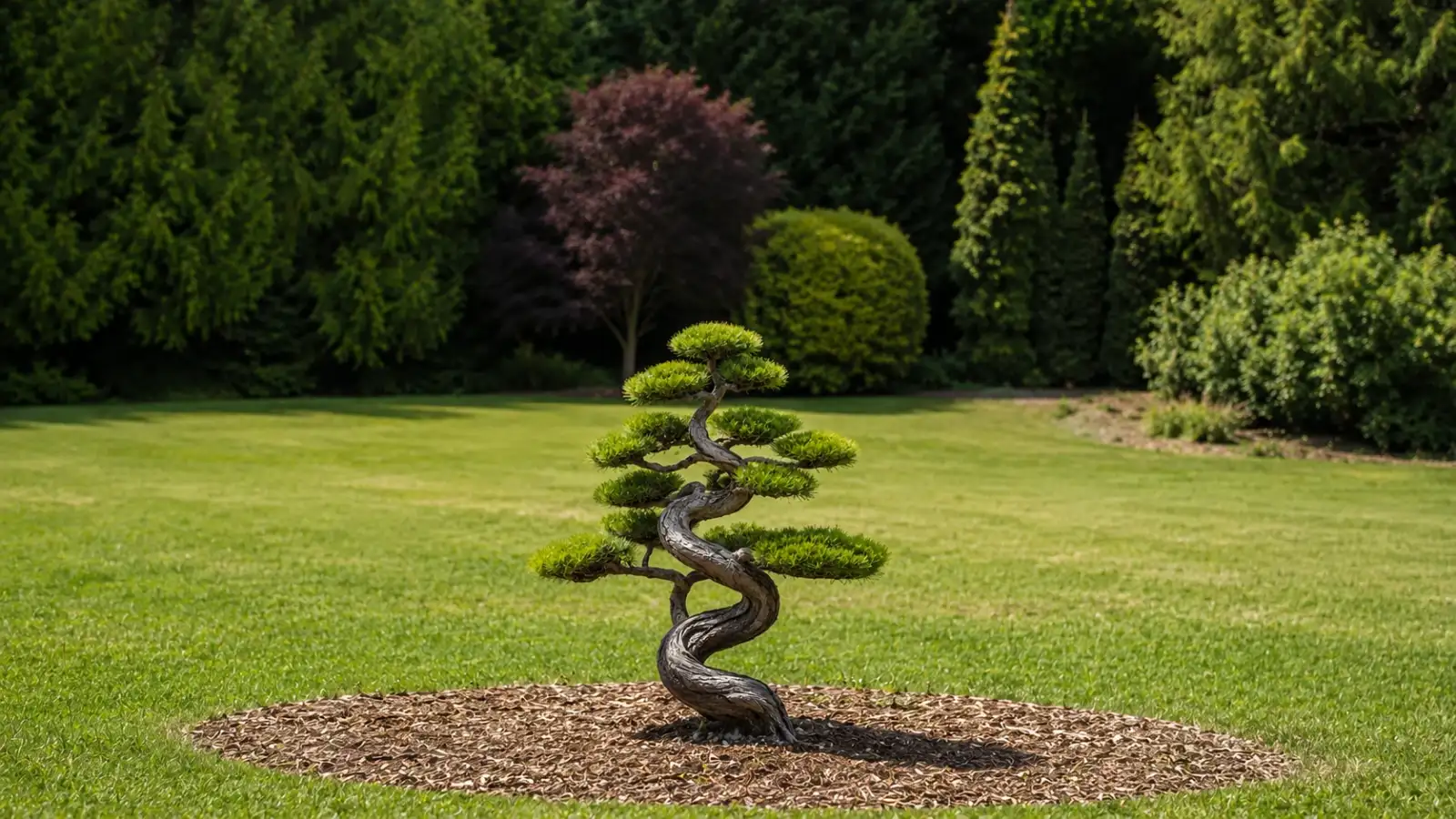
If you want to move beyond ordinary shrubs and flowering plants, there are plenty of interesting options to consider. Some look almost like living sculptures, while others develop fascinating shapes naturally over time. Here are 10 unusual shaped plants that can become the centrepiece of a garden.
A Japanese maple can work particularly well as a garden focal point when planted where its shape can be appreciated from different angles. Its foliage can also change colour through the seasons, giving the garden plenty of interest throughout the year.
The twisted stems are particularly noticeable during winter. Instead of looking bare and uninteresting, the plant continues to provide visual appeal through its unusual framework.
It can be planted on its own or used against a simple background where the curling branches become easier to see.
The plant develops a strong silhouette as it matures. In suitable climates, it can become an impressive focal point, while smaller varieties can be grown in containers.
They are excellent choices for rock gardens, containers and dry planting areas. A collection of different varieties can create an interesting display, but a single large specimen can also become a simple and elegant garden feature.
The thick base stores water, while the leaves form a loose fountain-like shape above it. This makes the plant particularly interesting for modern gardens and containers where its unusual structure can be clearly displayed.
It needs the right growing conditions, including warmth, humidity and suitable light, so it may not be ideal for every outdoor garden. However, gardeners who can provide the appropriate environment may find it an extraordinary addition to a plant collection.
This unusual succulent is especially attractive in rock gardens and containers. Because the plant has such a strong geometric form, it can serve as a focal point without needing additional decoration around it.
It can eventually become a large tree, so it needs plenty of room to grow. When planted in the right location, however, it can dominate a garden landscape and provide a focal point for many years.
Its red-tinted foliage can add colour without relying on flowers. Plant it in groups or use it near paths and borders where its unusual form can be appreciated.
Their evergreen foliage means they can provide structure throughout the year. A spiral juniper can be placed beside an entrance, in a large container or at the centre of a simple planting bed.
Try giving the feature plant some breathing room. Low-growing ground cover, simple grasses or gravel can provide a quiet background that allows its shape to stand out. You can also use paths, pots or garden lighting to naturally draw attention towards it.
Think about how the plant will look throughout the year as well. Some plants are most impressive when flowering, while others rely on their stems, trunks or leaves for their unusual appearance.
The beauty of using uniquely shaped plants is that they can make a garden feel personal without requiring an elaborate design. Whether you prefer twisted branches, geometric succulents, tropical foliage or sculptural trees, one carefully chosen plant can completely change the character of an outdoor space.
If you want to move beyond ordinary shrubs and flowering plants, there are plenty of interesting options to consider. Some look almost like living sculptures, while others develop fascinating shapes naturally over time. Here are 10 unusual shaped plants that can become the centrepiece of a garden.
1. Japanese Maple : Delicate and Sculptural
Japanese maple is loved for its elegant shape as much as its colourful foliage. Many varieties develop attractive branching patterns, while their finely divided leaves create a soft, almost lace-like appearance.A Japanese maple can work particularly well as a garden focal point when planted where its shape can be appreciated from different angles. Its foliage can also change colour through the seasons, giving the garden plenty of interest throughout the year.
2. Corkscrew Hazel : Naturally Twisted Branches
Corkscrew hazel is one of the most unusual garden plants for anyone who wants something genuinely different. Its branches grow in strange twists and curls, creating a dramatic structure even when the plant has lost its leaves.The twisted stems are particularly noticeable during winter. Instead of looking bare and uninteresting, the plant continues to provide visual appeal through its unusual framework.
It can be planted on its own or used against a simple background where the curling branches become easier to see.
3. Dragon Tree: A Bold Architectural Plant
Dragon trees have long, narrow leaves that emerge from sturdy branches, giving them a distinctive architectural appearance. Their unusual form makes them particularly useful for adding a tropical feel to gardens and patios.The plant develops a strong silhouette as it matures. In suitable climates, it can become an impressive focal point, while smaller varieties can be grown in containers.
4. Aeonium: Rosettes That Look Like Flowers
Aeoniums are succulents known for their striking rosette shapes. Their leaves grow in neat circles around a central point, making each plant look almost like a large flower.They are excellent choices for rock gardens, containers and dry planting areas. A collection of different varieties can create an interesting display, but a single large specimen can also become a simple and elegant garden feature.
5. Ponytail Palm: A Plant With a Bulging Base
Despite its name, the ponytail palm is not actually a traditional palm. Its swollen trunk and long, narrow leaves give it a distinctive appearance that can instantly attract attention.The thick base stores water, while the leaves form a loose fountain-like shape above it. This makes the plant particularly interesting for modern gardens and containers where its unusual structure can be clearly displayed.
6. Bat Flower : An Unusual Botanical Curiosity
The bat flower is certainly not an ordinary garden plant. Its dark flowers have unusual shapes and long, thread-like structures that make it look almost otherworldly.It needs the right growing conditions, including warmth, humidity and suitable light, so it may not be ideal for every outdoor garden. However, gardeners who can provide the appropriate environment may find it an extraordinary addition to a plant collection.
7. Spiral Aloe : Leaves With Natural Movement
Spiral aloe is famous for its remarkable leaf arrangement. Its pointed leaves form a distinctive spiral pattern that looks carefully designed rather than naturally grown.This unusual succulent is especially attractive in rock gardens and containers. Because the plant has such a strong geometric form, it can serve as a focal point without needing additional decoration around it.
8. Monkey Puzzle Tree : A Living Sculpture
The monkey puzzle tree has an unmistakable appearance. Its branches are covered with stiff, pointed leaves that create a layered and almost prehistoric silhouette.It can eventually become a large tree, so it needs plenty of room to grow. When planted in the right location, however, it can dominate a garden landscape and provide a focal point for many years.
You may also like
- “Civic sense died here…”; Gujarati tourists sing and clap loudly on a bus in Germany, leaving fellow passengers visibly uncomfortable
- Following this RBI decision, banks immediately lowered FCNR interest rates; check the new rates..
- Understand this calculation for the Sukanya Samriddhi Yojana: Here is how a corpus of ₹70 lakh will be built for your daughter..
- What happens now if you didn't file your ITR by August 31? Know the new rules regarding everything from penalties to refunds..
- Two exciting new LIC schemes have arrived! 'Bima Platinum' and 'Jeevan Raksha' plans launched—check out their features...
9. Japanese Blood Grass: Bright and Upright
Japanese blood grass is interesting because of its strong vertical shape and colourful blades. The leaves grow upwards in narrow clusters, creating a bold texture that contrasts beautifully with softer plants.Its red-tinted foliage can add colour without relying on flowers. Plant it in groups or use it near paths and borders where its unusual form can be appreciated.
10. Spiral Juniper: A Sculptural Evergreen
Spiral junipers are shaped naturally or trained into elegant spirals, making them an easy way to introduce a sculptural element into a garden.Their evergreen foliage means they can provide structure throughout the year. A spiral juniper can be placed beside an entrance, in a large container or at the centre of a simple planting bed.
Creating a Garden Focal Point With Unusual Plants
Choosing an unusual plant is only part of creating an attractive garden centrepiece. The surrounding space also matters. A plant with a dramatic shape can easily become lost if it is surrounded by too many competing colours and forms.Try giving the feature plant some breathing room. Low-growing ground cover, simple grasses or gravel can provide a quiet background that allows its shape to stand out. You can also use paths, pots or garden lighting to naturally draw attention towards it.
Think about how the plant will look throughout the year as well. Some plants are most impressive when flowering, while others rely on their stems, trunks or leaves for their unusual appearance.
The beauty of using uniquely shaped plants is that they can make a garden feel personal without requiring an elaborate design. Whether you prefer twisted branches, geometric succulents, tropical foliage or sculptural trees, one carefully chosen plant can completely change the character of an outdoor space.






Loving Newspoint? Download the app now
