
8 Plants That Can Be Trained to Grow Into Natural Shapes

A garden does not always need elaborate sculptures or artificial decorations to create interesting shapes. Plants themselves can be trained to grow in graceful curves, arches, screens and unusual forms. With the right plant, gentle support and regular pruning, gardeners can guide natural growth while still allowing the plant to retain its living character.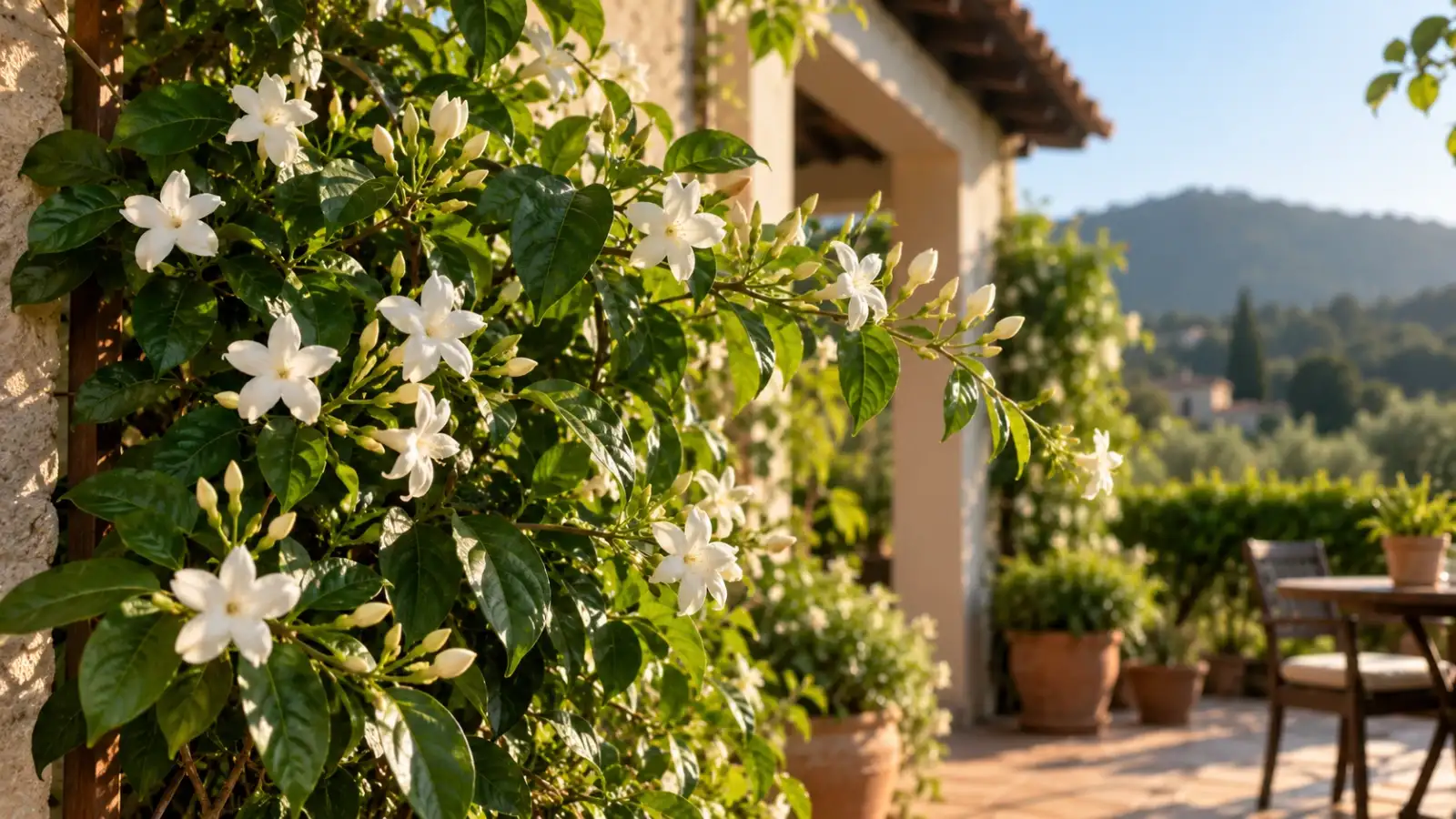
Plant training is different from forcing a plant into an unnatural shape. The aim is usually to work with the plant's existing growth habit and encourage branches or stems to follow a particular direction. This can create attractive features while keeping the garden feeling soft and natural.
From climbing plants that can form arches to flexible shrubs that can be guided around frames, these eight plants can become living features with a little patience.
As it matures, the plant can form a broad canopy, creating a tunnel-like effect beneath it. Its twisting stems also add interest during periods when it is not flowering.
Wisteria is vigorous, so strong support and regular pruning are important. Training young stems in the direction you want is generally easier than trying to reshape an established plant.
Training stems horizontally can encourage more flowering shoots along the length of the branch. This can create a fuller display while giving the plant a graceful structure.
Different climbing rose varieties have different growth habits, so choose one that suits the size and shape of the support available.
Young branches can be guided around a frame while they are still flexible. As they mature, they become more woody and difficult to move.
Because bougainvillea can become vigorous and thorny, careful pruning and suitable support are important when creating a shaped feature.
The plant's naturally climbing habit means it can be encouraged to follow curved structures rather than simply growing in one direction. Depending on the species, jasmine can also provide fragrant flowers that make a trained arch particularly enjoyable.
A regular light trim can help maintain the desired shape and prevent the plant from becoming too tangled.
Instead of allowing every stem to grow randomly, gardeners can gently position selected shoots along the support. Over time, the foliage can form a continuous green structure.
Its evergreen nature in suitable climates can also make it useful when you want a shaped garden feature that remains attractive for much of the year.
Ficus plants are often used for bonsai and other forms of ornamental training because their growth can be managed through pruning and shaping.
The exact technique depends heavily on the species. Young growth should be handled carefully, and the plant should be given suitable light, water and growing conditions to avoid unnecessary stress.
Young willow rods can be guided into curves and woven together while they are still pliable. With time, the structure can become an unusual living feature.
Willows generally prefer moist conditions, so they are best suited to gardens where their water requirements can be met.
Unlike formal topiary, hazel structures can have an informal appearance. The result can look more like an extension of the surrounding landscape than a carefully manufactured garden ornament.
Regular cutting and weaving can help maintain the desired form. Hazel is particularly useful in cottage-style, woodland and wildlife-friendly gardens.
Soft ties are generally preferable to tight wire because they allow the stem to expand as it grows. Check ties regularly and loosen or reposition them if they begin to cut into the plant.
Pruning can also help direct energy towards selected branches. Remove unwanted growth carefully rather than making large cuts all at once, particularly if you are still learning how the plant responds.
The support itself should be strong enough for the mature plant. A lightweight frame may work when a plant is small but could become unstable as the stems and foliage become heavier.
Climbers can follow arches, flexible stems can be woven into screens and young branches can be encouraged to curve around supports. Over time, the plant becomes the structure rather than simply covering it.
Training plants is therefore as much about patience as gardening technique. The shape develops gradually, sometimes over several growing seasons, but the result can become one of the most distinctive features in a garden.
Plant training is different from forcing a plant into an unnatural shape. The aim is usually to work with the plant's existing growth habit and encourage branches or stems to follow a particular direction. This can create attractive features while keeping the garden feeling soft and natural.
From climbing plants that can form arches to flexible shrubs that can be guided around frames, these eight plants can become living features with a little patience.
1. Wisteria
Wisteria is one of the most impressive plants for creating natural garden shapes . Its long, flexible stems can be trained over pergolas, arches and sturdy supports.As it matures, the plant can form a broad canopy, creating a tunnel-like effect beneath it. Its twisting stems also add interest during periods when it is not flowering.
Wisteria is vigorous, so strong support and regular pruning are important. Training young stems in the direction you want is generally easier than trying to reshape an established plant.
2. Climbing Roses
Climbing roses can be trained to grow across arches, fences and trellises. Their flexible stems can be gently tied to supports, allowing gardeners to create sweeping shapes rather than simply letting the plant grow upwards.Training stems horizontally can encourage more flowering shoots along the length of the branch. This can create a fuller display while giving the plant a graceful structure.
Different climbing rose varieties have different growth habits, so choose one that suits the size and shape of the support available.
3. Bougainvillea
Bougainvillea is a popular choice for warm climates because its flexible growth can be trained over walls, arches and pergolas. Its colourful bracts can create a dramatic display once the plant becomes established.Young branches can be guided around a frame while they are still flexible. As they mature, they become more woody and difficult to move.
Because bougainvillea can become vigorous and thorny, careful pruning and suitable support are important when creating a shaped feature.
4. Jasmine
Jasmine can be trained along trellises, arches and fences to create a living screen. Its slender stems are relatively easy to guide when young.The plant's naturally climbing habit means it can be encouraged to follow curved structures rather than simply growing in one direction. Depending on the species, jasmine can also provide fragrant flowers that make a trained arch particularly enjoyable.
A regular light trim can help maintain the desired shape and prevent the plant from becoming too tangled.
5. Star Jasmine
Star jasmine is another useful climbing plant for creating soft, natural shapes. Its dense foliage can cover supports effectively, making it suitable for arches, pergolas and screens.Instead of allowing every stem to grow randomly, gardeners can gently position selected shoots along the support. Over time, the foliage can form a continuous green structure.
Its evergreen nature in suitable climates can also make it useful when you want a shaped garden feature that remains attractive for much of the year.
6. Ficus
Several ficus species can be trained into decorative forms, particularly when grown in containers or as young plants. Flexible stems can sometimes be braided, curved or guided around supports while they are still developing.Ficus plants are often used for bonsai and other forms of ornamental training because their growth can be managed through pruning and shaping.
The exact technique depends heavily on the species. Young growth should be handled carefully, and the plant should be given suitable light, water and growing conditions to avoid unnecessary stress.
7. Willow
Willow is particularly well suited to creating living structures because many species have flexible young stems. Gardeners can weave or bend these stems to create arches, tunnels, screens and even simple living fences.Young willow rods can be guided into curves and woven together while they are still pliable. With time, the structure can become an unusual living feature.
Willows generally prefer moist conditions, so they are best suited to gardens where their water requirements can be met.
You may also like
- Smoking Increases Death Risk by 55% in Diabetes Patients
- 600-year-old Hindu temple in Rajasthan has a Muslim priest; family that came from Sindh has been serving the Hindu goddess for 14 generations: The story of Jodhpur's Bagoria Mataji Mandir
- Why Mahabharata Has Stories Inside Other Stories
- Expectation of at least ₹58,000 pension; another major 8th Pay Commission meeting tomorrow
- Whitening Toothpaste for White Teeth: Can It Really Remove Teeth Stains or Just Brighten Your Smile?
8. Hazel
Hazel is another traditional choice for natural garden structures . Its young stems are flexible enough to be woven into low fences, arches and decorative supports.Unlike formal topiary, hazel structures can have an informal appearance. The result can look more like an extension of the surrounding landscape than a carefully manufactured garden ornament.
Regular cutting and weaving can help maintain the desired form. Hazel is particularly useful in cottage-style, woodland and wildlife-friendly gardens.
How to Train Plants Into Natural Shapes
The process is usually easier when training begins while stems are young and flexible. Choose a healthy plant and decide what shape you want before attaching anything.Soft ties are generally preferable to tight wire because they allow the stem to expand as it grows. Check ties regularly and loosen or reposition them if they begin to cut into the plant.
Pruning can also help direct energy towards selected branches. Remove unwanted growth carefully rather than making large cuts all at once, particularly if you are still learning how the plant responds.
The support itself should be strong enough for the mature plant. A lightweight frame may work when a plant is small but could become unstable as the stems and foliage become heavier.
Let the Plant Lead the Design
The most attractive natural shapes often come from combining gentle guidance with the plant's own growth habit. A completely rigid design can look unnatural, while a little freedom allows the final form to develop character.Climbers can follow arches, flexible stems can be woven into screens and young branches can be encouraged to curve around supports. Over time, the plant becomes the structure rather than simply covering it.
Training plants is therefore as much about patience as gardening technique. The shape develops gradually, sometimes over several growing seasons, but the result can become one of the most distinctive features in a garden.






Loving Newspoint? Download the app now
