
Climate Anxiety: How Young People Are Coping with Environmental Doom

As the effects of climate change become more visible and severe, a growing number of young people are experiencing what experts now term " climate anxiety ." This refers to the chronic fear or emotional distress associated with the perceived threat of environmental disaster. From floods and wildfires to rising sea levels and extreme temperatures, the overwhelming nature of the crisis has led many young individuals to feel helpless, angry, and anxious about their future.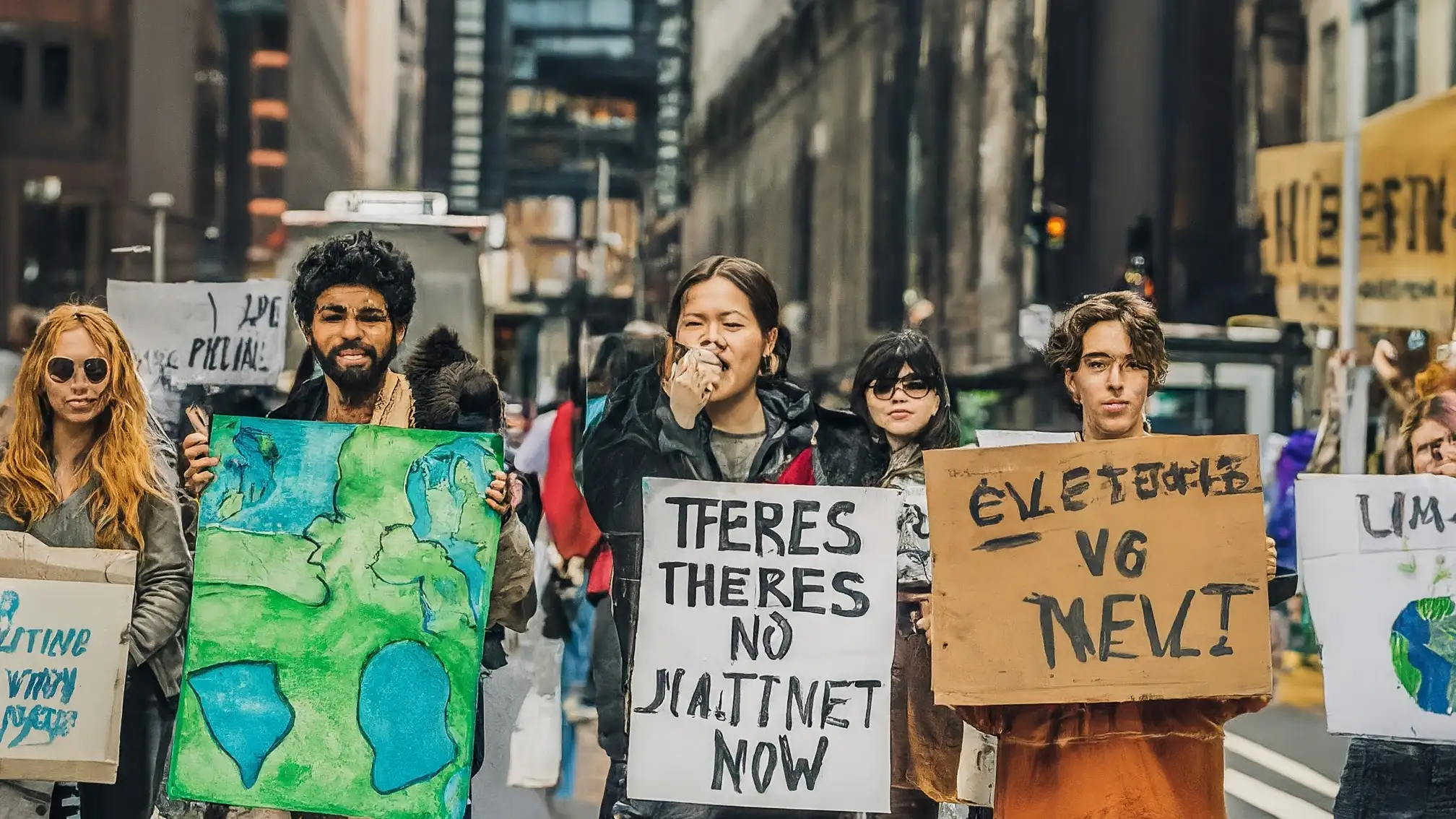
Climate anxiety is not simply a passing concern—it is a legitimate mental health issue affecting millions of youth around the globe. While this fear is rooted in reality, it can also take a significant toll on emotional wellbeing, particularly when not addressed constructively.
Surveys in various countries reveal that more than 60 percent of young people feel very worried about climate change. Many say these fears affect their daily lives and even their decision-making related to careers, travel, and whether to have children.
In severe cases, it may even lead to “climate grief,” a deep sadness over environmental loss and the future of the planet.
Climate anxiety may be a new and daunting challenge, but it is also a sign of deep care and awareness. By fostering resilience, encouraging education, and enabling collective action, we can help young people transform their eco-anxiety into empowered environmental stewardship. Rather than viewing climate fear as a weakness, it can become a driving force for a better, more sustainable future.
Climate anxiety is not simply a passing concern—it is a legitimate mental health issue affecting millions of youth around the globe. While this fear is rooted in reality, it can also take a significant toll on emotional wellbeing, particularly when not addressed constructively.
What Is Climate Anxiety?
Climate anxiety, sometimes called eco-anxiety , is defined as a persistent worry about environmental collapse. It is not considered a clinical disorder but is recognised by mental health professionals as a significant stressor. For young people, who are not only inheriting the consequences of environmental degradation but are often powerless to effect systemic change, the anxiety can be even more intense.Surveys in various countries reveal that more than 60 percent of young people feel very worried about climate change. Many say these fears affect their daily lives and even their decision-making related to careers, travel, and whether to have children.
Why Is Climate Anxiety Rising Among Youth?
Several factors contribute to the rise of climate anxiety among younger generations:- Constant Exposure to Alarming News: Through social media and news feeds, young people are bombarded with images of disaster and headlines predicting ecological collapse.
- Lack of Political Action: Many young people feel frustrated by the lack of urgent policy changes and government inaction on climate.
- Sense of Responsibility: Unlike previous generations, Gen Z and Millennials are often more aware and educated about sustainability, leading to a sense of personal obligation.
- Uncertain Future: Fears about job markets, housing, health, and overall quality of life under worsening climate conditions fuel long-term anxiety.
The Psychological Impact of Eco-Dread
Unchecked climate anxiety can manifest in several mental health challenges, including:- Chronic stress and fatigue
- Depression or feelings of hopelessness
- Social withdrawal or isolation
- Panic attacks or obsessive behaviours around climate-related topics
In severe cases, it may even lead to “climate grief,” a deep sadness over environmental loss and the future of the planet.
How Young People Are Coping
Despite the challenges, many young individuals are actively developing strategies to manage their eco-anxiety and channel their concerns into meaningful action.1. Activism and Advocacy
Joining environmental groups and participating in climate strikes or local sustainability campaigns help young people feel less helpless. Being part of a movement creates a sense of community and shared purpose.2. Climate Education
Understanding the science behind climate change empowers youth to make informed decisions and separate sensationalism from facts. Education can replace fear with a sense of agency.3. Therapy and Mental Health Support
More therapists are now incorporating climate-related anxiety into their practice. Young people are turning to mental health professionals who specialise in eco-psychology to process their emotions in a safe space.You may also like
- Oats and green vegetables help in weight loss by controlling appetite
- What Happens When You Eat 1 Pomegranate Daily, 6 Powerful Health Benefits
- Taking Medicines After Drinking Alcohol, Top Doctors Warn of Deadly Liver and Heart Risks
- Can Protein Shakes Alone Build Muscle, Bust Superfood Myths and Expensive Fitness Fads
- This country is paying people to read books for 15 minutes: Here's how the scheme works and why it was launched
4. Digital Detox and Nature Exposure
Reducing time spent doom-scrolling online and reconnecting with nature has proven to be effective in lowering stress. Even simple activities like gardening, hiking, or spending time outdoors can promote healing.5. Mindfulness and Journaling
Practices like meditation, deep breathing, and journaling help individuals acknowledge and process their emotions without being overwhelmed. These techniques can improve mental clarity and reduce anxiety over time.The Role of Families and Educators
Parents and teachers can play a critical role in helping young people manage climate anxiety. Encouraging open conversations, validating their concerns, and guiding them toward constructive action can make a significant difference. Schools can also integrate climate education in a balanced way that informs without inciting fear.What Governments and Media Should Do
While personal coping strategies are important, real change must also come from systemic levels. Governments need to implement stronger climate policies and provide platforms for youth participation. Media outlets, on the other hand, should adopt a more solutions-based approach, highlighting positive stories and innovation in the fight against climate change.Hope as an Antidote to Anxiety
Despite the grim realities, hope remains a powerful counter to anxiety. The rise of green technologies, growing awareness, and global youth-led movements all signal a shifting tide. More young people are turning their anxiety into activism, pushing for change, and innovating sustainable solutions.Climate anxiety may be a new and daunting challenge, but it is also a sign of deep care and awareness. By fostering resilience, encouraging education, and enabling collective action, we can help young people transform their eco-anxiety into empowered environmental stewardship. Rather than viewing climate fear as a weakness, it can become a driving force for a better, more sustainable future.






Loving Newspoint? Download the app now
