
How Rooftop Gardening Can Solve Urban Food and Air Problems

Cities around the world are facing a double-edged crisis: food insecurity and increasing air pollution. As urban populations grow, concrete landscapes continue to expand, leaving little space for greenery . The results are evident—poor air quality, rising temperatures, and limited access to fresh, organic produce. In the midst of this challenge, rooftop gardening has emerged as a sustainable and practical solution.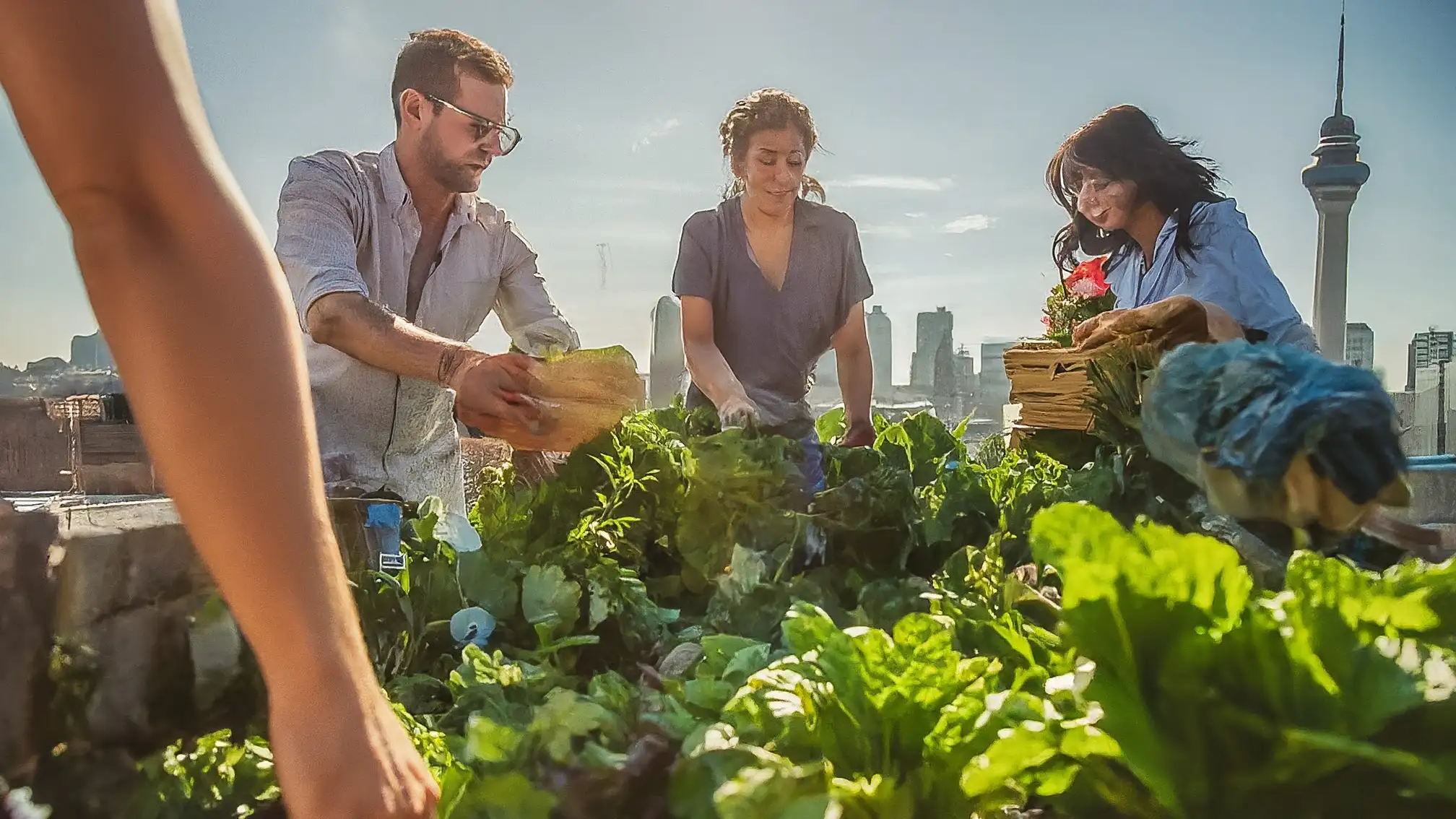
By converting unused rooftops into green spaces, residents and building owners are addressing two critical urban issues at once. Not only do rooftop gardens purify the air and lower temperatures, but they also allow people to grow fresh fruits, vegetables, and herbs in the heart of the city.
Whether for leisure, food production, or ecological benefit, rooftop gardening brings nature back into urban environments where ground space is scarce.
Plants are natural air purifiers. They absorb pollutants, produce oxygen, and act as carbon sinks. A rooftop garden filled with diverse plant species can significantly improve the microclimate of a building, reducing heat and filtering air.
Rooftop gardening allows individuals and communities to grow food locally. It not only provides access to fresh, organic produce but also promotes food literacy and self-reliance.
High initial setup costs for advanced systems
Maintenance and regular watering
Pest control without chemicals
Lack of awareness and community support
These issues can be overcome with planning, education, and cooperation between building residents and civic bodies.
Rooftop gardens should not be a luxury but a standard part of sustainable urban living.
Rooftop gardening is more than a trend—it’s a necessity for sustainable urban living. By transforming unused roof spaces into productive green zones, we can combat air pollution, grow fresh food, and reclaim our connection to nature. In the face of climate change and environmental degradation, rooftop gardens offer a hopeful and practical path forward.
As more citizens embrace this green movement, cities can become cleaner, cooler, and more self-reliant. The rooftop garden revolution is not just about planting seeds in soil—it’s about planting the future.
By converting unused rooftops into green spaces, residents and building owners are addressing two critical urban issues at once. Not only do rooftop gardens purify the air and lower temperatures, but they also allow people to grow fresh fruits, vegetables, and herbs in the heart of the city.
What Is Rooftop Gardening?
Rooftop gardening refers to the practice of growing plants on the terraces or rooftops of buildings. These gardens may range from simple pots with herbs to fully developed greenhouses and hydroponic systems. Rooftop gardens can be personal, community-based, or even commercial, depending on the scale and intent.Whether for leisure, food production, or ecological benefit, rooftop gardening brings nature back into urban environments where ground space is scarce.
Air Pollution in Cities: A Growing Concern
Urban areas are major contributors to air pollution. Vehicular emissions, industrial activity, and construction dust contribute to poor air quality that affects millions of people. According to WHO, many cities exceed the safe levels of particulate matter, resulting in respiratory problems, allergies, and other health issues.Plants are natural air purifiers. They absorb pollutants, produce oxygen, and act as carbon sinks. A rooftop garden filled with diverse plant species can significantly improve the microclimate of a building, reducing heat and filtering air.
Urban Food Insecurity: A Silent Crisis
Another hidden consequence of rapid urbanisation is the loss of agricultural land. As farmland is replaced by buildings, cities become increasingly dependent on external sources for food. This leads to longer supply chains, increased carbon emissions, and rising food costs.Rooftop gardening allows individuals and communities to grow food locally. It not only provides access to fresh, organic produce but also promotes food literacy and self-reliance.
Benefits of Rooftop Gardening
1. Improves Air Quality
Plants on rooftops act as natural air filters. They absorb carbon dioxide and other harmful gases while releasing oxygen. Leafy plants, creepers, and trees can help reduce particulate matter and offer relief from urban smog.2. Reduces Urban Heat
Concrete rooftops absorb heat and contribute to the “urban heat island” effect. Rooftop gardens reduce surface temperature, cool the environment, and lower the need for air conditioning, which further cuts energy use.3. Enhances Food Security
By growing fruits, vegetables, and herbs on rooftops, residents can ensure a steady supply of nutritious food. This is particularly useful during disruptions in food supply or inflation.4. Boosts Mental Health
Green spaces have a calming effect on the mind. Gardening reduces stress, improves focus, and promotes emotional well-being. For urban dwellers who have limited interaction with nature, rooftop gardens offer a peaceful retreat.5. Utilises Waste and Rainwater
Many rooftop gardens use compost made from kitchen waste and collect rainwater for irrigation. This promotes circular living and reduces pressure on municipal systems.6. Creates Jobs and Learning Opportunities
Community rooftop gardens can offer employment and serve as learning spaces for students and urban farming enthusiasts. They help develop skills in organic farming, composting, and sustainable living.How to Start a Rooftop Garden
Assess the Rooftop
Before setting up a garden, consult a structural engineer to ensure that the building can bear the weight of soil, water, and plants. Check for waterproofing and drainage systems to prevent leakage.Choose Your Gardening Style
- Container gardening: Use pots, grow bags, or vertical planters.
- Raised beds: Ideal for larger rooftops. Beds can be constructed with bricks, wood, or recycled material.
- Hydroponics: Soil-less systems that use nutrient solutions. Great for high-yield in limited space.
- Green roofs: A fully integrated roof garden with soil, drainage layers, and insulation.
Select the Right Plants
Start with easy-to-grow vegetables like tomatoes, spinach, chillies, and herbs like basil and mint. Native plants and climbers can help with shade and insulation.Use Organic Practices
Avoid chemical fertilisers and pesticides. Use compost, natural manure, neem oil, and vermicompost for healthy and safe produce.Plan for Irrigation
Install drip irrigation or reuse kitchen wastewater for watering. Rainwater harvesting systems can also be connected to reduce dependence on municipal water.Challenges in Rooftop Gardening
While rooftop gardening offers numerous benefits, it comes with its share of challenges:- Load-bearing capacity of rooftops
You may also like
- How the Malabar Pit Viper Uses Infrared Sensing to Hunt in Total Darkness in the Ghats
- The King Cobra Builds a Nest and Guards Her Eggs, No Other Snake on Earth Does This
- India's Common Krait Bites at Night and Its Venom Is So Painless Victims Sleep Through the Snakebite
- 5 Ways to Say No to Your Boss Without Refusing Anything Outright at the Workplace
- How to Write a Professional Work Email That Gets a Reply the Same Day, Not Next Week
Policy Support and Urban Planning
Several Indian cities like Mumbai, Bengaluru, and Delhi have started recognising the potential of rooftop gardening. Municipal bodies are offering incentives, workshops, and subsidies for urban farming. Policymakers must integrate rooftop gardening into housing policies, smart city planning, and environmental regulations.Rooftop gardens should not be a luxury but a standard part of sustainable urban living.
Rooftop gardening is more than a trend—it’s a necessity for sustainable urban living. By transforming unused roof spaces into productive green zones, we can combat air pollution, grow fresh food, and reclaim our connection to nature. In the face of climate change and environmental degradation, rooftop gardens offer a hopeful and practical path forward.
As more citizens embrace this green movement, cities can become cleaner, cooler, and more self-reliant. The rooftop garden revolution is not just about planting seeds in soil—it’s about planting the future.






Loving Newspoint? Download the app now
