
Travel Europe The Cheap Way: A Practical Budget Guide

Dreaming of a European vacation but worried about the costs? Don’t worry—exploring Europe on a budget is very much possible with smart planning and the right choices. From low-cost transport to affordable stays, there are countless ways to make your European adventure both memorable and wallet-friendly. Here’s your ultimate guide to planning a budget-friendly trip to Europe without compromising on experience.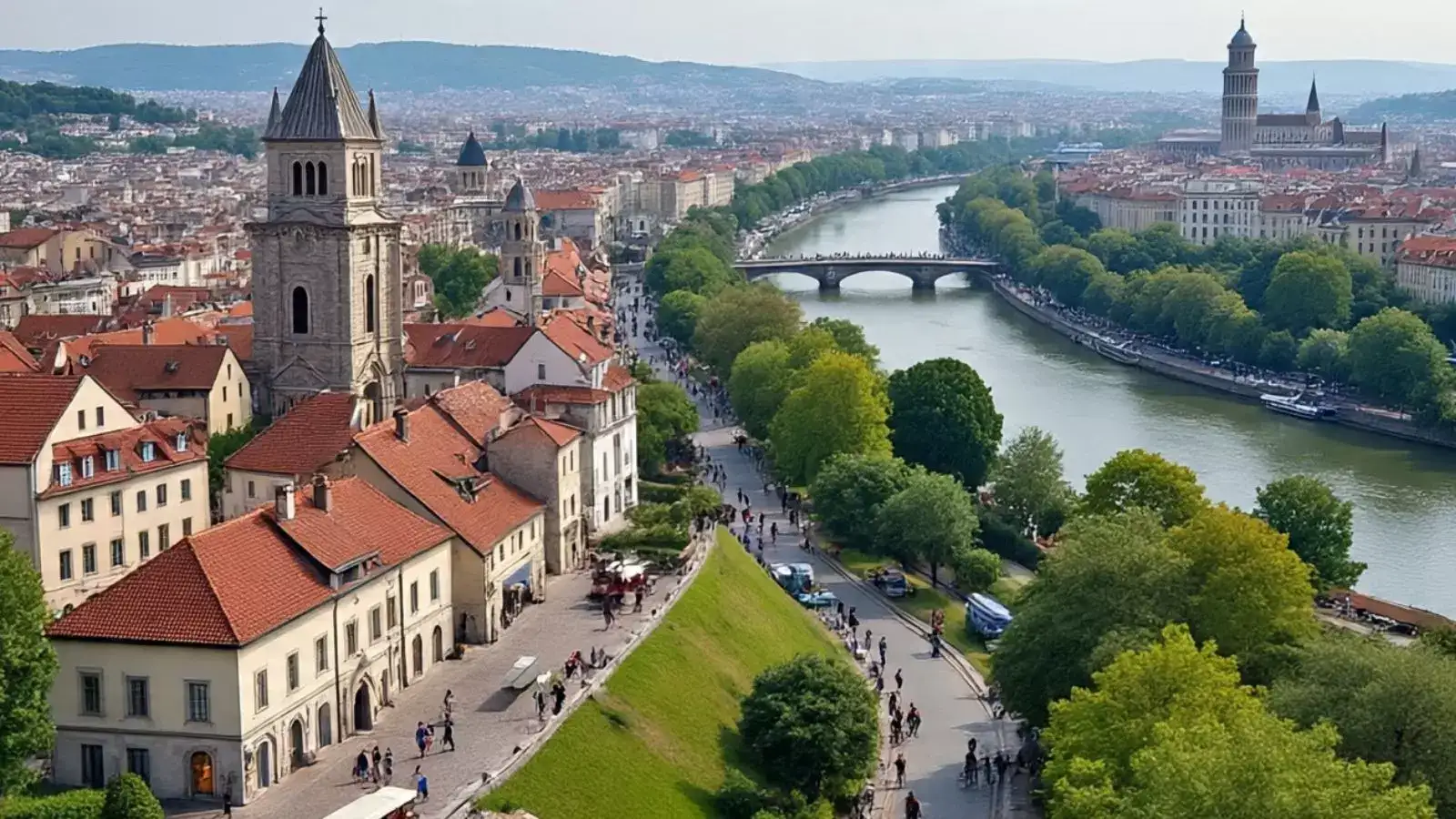
1. Choose Budget-Friendly Countries
While countries like Switzerland and Norway are famously expensive, Eastern and Central Europe offer stunning experiences at a fraction of the cost. Think Poland, Hungary, Czech Republic, Portugal, and Romania. These destinations are rich in culture, architecture, and food without burning a hole in your pocket.
2. Travel During the Shoulder Season
Avoid peak tourist months like July and August when prices soar. Instead, plan your trip in the shoulder season—April to June or September to early November. Flights, accommodation, and even attractions are often cheaper during this time, and the weather is still pleasant.
3. Book Flights in Advance
Use fare comparison websites like Skyscanner or Google Flights to monitor airfare trends. Booking at least two to three months ahead can get you the best deals. Consider flying into a budget airline hub like Dublin, Barcelona, or Berlin and using cheap inter-Europe airlines for shorter trips.
4. Use Budget Airlines and Rail Passes
Europe’s budget airlines like Ryanair, EasyJet, and Wizz Air offer ultra-low fares—sometimes under €20. Alternatively, consider getting a Eurail Pass if you plan to visit multiple cities by train. It's cost-effective and scenic, especially across Western and Central Europe.
5. Stay in Hostels or Budget Accommodations
Skip fancy hotels and opt for hostels, guesthouses, or Airbnb rentals. Many European hostels now offer private rooms with en-suite bathrooms at reasonable rates. You can also try Couchsurfing for free stays while connecting with locals.
6. Cook Your Own Meals
Eating out in Europe can be expensive, especially in tourist hotspots. Choose accommodations with kitchen access and shop at local markets or supermarkets. Cooking your meals not only saves money but also gives you a taste of local life.
7. Take Free Walking Tours
Many European cities offer free walking tours guided by locals. These tours are insightful, tip-based, and a great way to understand a city’s history and culture without spending much. Just check online or at your hostel reception for schedules.
8. Use City Tourist Cards
Several cities like Paris, Amsterdam, and Vienna offer tourist cards that provide free or discounted access to public transport, museums, and major attractions. If you’re planning to explore extensively, these cards can offer great value.
9. Limit Expensive Attractions
While landmarks like the Eiffel Tower or the Colosseum are worth seeing, you don’t need to pay for every attraction. Europe is rich in free art, parks, historic buildings, and scenic spots. Enjoy the vibe of the cities from the streets, cafes, and public spaces.
10. Travel Light to Save on Costs
Travelling with only a carry-on can save you baggage fees on budget airlines. Packing light also gives you more flexibility and less stress when moving between cities. Remember, laundromats are common and affordable in most parts of Europe.
Travelling to Europe doesn’t have to drain your savings. With smart choices and early planning, you can explore iconic landmarks, indulge in local experiences, and soak in diverse cultures—without overspending. Use this guide to plan a budget-friendly European journey that’s big on adventure and light on your wallet.
1. Choose Budget-Friendly Countries
While countries like Switzerland and Norway are famously expensive, Eastern and Central Europe offer stunning experiences at a fraction of the cost. Think Poland, Hungary, Czech Republic, Portugal, and Romania. These destinations are rich in culture, architecture, and food without burning a hole in your pocket.
2. Travel During the Shoulder Season
Avoid peak tourist months like July and August when prices soar. Instead, plan your trip in the shoulder season—April to June or September to early November. Flights, accommodation, and even attractions are often cheaper during this time, and the weather is still pleasant.
3. Book Flights in Advance
Use fare comparison websites like Skyscanner or Google Flights to monitor airfare trends. Booking at least two to three months ahead can get you the best deals. Consider flying into a budget airline hub like Dublin, Barcelona, or Berlin and using cheap inter-Europe airlines for shorter trips.
4. Use Budget Airlines and Rail Passes
Europe’s budget airlines like Ryanair, EasyJet, and Wizz Air offer ultra-low fares—sometimes under €20. Alternatively, consider getting a Eurail Pass if you plan to visit multiple cities by train. It's cost-effective and scenic, especially across Western and Central Europe.
5. Stay in Hostels or Budget Accommodations
Skip fancy hotels and opt for hostels, guesthouses, or Airbnb rentals. Many European hostels now offer private rooms with en-suite bathrooms at reasonable rates. You can also try Couchsurfing for free stays while connecting with locals.
6. Cook Your Own Meals
Eating out in Europe can be expensive, especially in tourist hotspots. Choose accommodations with kitchen access and shop at local markets or supermarkets. Cooking your meals not only saves money but also gives you a taste of local life.
7. Take Free Walking Tours
Many European cities offer free walking tours guided by locals. These tours are insightful, tip-based, and a great way to understand a city’s history and culture without spending much. Just check online or at your hostel reception for schedules.
8. Use City Tourist Cards
Several cities like Paris, Amsterdam, and Vienna offer tourist cards that provide free or discounted access to public transport, museums, and major attractions. If you’re planning to explore extensively, these cards can offer great value.
9. Limit Expensive Attractions
While landmarks like the Eiffel Tower or the Colosseum are worth seeing, you don’t need to pay for every attraction. Europe is rich in free art, parks, historic buildings, and scenic spots. Enjoy the vibe of the cities from the streets, cafes, and public spaces.
10. Travel Light to Save on Costs
Travelling with only a carry-on can save you baggage fees on budget airlines. Packing light also gives you more flexibility and less stress when moving between cities. Remember, laundromats are common and affordable in most parts of Europe.
Travelling to Europe doesn’t have to drain your savings. With smart choices and early planning, you can explore iconic landmarks, indulge in local experiences, and soak in diverse cultures—without overspending. Use this guide to plan a budget-friendly European journey that’s big on adventure and light on your wallet.
Next Story