
Explore Dholavira in Gujarat: An Ancient Indus Valley City in the Heart of Kutch

Dholavira offers an introduction to the Indus Valley Civilisation in a landscape far removed from a crowded city break. Located on Khadir Bet in Gujarat’s Great Rann of Kutch, the archaeological site is known for its planned settlement, water-management features and remains of an ancient urban centre. The open setting adds to its sense of scale.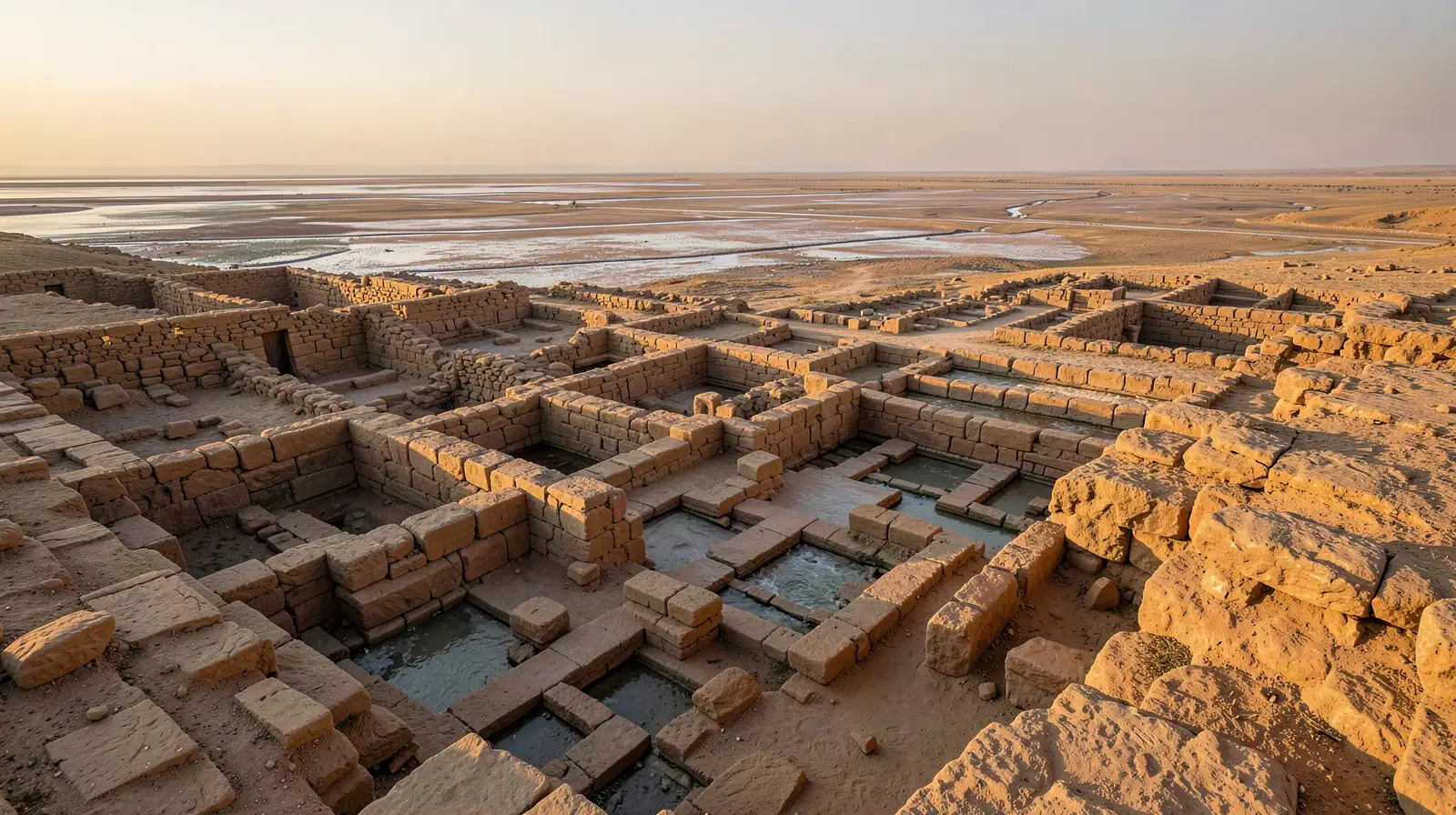
A visit suits travellers who enjoy history, archaeology and quiet landscapes. Because the site is remote and conditions can be harsh, planning matters. Check access arrangements before travelling, carry water and sun protection, and leave enough time to explore without rushing through the remains.
Rather than imagining the site as a single monument, picture a broad archaeological landscape. Different areas help visitors understand how people organised public space, built structures and adapted to local conditions. Interpretive displays, where available, can make the layout easier to follow, so take time to read them instead of moving directly from one visible ruin to another.
The site offers limited shade, so comfortable closed shoes, a hat, sunscreen and drinking water are sensible choices. Avoid climbing on archaeological structures or touching fragile remains. The weather can be demanding, especially during hot periods; early-day visits may be more comfortable, but check local conditions before deciding when to go.
Accommodation choices may be limited close to the site, so book ahead and confirm what is included, including meals and transport. Keep some flexibility in the itinerary for weather and road delays. Dholavira is best approached as a place to observe and learn, not a checklist attraction. Its quiet setting and evidence of sophisticated ancient planning make it memorable for visitors willing to travel at a measured pace.
A visit suits travellers who enjoy history, archaeology and quiet landscapes. Because the site is remote and conditions can be harsh, planning matters. Check access arrangements before travelling, carry water and sun protection, and leave enough time to explore without rushing through the remains.
What makes the site distinctive
Dholavira was one of the important urban centres of the Indus Valley Civilisation. Its excavated remains reveal a carefully organised settlement with fortified sections, reservoirs and other structures associated with water storage and management. These features are especially interesting in a region where water has long been a precious resource.Rather than imagining the site as a single monument, picture a broad archaeological landscape. Different areas help visitors understand how people organised public space, built structures and adapted to local conditions. Interpretive displays, where available, can make the layout easier to follow, so take time to read them instead of moving directly from one visible ruin to another.
Plan for the landscape
Dholavira is reached by road, and journey times depend on the starting point and current road conditions. Arrange transport in advance, particularly if you are travelling independently or visiting outside busy periods. Confirm the opening hours and any entry requirements before setting off, as local arrangements can change.The site offers limited shade, so comfortable closed shoes, a hat, sunscreen and drinking water are sensible choices. Avoid climbing on archaeological structures or touching fragile remains. The weather can be demanding, especially during hot periods; early-day visits may be more comfortable, but check local conditions before deciding when to go.
Make the wider trip worthwhile
Many travellers combine Dholavira with other parts of Kutch, but distances can be longer than they appear on a map. Avoid packing too many stops into one day. If you want to see the salt desert or nearby settlements, build in extra time and verify access conditions for each location.Accommodation choices may be limited close to the site, so book ahead and confirm what is included, including meals and transport. Keep some flexibility in the itinerary for weather and road delays. Dholavira is best approached as a place to observe and learn, not a checklist attraction. Its quiet setting and evidence of sophisticated ancient planning make it memorable for visitors willing to travel at a measured pace.
Next Story