Travel Essentials: Things to Pack for Every Trip

Packing for a trip often becomes a battle between taking too much and forgetting something genuinely important. Clothes are usually easy to remember, but the small practical items can make a much bigger difference once you are away from home. A spare charging cable, copies of important documents, regular medicines or a basic first-aid item can save an otherwise enjoyable trip from unnecessary stress. The ideal travel bag is not the heaviest one. It is the one containing the things that would be difficult, expensive or inconvenient to replace at your destination.
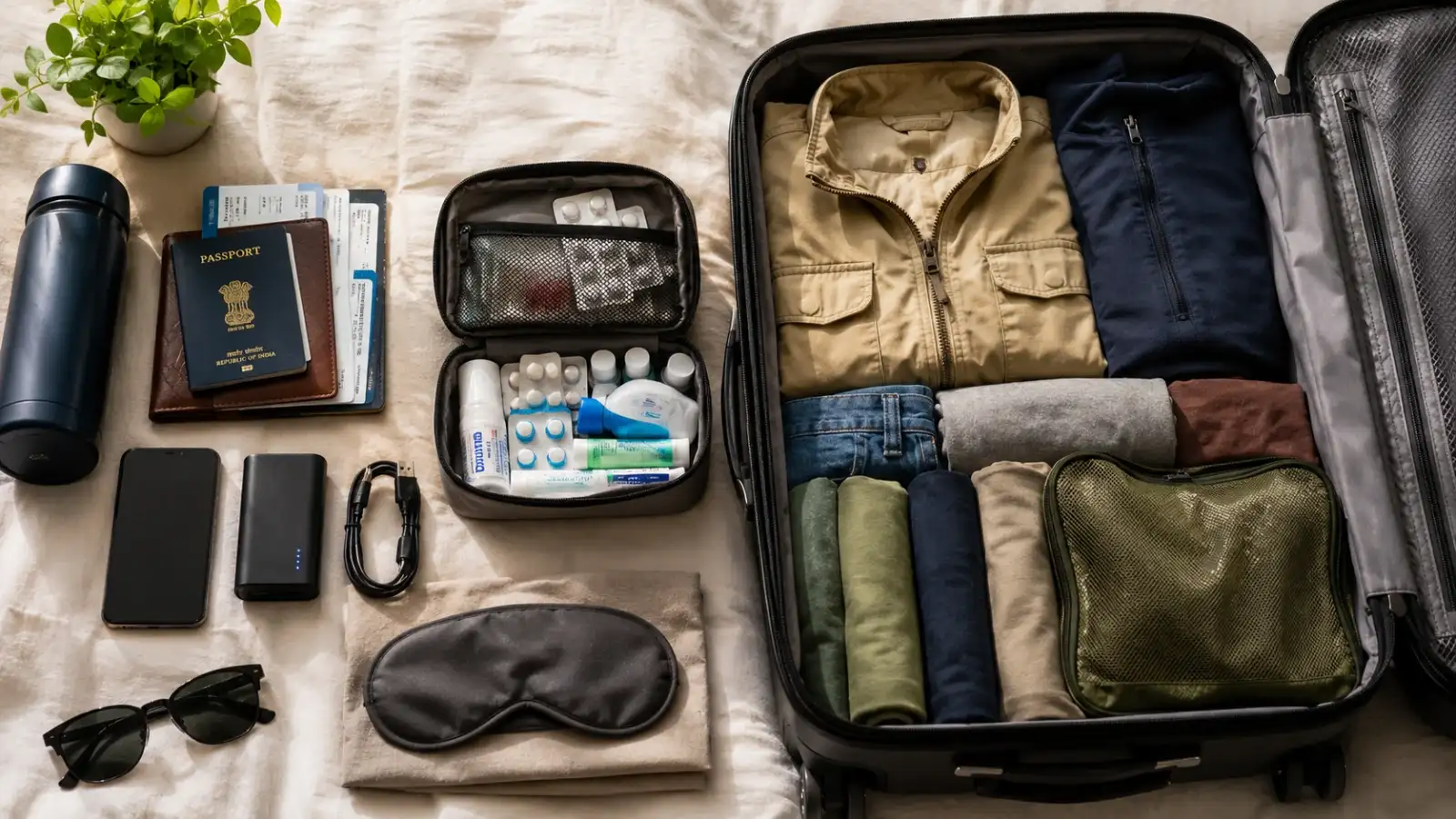
The CDC recommends carrying copies of passports and travel documents, prescriptions, insurance information and other important records.
Store copies separately from the originals so losing one does not mean losing everything.
The CDC advises travellers to prepare a health kit based on destination-specific risks and personal needs.
A compact power bank, charging cable and suitable plug adapter can prevent a low-battery warning from becoming a genuine problem.
If your checked bag is delayed, or you simply spill coffee on your shirt, the extra clothing can save the day.
The important point is to pack according to the destination rather than blindly following a generic list.
Good packing is not about carrying everything you might possibly need. It is about identifying the few things that would be difficult to replace at short notice. Documents, medicines, power, basic hygiene items and destination-specific essentials form the foundation of a sensible travel kit. Once those are covered, packing the rest becomes much easier.
Keep Important Documents Accessible
Carry identification, tickets, accommodation details and important travel documents in both digital and physical form where practical.The CDC recommends carrying copies of passports and travel documents, prescriptions, insurance information and other important records.
Store copies separately from the originals so losing one does not mean losing everything.
Do Not Forget Regular Medicines
If you take prescription medicines, pack enough for the journey and keep them appropriately labelled. A small health kit can also contain basic items appropriate for your destination.The CDC advises travellers to prepare a health kit based on destination-specific risks and personal needs.
Carry a Power Backup
A phone can now function as a ticket wallet, map, camera, payment device and emergency communication tool. That makes battery life surprisingly important.A compact power bank, charging cable and suitable plug adapter can prevent a low-battery warning from becoming a genuine problem.
Pack One Small Emergency Change of Clothes
For flights, train journeys or long road trips, keeping a basic change of clothes in your hand luggage can be surprisingly useful.If your checked bag is delayed, or you simply spill coffee on your shirt, the extra clothing can save the day.
Add Small Items That Suit the Destination
Sunglasses, a reusable water bottle, tissues, hand sanitiser, comfortable footwear and a lightweight rain layer can all be useful depending on the trip.The important point is to pack according to the destination rather than blindly following a generic list.
Good packing is not about carrying everything you might possibly need. It is about identifying the few things that would be difficult to replace at short notice. Documents, medicines, power, basic hygiene items and destination-specific essentials form the foundation of a sensible travel kit. Once those are covered, packing the rest becomes much easier.
Next Story