
How to Pack Smart for a Long Train Trip in India

The platform is crowded, the departure board is flickering, and somewhere in the middle of all that, you have one bag to live out of for the next eighteen hours. What goes in it matters more than most people decide until they are already on the train.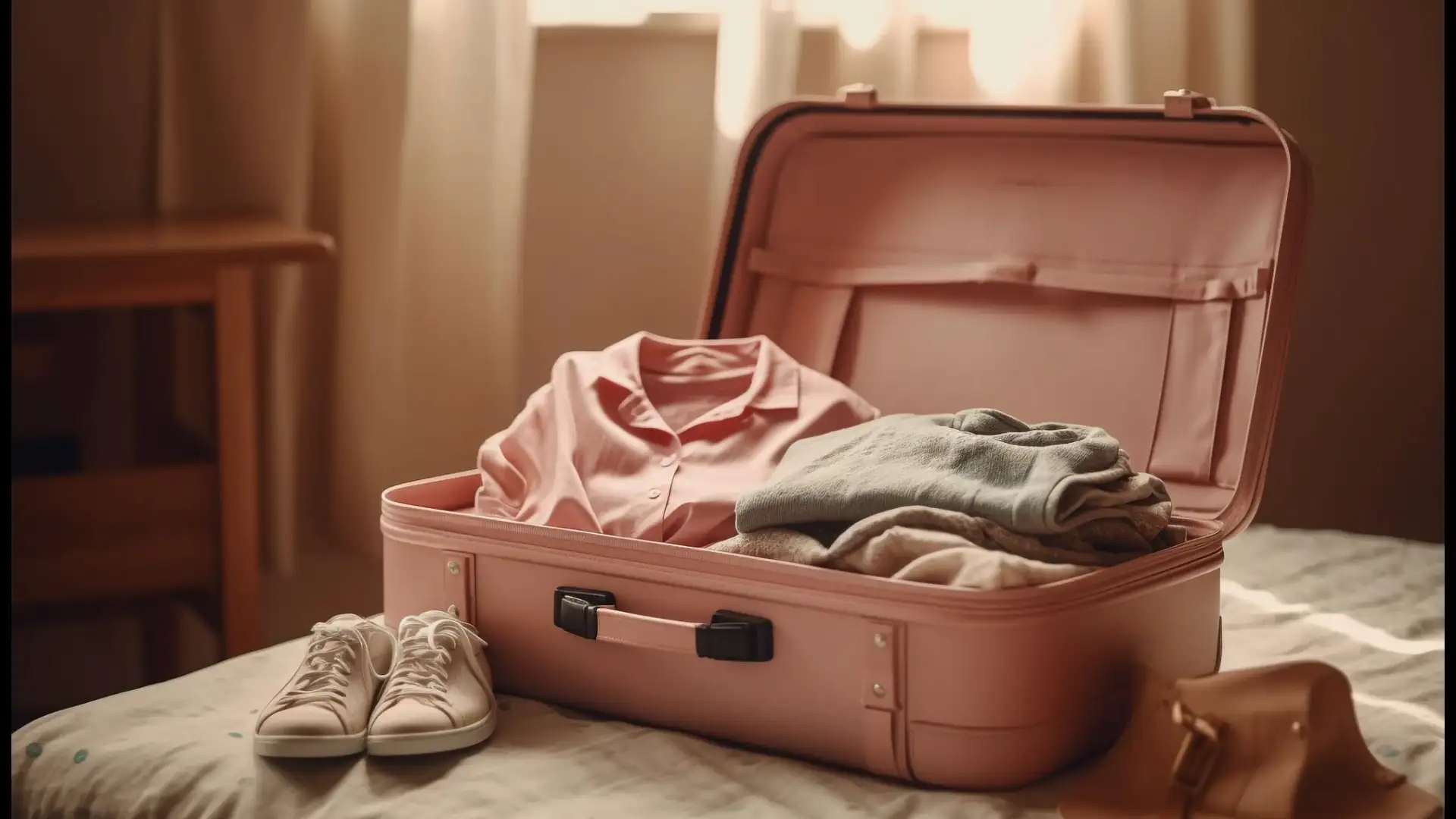
The lock matters. Not a combination lock with a forgotten code, a small brass padlock and a short chain looped through both zips and the berth rung. It will not stop a determined thief, but it stops the opportunistic one, which is the only kind you are likely to meet.
Loose cotton or linen for the day. A light fleece or a shawl for the night. One change of clothes per full day, no more. Compression bags help if you are carrying more than two days' worth. The clothes you travel in should be the ones you are comfortable sleeping in, because on a night train, that is exactly what happens.
Footwear: one pair of slip-ons for the coach, one pair of closed shoes in the bag. The floor of a train coach, even a clean one, is not a place for bare feet.
What travels well, roasted chana, murmura, dry namkeen, a couple of home-made parathas wrapped in foil, a small container of pickle. What does not, anything with gravy, anything that needs refrigeration, anything with a strong smell in an enclosed space. Your fellow passengers will remember the smell long after you have forgotten it.
Water is the most important thing in the bag. Two litres minimum at boarding. Sealed bottles from a known brand at the platform, not from an unlicensed vendor on the train. A small insulated bottle keeps water cool through the afternoon stretch without needing ice.
A travel pillow is worth carrying if you are in a sleeper class coach where the berth pillow is not provided. In AC coaches, a pillowcase from home over the provided pillow is a small comfort that costs nothing. Earplugs are not optional on a train with 72 berths. A sleeping mask matters if you are in a lower or middle berth where the coach lights stay on through the night.
A small torch or the habit of keeping your phone accessible at night, the coach goes dark between stations and the floor between berths is an obstacle course of bags and shoes.
Wet wipes and a small hand sanitiser. The train toilet is what it is, and the handwash dispenser is often empty. A few newspaper sheets or a thin plastic bag for rubbish, because the dustbin in the coach fills quickly and a clean berth is your own responsibility.
One book or a downloaded playlist. Long train journeys reward people who have something to do that does not need the internet, because the network drops every time the train enters a tunnel or a rural stretch.
The things that do not earn their weight: a full-size towel, more than two pairs of shoes, a laptop unless work requires it, any gadget that needs its own charger and cable. Every extra thing is something to watch, carry, and account for at the other end. The train does the moving. Your job is to arrive with less effort than you left with.
The Bag Itself
A hard-shell trolley is the wrong choice for a train. It does not slide under a berth, it scratches every shin in the aisle, and it earns you the quiet resentment of everyone in your coach. A soft duffel or a medium backpack with a frame fits under the lower berth, sits on the luggage rack above, and costs you nothing in goodwill. One bag is almost always enough for a journey under three days. Two bags mean two things to watch while you sleep.The lock matters. Not a combination lock with a forgotten code, a small brass padlock and a short chain looped through both zips and the berth rung. It will not stop a determined thief, but it stops the opportunistic one, which is the only kind you are likely to meet.
Clothes and Layers
Trains in India run through every climate in one journey. The Rajdhani out of Delhi in October is cold enough at 2 a.m. that the blanket the railway provides will not be enough on its own. The afternoon stretch through Rajasthan is warm even with the AC running. Pack one layer you can add and one you can remove.Loose cotton or linen for the day. A light fleece or a shawl for the night. One change of clothes per full day, no more. Compression bags help if you are carrying more than two days' worth. The clothes you travel in should be the ones you are comfortable sleeping in, because on a night train, that is exactly what happens.
Footwear: one pair of slip-ons for the coach, one pair of closed shoes in the bag. The floor of a train coach, even a clean one, is not a place for bare feet.
Food and Water
Pantry car food on Indian trains has improved considerably, but it is not consistent across routes or zones. The safest approach is to carry enough for the first meal after boarding and to treat everything after that as a bonus.What travels well, roasted chana, murmura, dry namkeen, a couple of home-made parathas wrapped in foil, a small container of pickle. What does not, anything with gravy, anything that needs refrigeration, anything with a strong smell in an enclosed space. Your fellow passengers will remember the smell long after you have forgotten it.
Water is the most important thing in the bag. Two litres minimum at boarding. Sealed bottles from a known brand at the platform, not from an unlicensed vendor on the train. A small insulated bottle keeps water cool through the afternoon stretch without needing ice.
You may also like
- 6 Simple Ways to Make Your Phone Less Distracting
- Patrick Stewart spoke about his 'practically non-existent' relationship with his children before his death: 'I could have done better'
- Meet Ayaan Wadhwa, the 17-year-old Mumbai student who realised his family's cook had no safety net after years of work, he then ran workshops that registered 750 domestic workers for government benefits they never knew about
- A 16th-century Kashmiri poetess fell in love with Sultan Yusuf Shah Chak, but when Akbar sent him into exile, her hearbreak songs became Kashmir's folklore, and a peak in Gurez Valley came to bear her name; meet Habba Khatoon, the 'Nightingale of Kashmir'
- Neonatal Seizures: What Parents Should Know
Sleep and Comfort
The railway blanket exists. It is thin. On an overnight journey in the winter months or through the Deccan plateau at altitude, it is not enough on its own. A thin travel blanket or a large dupatta folded twice solves this without adding meaningful weight.A travel pillow is worth carrying if you are in a sleeper class coach where the berth pillow is not provided. In AC coaches, a pillowcase from home over the provided pillow is a small comfort that costs nothing. Earplugs are not optional on a train with 72 berths. A sleeping mask matters if you are in a lower or middle berth where the coach lights stay on through the night.
The Small Things That Earn Their Weight
A power bank, fully charged before you leave. Train sockets exist and are unreliable. A phone that dies at hour twelve is a long way from the next working socket.A small torch or the habit of keeping your phone accessible at night, the coach goes dark between stations and the floor between berths is an obstacle course of bags and shoes.
Wet wipes and a small hand sanitiser. The train toilet is what it is, and the handwash dispenser is often empty. A few newspaper sheets or a thin plastic bag for rubbish, because the dustbin in the coach fills quickly and a clean berth is your own responsibility.
One book or a downloaded playlist. Long train journeys reward people who have something to do that does not need the internet, because the network drops every time the train enters a tunnel or a rural stretch.
The things that do not earn their weight: a full-size towel, more than two pairs of shoes, a laptop unless work requires it, any gadget that needs its own charger and cable. Every extra thing is something to watch, carry, and account for at the other end. The train does the moving. Your job is to arrive with less effort than you left with.






Loving Newspoint? Download the app now
