
Unbelievable Sleep Facts That Will Change How You Rest

Sleep is one of the most essential yet mysterious functions of the human body. Despite spending nearly a third of our lives asleep, there are still many bizarre and surprising facts about this vital process. Scientists continue to unravel the complexities of sleep, revealing some truly strange truths. From sleepwalking to dream patterns, sleep’s impact on our bodies and minds goes far beyond simple rest. Here are some of the weirdest and most fascinating facts about sleep that will make you look at your nightly routine in a whole new way.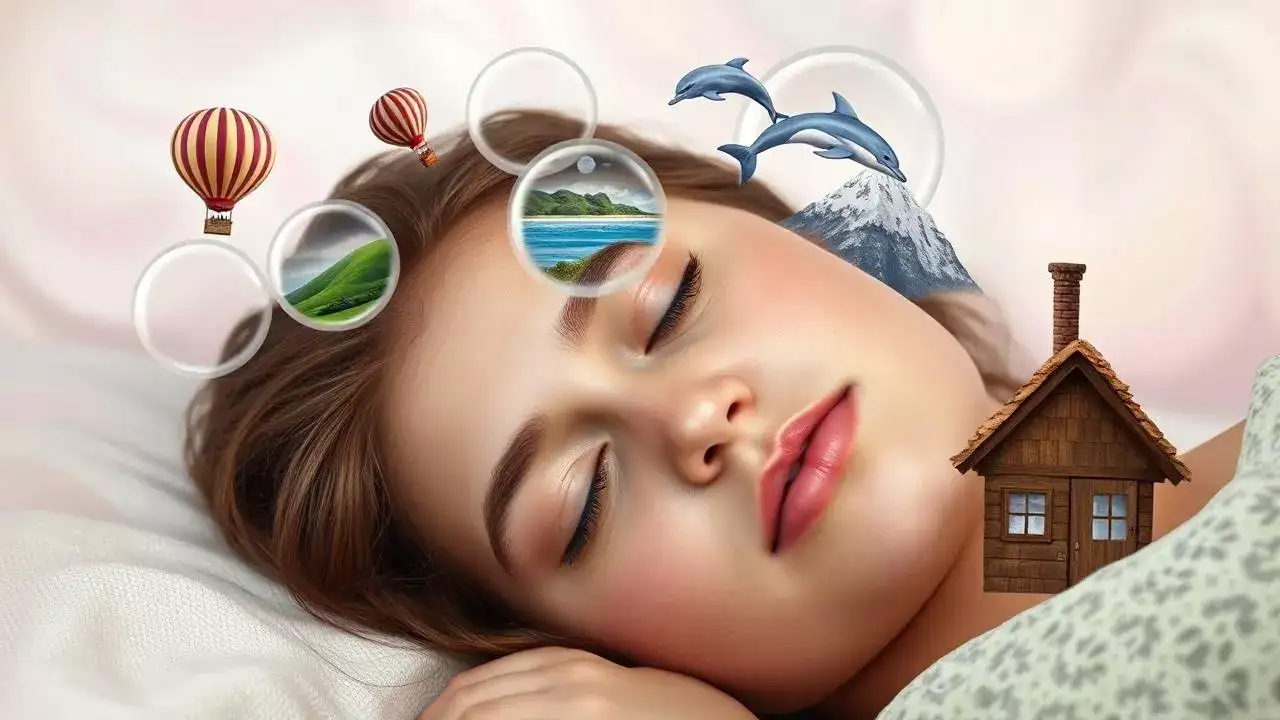
Some People Can Sleep With Their Eyes Open
It may sound like something out of a horror movie, but some people can actually sleep with their eyes partially or fully open. This condition, known as nocturnal lagophthalmos, occurs due to problems with the eyelids or facial nerves. Although the person is technically asleep, their eyes remain open, which can cause dryness and discomfort.
Lack of Sleep Can Make You See Things
Extreme sleep deprivation can lead to hallucinations. When the brain is deprived of rest, it starts to blur the lines between reality and dreams, causing visual and auditory hallucinations. This is why people who experience prolonged insomnia sometimes report seeing or hearing things that aren’t really there.
Your Brain Cleans Itself While You Sleep
During deep sleep , the brain flushes out toxins and waste products through the glymphatic system. This process helps reduce the risk of neurological diseases such as Alzheimer’s. Essentially, sleep acts as a natural ‘deep clean’ for the brain, removing harmful substances that build up throughout the day.
Some People Dream in Black and White
While most people experience vivid, colourful dreams, some individuals dream only in black and white. Studies have shown that this phenomenon is more common among older adults who grew up watching black-and-white television, suggesting that media exposure influences how we dream.
Your Body Becomes Temporarily Paralysed
During REM (rapid eye movement) sleep, the body goes into a state of temporary paralysis. This prevents sleepers from physically acting out their dreams. However, in some cases, this mechanism malfunctions, leading to sleep paralysis—a terrifying experience where a person is awake but unable to move or speak.
You Can Train Yourself to Control Your Dreams
Lucid dreaming is a phenomenon where a person becomes aware that they are dreaming and can sometimes even control the dream’s outcome. With practice, some people can learn techniques to influence their dreams, essentially turning sleep into an interactive experience.
Humans Are the Only Species That Delay Sleep on Purpose
Unlike animals, which sleep whenever their bodies need rest, humans intentionally delay sleep due to work, entertainment, or social activities. This modern habit contributes to widespread sleep deprivation and affects overall health and productivity.
The World Record for Staying Awake Is 11 Days
In 1964, a teenager named Randy Gardner stayed awake for 264 hours—over 11 days—as part of a science experiment. He suffered from hallucinations, mood swings, and memory issues, highlighting the severe effects of sleep deprivation. Scientists now discourage such extreme experiments due to potential long-term damage.
Snoring Can Reach Shocking Sound Levels
Snoring isn’t just a minor nighttime nuisance—it can be as loud as a lawnmower. The loudest recorded snore was measured at 111 decibels, comparable to a rock concert. Chronic snoring can also be a sign of sleep apnoea, a serious sleep disorder that affects breathing.
Your Dreams Can Be Influenced by Your Surroundings
External sounds and scents can shape the content of your dreams. For example, people exposed to pleasant smells while sleeping tend to have positive dreams, while unpleasant odours can lead to nightmares. This phenomenon has led researchers to explore scent-based therapies for improving dream experiences.
Some People Can Sleep With Their Eyes Open
It may sound like something out of a horror movie, but some people can actually sleep with their eyes partially or fully open. This condition, known as nocturnal lagophthalmos, occurs due to problems with the eyelids or facial nerves. Although the person is technically asleep, their eyes remain open, which can cause dryness and discomfort.
Lack of Sleep Can Make You See Things
Extreme sleep deprivation can lead to hallucinations. When the brain is deprived of rest, it starts to blur the lines between reality and dreams, causing visual and auditory hallucinations. This is why people who experience prolonged insomnia sometimes report seeing or hearing things that aren’t really there.
Your Brain Cleans Itself While You Sleep
During deep sleep , the brain flushes out toxins and waste products through the glymphatic system. This process helps reduce the risk of neurological diseases such as Alzheimer’s. Essentially, sleep acts as a natural ‘deep clean’ for the brain, removing harmful substances that build up throughout the day.
Some People Dream in Black and White
While most people experience vivid, colourful dreams, some individuals dream only in black and white. Studies have shown that this phenomenon is more common among older adults who grew up watching black-and-white television, suggesting that media exposure influences how we dream.
Your Body Becomes Temporarily Paralysed
During REM (rapid eye movement) sleep, the body goes into a state of temporary paralysis. This prevents sleepers from physically acting out their dreams. However, in some cases, this mechanism malfunctions, leading to sleep paralysis—a terrifying experience where a person is awake but unable to move or speak.
You Can Train Yourself to Control Your Dreams
Lucid dreaming is a phenomenon where a person becomes aware that they are dreaming and can sometimes even control the dream’s outcome. With practice, some people can learn techniques to influence their dreams, essentially turning sleep into an interactive experience.
Humans Are the Only Species That Delay Sleep on Purpose
Unlike animals, which sleep whenever their bodies need rest, humans intentionally delay sleep due to work, entertainment, or social activities. This modern habit contributes to widespread sleep deprivation and affects overall health and productivity.
The World Record for Staying Awake Is 11 Days
In 1964, a teenager named Randy Gardner stayed awake for 264 hours—over 11 days—as part of a science experiment. He suffered from hallucinations, mood swings, and memory issues, highlighting the severe effects of sleep deprivation. Scientists now discourage such extreme experiments due to potential long-term damage.
Snoring Can Reach Shocking Sound Levels
Snoring isn’t just a minor nighttime nuisance—it can be as loud as a lawnmower. The loudest recorded snore was measured at 111 decibels, comparable to a rock concert. Chronic snoring can also be a sign of sleep apnoea, a serious sleep disorder that affects breathing.
Your Dreams Can Be Influenced by Your Surroundings
External sounds and scents can shape the content of your dreams. For example, people exposed to pleasant smells while sleeping tend to have positive dreams, while unpleasant odours can lead to nightmares. This phenomenon has led researchers to explore scent-based therapies for improving dream experiences.
Next Story