
Why Your Kitchen Sponge Deserves More Attention Than You Think

Most people wipe down their kitchen counters without giving much thought to the sponge in their hand. It looks harmless, smells fine most of the time, and gets replaced every few weeks. Yet food safety experts have repeatedly warned that the average kitchen sponge can become one of the dirtiest objects in a home.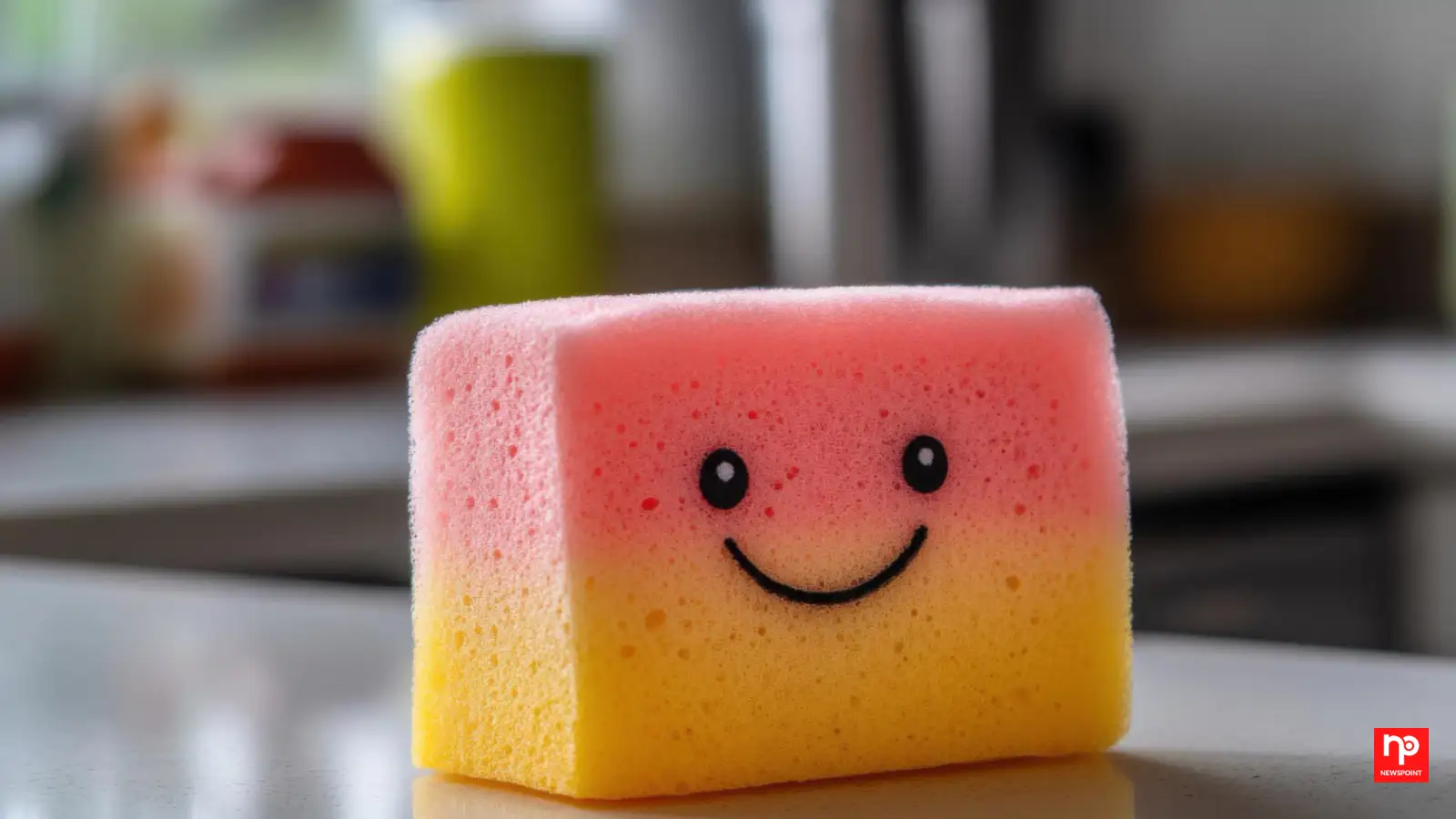
The reason is simple. Sponges stay damp for long periods, collect food particles, and are constantly exposed to bacteria from raw vegetables, meat juices, plates, and worktops. Warm and moist conditions create the perfect environment for microbes to multiply quickly.
Many people assume rinsing a sponge under hot water is enough to clean it. Unfortunately, that rarely removes the deeper build-up hiding inside the material.
Another overlooked habit is leaving the sponge in the sink overnight. Since sinks often stay damp and contain traces of food waste, the sponge absorbs even more bacteria while sitting there.
Even households that clean regularly can unknowingly create hygiene problems through these small routines.
Experts often recommend replacing kitchen sponges every one to two weeks, especially in busy households. Allowing the sponge to dry completely between uses also helps slow bacterial growth.
Some people prefer switching to dish brushes because they dry faster and are easier to clean. Others keep separate cloths for dishes, worktops, and spills to avoid cross-contamination.
Washing cleaning cloths at high temperatures can also reduce bacteria significantly.
Families with children, elderly relatives, or people with weaker immune systems should be especially careful because they are more vulnerable to bacteria-related illnesses.
The surprising part is that many hygiene risks come from objects designed for cleaning. A sponge may look clean on the surface while carrying large amounts of bacteria internally.
Paying attention to small everyday items can quietly improve health and reduce unnecessary illness. Something as ordinary as changing a sponge more regularly may seem insignificant, but it reflects a smarter and more informed approach to daily living.
The reason is simple. Sponges stay damp for long periods, collect food particles, and are constantly exposed to bacteria from raw vegetables, meat juices, plates, and worktops. Warm and moist conditions create the perfect environment for microbes to multiply quickly.
Many people assume rinsing a sponge under hot water is enough to clean it. Unfortunately, that rarely removes the deeper build-up hiding inside the material.
How Everyday Habits Make the Problem Worse
One common mistake is using the same sponge for multiple surfaces. A person may wipe a chopping board after preparing chicken, then use the same sponge on the sink, kitchen counter, and even dining table. This spreads bacteria across different areas without anyone noticing.Another overlooked habit is leaving the sponge in the sink overnight. Since sinks often stay damp and contain traces of food waste, the sponge absorbs even more bacteria while sitting there.
Even households that clean regularly can unknowingly create hygiene problems through these small routines.
Easy Ways to Keep Your Kitchen Safer
Improving kitchen hygiene does not require expensive products or complicated routines. Small changes make a noticeable difference.Experts often recommend replacing kitchen sponges every one to two weeks, especially in busy households. Allowing the sponge to dry completely between uses also helps slow bacterial growth.
Some people prefer switching to dish brushes because they dry faster and are easier to clean. Others keep separate cloths for dishes, worktops, and spills to avoid cross-contamination.
You may also like
- Disease is spreading where the food is being cooked; is the kitchen sink making your children sick, too?
- Why some front garden borders look expensive even with fewer plants?
- Milk Tea or Black Tea Benefits: With or without milk... which tea is more profitable? Learn from the experts.
- Mango Storage Tips: Should mangoes be kept in the refrigerator? Learn the best way to store them.
- Sitting Too Long on the Toilet: Do you find yourself sitting on the toilet for more than 15 minutes?
Washing cleaning cloths at high temperatures can also reduce bacteria significantly.
Why This Matters More Than People Realise
Food poisoning is usually associated with restaurants or takeaway meals, but home kitchens can also become a source of contamination. Mild stomach discomfort, nausea, or digestive problems are sometimes linked to poor food handling habits inside the home.Families with children, elderly relatives, or people with weaker immune systems should be especially careful because they are more vulnerable to bacteria-related illnesses.
The surprising part is that many hygiene risks come from objects designed for cleaning. A sponge may look clean on the surface while carrying large amounts of bacteria internally.
The Bigger Lesson Behind Small Household Habits
Modern life often focuses on visible cleanliness. People vacuum floors, polish furniture, and organise cupboards, but hygiene is not always about appearance. Invisible habits matter just as much.Paying attention to small everyday items can quietly improve health and reduce unnecessary illness. Something as ordinary as changing a sponge more regularly may seem insignificant, but it reflects a smarter and more informed approach to daily living.






More from our partners


Loving Newspoint? Download the app now
