
Why Many People Sleep Poorly Even After Spending Enough Time in Bed

Many people assume that sleeping longer automatically means sleeping better. In reality, sleep quality matters far more than simply counting hours. Someone may spend eight hours in bed and still wake up feeling mentally exhausted.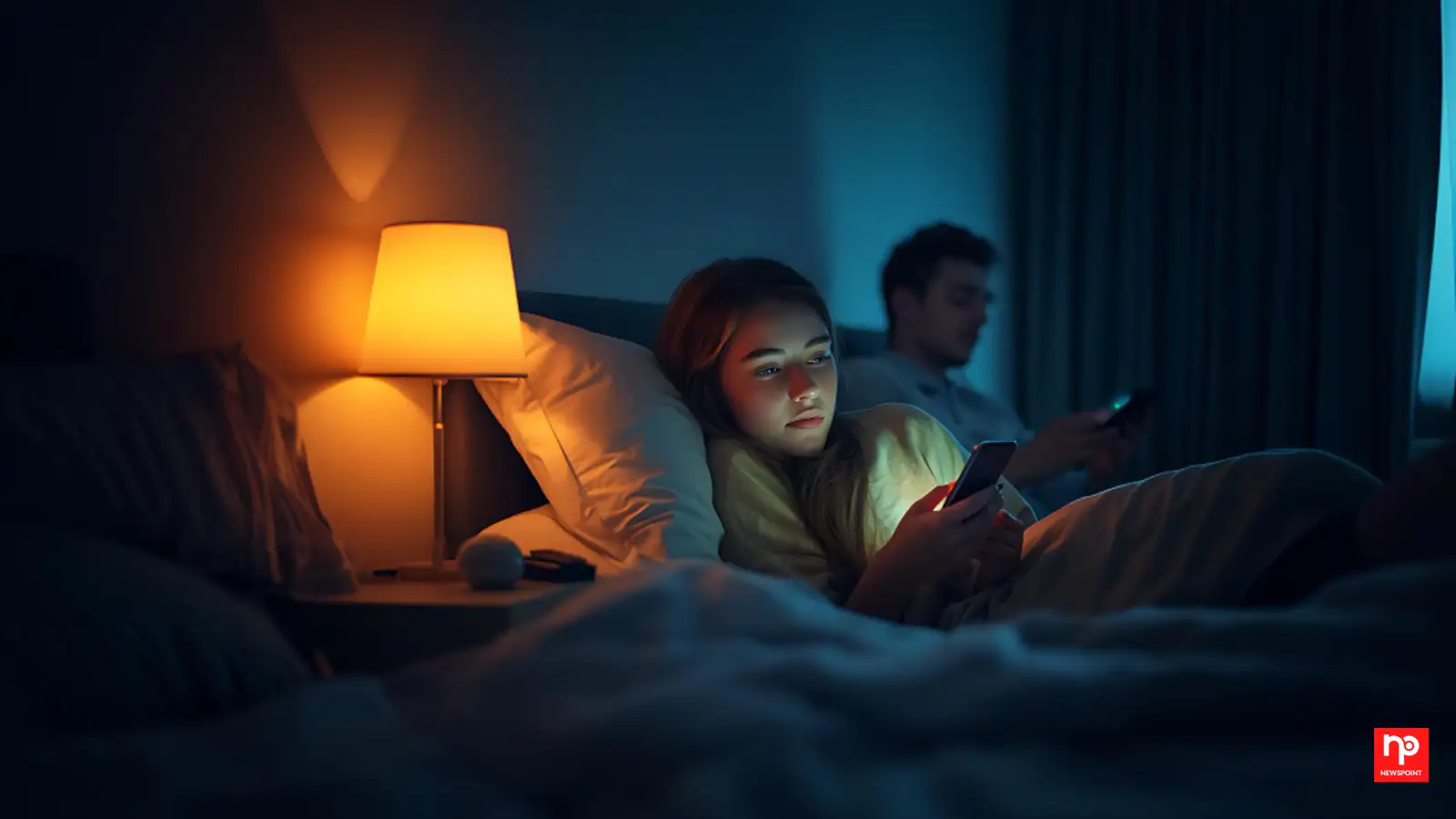
This growing problem has become increasingly common in modern urban lifestyles where stress, screens, and irregular schedules dominate everyday routines.
Frequent phone notifications, late night scrolling, or sleeping with bright artificial light nearby can quietly affect sleep cycles without people fully noticing.
Even stress plays a major role. Many individuals remain mentally active while physically tired. The body rests, but the mind continues processing worries, deadlines, and unfinished tasks.
This habit keeps the brain in a state of alertness. Bright blue light from screens may also interfere with melatonin production, which helps regulate sleep timing.
Interestingly, some people fall asleep while watching videos and assume it helps them relax. Yet constant background stimulation can reduce overall sleep quality.
A person sleeping at midnight one day and 3 am the next may struggle with poor sleep even if total hours remain similar. The human body responds strongly to routine.
This explains why people often sleep better during holidays when daily schedules become calmer and more predictable.
Reducing screen exposure before bedtime helps many people relax faster. Keeping bedrooms cooler and darker may also improve comfort. Some individuals find that reading physical books helps the mind slow down more naturally than scrolling social media.
Regular morning sunlight exposure also supports healthier sleep cycles later at night.
People are finally beginning to understand that sleep is not wasted time. It is one of the most important foundations of physical health, emotional balance, and everyday productivity.
This growing problem has become increasingly common in modern urban lifestyles where stress, screens, and irregular schedules dominate everyday routines.
The Difference Between Sleep Time and Sleep Quality
A person can technically sleep for long periods while still experiencing fragmented rest. Interrupted sleep prevents the brain from reaching deeper restorative stages.Frequent phone notifications, late night scrolling, or sleeping with bright artificial light nearby can quietly affect sleep cycles without people fully noticing.
Even stress plays a major role. Many individuals remain mentally active while physically tired. The body rests, but the mind continues processing worries, deadlines, and unfinished tasks.
Why Phones Have Become a Major Problem
Mobile phones are deeply connected to modern sleep issues. Many people check messages moments before sleeping and immediately after waking up.This habit keeps the brain in a state of alertness. Bright blue light from screens may also interfere with melatonin production, which helps regulate sleep timing.
Interestingly, some people fall asleep while watching videos and assume it helps them relax. Yet constant background stimulation can reduce overall sleep quality.
The Impact of Irregular Sleep Timing
One overlooked issue is inconsistency. Sleeping at different times every night confuses the body clock.You may also like
- New Privacy Feature Arrives for Millions of WhatsApp Users: Every AI Chat of Yours Will Remain Private
- Indian Railway News: Why has another star been added to the Indian Railway logo, and what does it signify? An Explanation
- Is Health Insurance Truly 'Unlimited'? Know These 5 Harsh Realities Before Buying a Policy
- What Happens at the Toll Plaza if Your FASTag Gets Blacklisted? Here's How to Reactivate It from Home
- Why Purity Matters Before Reading Ramayana
A person sleeping at midnight one day and 3 am the next may struggle with poor sleep even if total hours remain similar. The human body responds strongly to routine.
This explains why people often sleep better during holidays when daily schedules become calmer and more predictable.
Small Habits That May Improve Sleep Naturally
Improving sleep does not always require dramatic lifestyle changes. Simple habits can make noticeable differences over time.Reducing screen exposure before bedtime helps many people relax faster. Keeping bedrooms cooler and darker may also improve comfort. Some individuals find that reading physical books helps the mind slow down more naturally than scrolling social media.
Regular morning sunlight exposure also supports healthier sleep cycles later at night.
Why Sleep Is Becoming a Bigger Public Health Conversation
Modern life encourages constant activity, endless connectivity, and mental overstimulation. As a result, genuine rest has become surprisingly rare.People are finally beginning to understand that sleep is not wasted time. It is one of the most important foundations of physical health, emotional balance, and everyday productivity.






More from our partners


Loving Newspoint? Download the app now
