
Why Walls Develop Seelan in the Rains and How Homes Stay Dry

The patch appears slowly. A faint darkening near the window frame, a blister in the paint, then a smell that no incense stick quite covers. Seelan , the Hindi word most Indian households reach for before they reach for a bucket, is not random. It follows the same route through the same weak points in almost every home, and those weak points have names.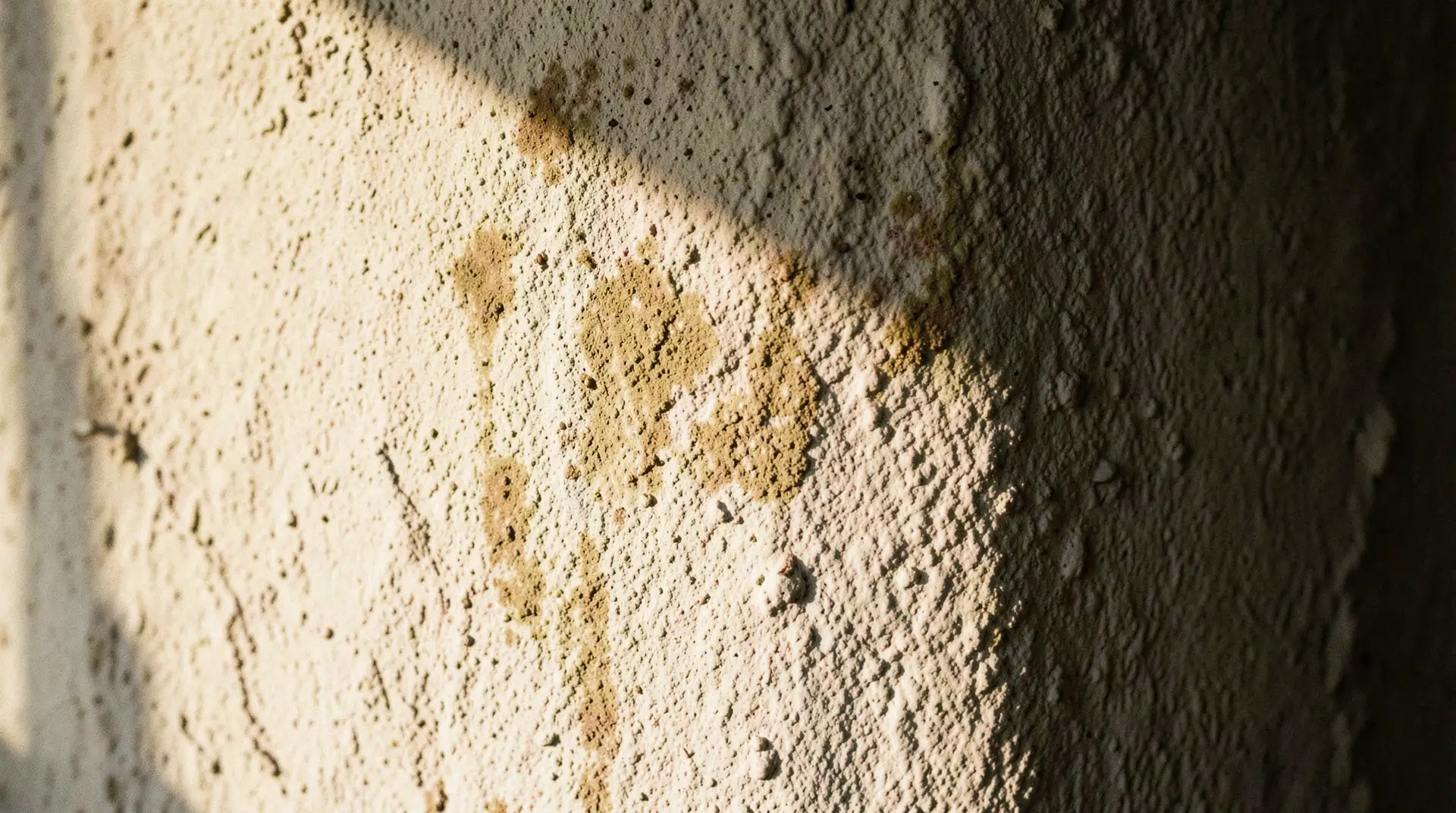
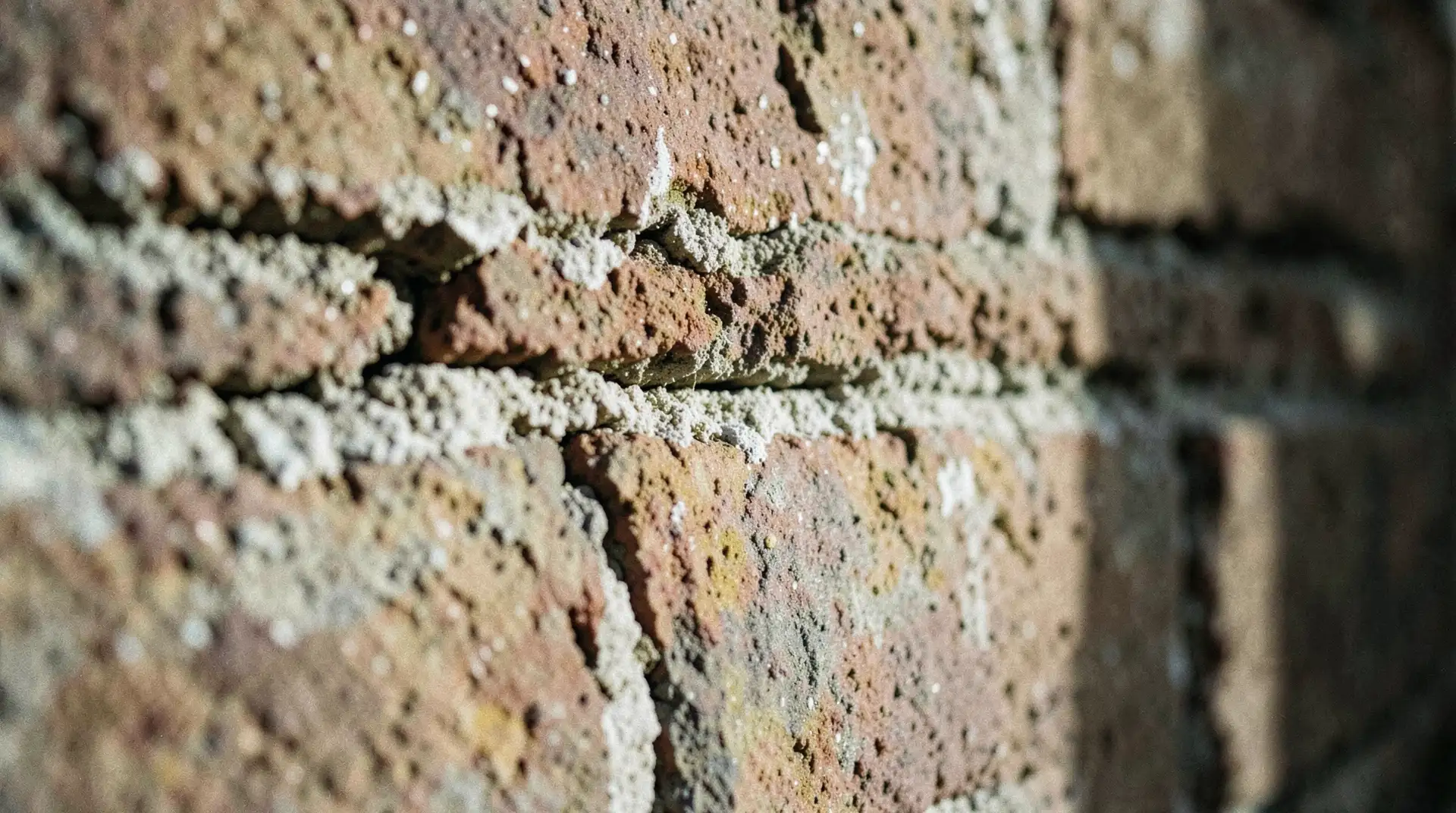
The white crust that sometimes forms alongside the stain is efflorescence, salts dissolved in the groundwater or in the wall's own mortar, carried to the surface as the water evaporates. The water leaves; the salts stay. That crust is useful because it tells you the damp has been moving through the wall for long enough to carry minerals with it, which usually means the entry point is not directly behind the stain.
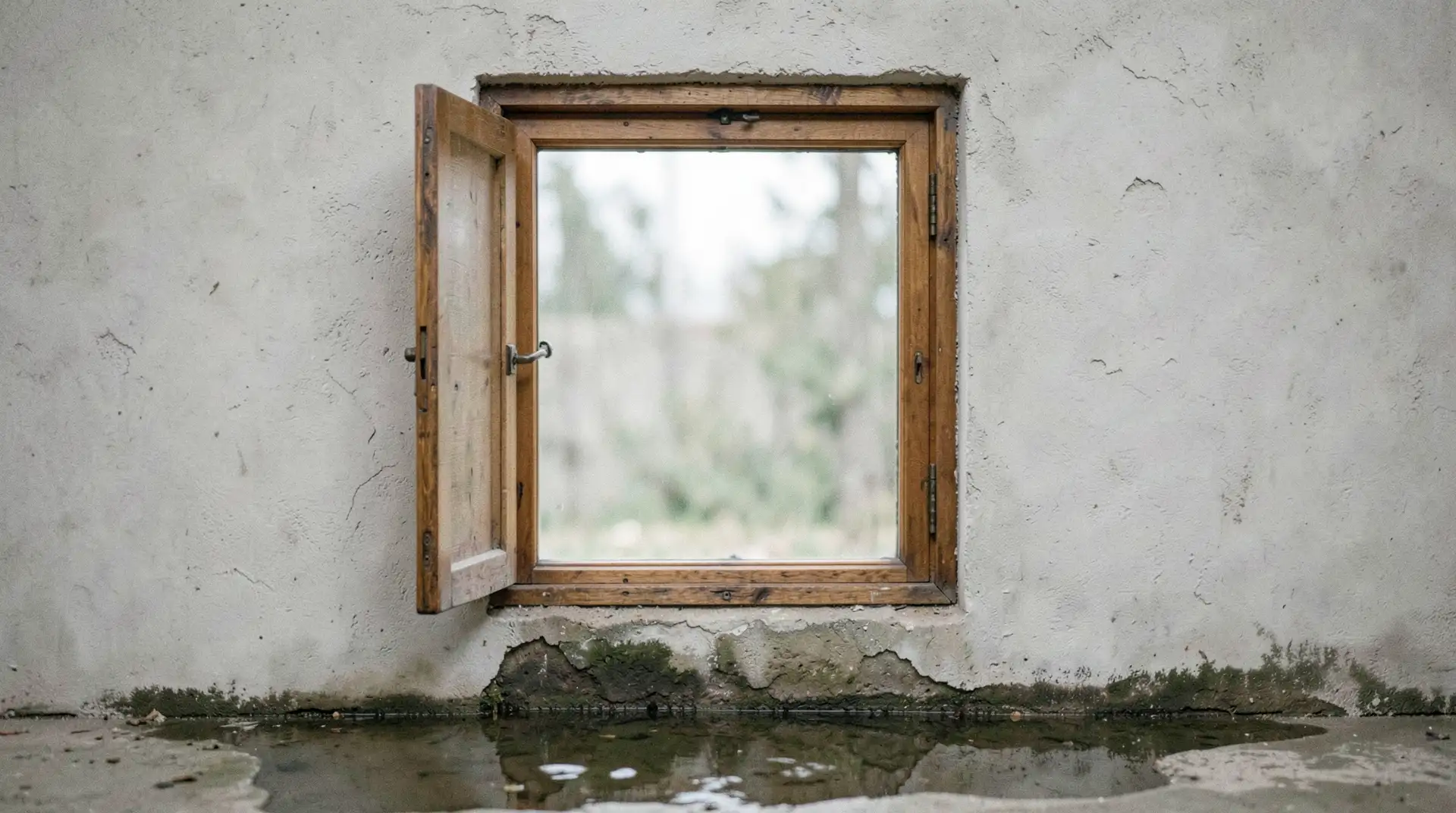
The second is the window and door frame. Metal frames expand in heat and contract at night. Over years, the sealant between the frame and the plaster opens a hairline gap. A driving rain pushes water through that gap under pressure, and it pools in the cavity behind the plaster. Frames set in wood have a different problem: the wood itself absorbs water and swells, widening the joint it was meant to seal.
The third is rising damp. Groundwater wicks upward through the base of a wall by capillary action, the same mechanism that pulls water up a paper towel. Older buildings without a damp-proof course, a horizontal barrier of dense material laid in the base of the wall during construction, are especially vulnerable. Rising damp almost always appears within the first metre of the floor and has a distinct tidemark at its upper edge.
Wooden elements embedded in or touching a damp wall, door frames, window shutters, loft beams, absorb the moisture and become hospitable to the fungi that cause rot. The discolouration on the surface of wood near a damp patch is usually the first sign that something structural is softening.
Checking the roof drainage before the rains arrive, clearing blocked outlets, looking for standing water after a test with a hose, catches the most common entry point before it becomes a wall stain. Resealing window frames with a flexible silicone sealant every few years closes the gap that opens as frames move with temperature. These are not repairs; they are maintenance, and the distinction matters because maintenance costs a fraction of what replastering a wall costs.
Inside the home, keeping furniture a few centimetres away from exterior walls allows air to circulate behind it. A sofa pushed flat against a wall that faces the rain traps moisture between the fabric and the plaster and creates the conditions for mould to grow on both surfaces without ever being visible until the damage is done.
A wall that has been wet for a long time holds moisture deep in the masonry. Even after the entry point is sealed, it can take weeks of good ventilation for the wall to dry to a point where replastering will hold. Rushing this step is the reason many repairs fail within a season.
Seelan is not a monsoon problem. It is a year-round structural condition that the monsoon reveals. The rains show where the wall was already waiting to fail.
What Seelan Actually Is
Damp in a wall is water that has found a way in and cannot find a way out. Brick and concrete are porous materials. Under ordinary conditions, any moisture that enters evaporates back through the surface. The problem begins when water enters faster than it can leave, through a crack, a failed joint, a roof parapet that holds a puddle, or a plaster coat that has thinned to the point where it no longer repels water. Once inside, the moisture travels along the path of least resistance: down through mortar joints, sideways through hollow spaces, and eventually to the inner face of the wall, where it shows up as the stain a family notices first.The white crust that sometimes forms alongside the stain is efflorescence, salts dissolved in the groundwater or in the wall's own mortar, carried to the surface as the water evaporates. The water leaves; the salts stay. That crust is useful because it tells you the damp has been moving through the wall for long enough to carry minerals with it, which usually means the entry point is not directly behind the stain.
Where the Water Gets In
Three entry points account for the great majority of household seelan. The first is the roof-to-wall junction. A flat roof that does not drain quickly holds water against the parapet. If the waterproofing membrane at that joint has cracked or separated, which it does over several seasons of heat and cold, water enters at the top and travels down inside the wall. The stain appears on the ceiling or high on the inner wall, often far from the actual crack.The second is the window and door frame. Metal frames expand in heat and contract at night. Over years, the sealant between the frame and the plaster opens a hairline gap. A driving rain pushes water through that gap under pressure, and it pools in the cavity behind the plaster. Frames set in wood have a different problem: the wood itself absorbs water and swells, widening the joint it was meant to seal.
You may also like
- Women's Health: If women notice these changes in themselves after the age of 40, they should not ignore them..
- Stay Hydrated This Festive Season to Prevent Kidney Stones
- Understanding Morning Fatigue: Causes and Solutions
- Revolutionary Male Contraceptive Pill Under Development
- The Psychology Behind Cinema Exits: Why They Differ from Entrances
The third is rising damp. Groundwater wicks upward through the base of a wall by capillary action, the same mechanism that pulls water up a paper towel. Older buildings without a damp-proof course, a horizontal barrier of dense material laid in the base of the wall during construction, are especially vulnerable. Rising damp almost always appears within the first metre of the floor and has a distinct tidemark at its upper edge.
What Happens to the Wall Over Time
Persistent moisture does several things to a wall's structure. Plaster that stays wet for extended periods loses its bond with the brick behind it. The blistering and peeling that look cosmetic are the plaster physically separating. Beneath that, the mortar between bricks softens and loses its compressive strength. In a load-bearing wall, this matters more than it looks. Paint applied over damp plaster traps moisture rather than blocking it, which accelerates the blistering and makes the underlying problem harder to detect.Wooden elements embedded in or touching a damp wall, door frames, window shutters, loft beams, absorb the moisture and become hospitable to the fungi that cause rot. The discolouration on the surface of wood near a damp patch is usually the first sign that something structural is softening.
The Habits That Keep Walls Dry
Ventilation is the single most effective everyday habit. A room that breathes, windows opened on opposite sides to create a cross-draft, allows the surface moisture that condenses on walls during humid weather to evaporate before it can penetrate. Kitchens and bathrooms deserve particular attention because they generate steam at close range. An exhaust fan that actually vents outside, rather than recirculating air, removes the moisture at its source.Checking the roof drainage before the rains arrive, clearing blocked outlets, looking for standing water after a test with a hose, catches the most common entry point before it becomes a wall stain. Resealing window frames with a flexible silicone sealant every few years closes the gap that opens as frames move with temperature. These are not repairs; they are maintenance, and the distinction matters because maintenance costs a fraction of what replastering a wall costs.
Inside the home, keeping furniture a few centimetres away from exterior walls allows air to circulate behind it. A sofa pushed flat against a wall that faces the rain traps moisture between the fabric and the plaster and creates the conditions for mould to grow on both surfaces without ever being visible until the damage is done.
When the Wall Needs More Than Habits
Some seelan cannot be managed from inside the home. A failed waterproofing membrane on the roof, a missing damp-proof course, or a crack in the external plaster that goes all the way through to the brick requires work on the outside of the wall, the side where the water enters. Applying a waterproofing paint to the inner surface of a wall that is already wet traps the moisture inside and usually makes the problem worse. The sequence matters: stop the entry first, let the wall dry completely, then address the surface.A wall that has been wet for a long time holds moisture deep in the masonry. Even after the entry point is sealed, it can take weeks of good ventilation for the wall to dry to a point where replastering will hold. Rushing this step is the reason many repairs fail within a season.
Seelan is not a monsoon problem. It is a year-round structural condition that the monsoon reveals. The rains show where the wall was already waiting to fail.






Loving Newspoint? Download the app now
