
10 Unique Natural Landscapes in Chile That Look Almost Too Beautiful to Be Real

Chile is a country of remarkable geographical contrasts, stretching along the western edge of South America between the Pacific Ocean and the Andes Mountains. Its extraordinary length gives it an impressive variety of natural environments, from the world's driest desert and colourful mountain ranges to ancient forests, glaciers and dramatic coastlines. Some landscapes appear almost otherworldly, while others offer peaceful lakes, green valleys and snow-covered peaks. Whether you enjoy photography, hiking, wildlife watching or simply discovering unusual places, Chile has plenty to offer. Here are ten unique natural landscapes that showcase the country's incredible geographical diversity.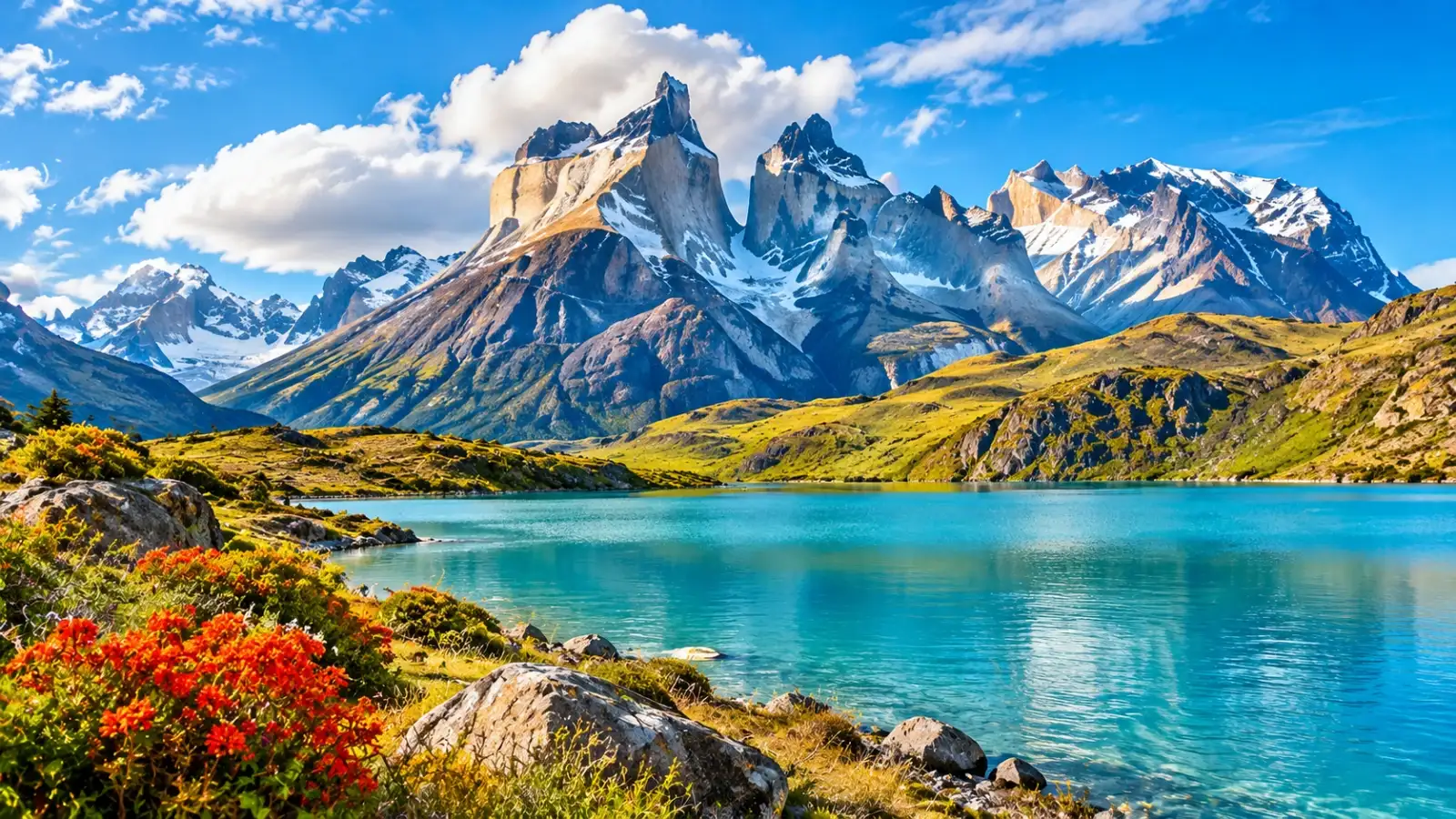
1. Atacama Desert
The Atacama Desert in northern Chile is famous for its extremely dry conditions, unusual rock formations and vast salt flats. Its landscape includes sand dunes, volcanic mountains and mineral-rich valleys that create striking natural colours.
Valle de la Luna, or Moon Valley, is among its best-known attractions. The sculpted rocks and pale sandy surfaces resemble a lunar landscape, particularly around sunset. Visitors can also explore salt lagoons and observe clear night skies, making the region popular with stargazers.
2. Torres del Paine National Park
Located in southern Patagonia, Torres del Paine National Park is known for its dramatic granite towers, turquoise lakes, glaciers and extensive hiking trails. Its most recognisable features are the three towering granite peaks that rise above the surrounding landscape.
The park also contains forests, rivers and open grasslands where visitors may spot guanacos, foxes and other wildlife. Its changing weather adds to the experience, creating different views throughout the day.
3. Marble Caves
The Marble Caves, or Capillas de Mármol, are remarkable rock formations located on General Carrera Lake in the Aysén Region. Over thousands of years, waves have gradually shaped the marble into smooth chambers, arches and tunnels.
The water's blue and turquoise colours reflect against the pale stone walls, creating an unusual visual effect. Visitors generally explore the formations by small boat or kayak when lake conditions permit.
4. Valle de la Luna
Situated near San Pedro de Atacama, Valle de la Luna is a landscape of sand dunes, rocky ridges and unusual geological formations. Wind and erosion have shaped the terrain over long periods, producing surfaces that resemble those found on the Moon.
The valley is particularly popular for sunset visits, when changing light creates dramatic shadows across the rocks. Its unusual appearance makes it one of the most photographed natural attractions in northern Chile.
5. Lauca National Park
Lauca National Park, located in the far north of Chile, offers a striking combination of high-altitude lakes, volcanic peaks and open Andean grasslands. Its most famous attraction is Lake Chungará, one of the world's highest lakes, set against the impressive Parinacota Volcano.
The park is also home to flamingos, vicuñas and other wildlife adapted to high-altitude conditions. Visitors should allow time to adjust to the altitude, as some areas are located more than 4,000 metres above sea level.
6. El Tatio Geysers
The El Tatio Geysers are located in the Andes Mountains, north of San Pedro de Atacama. This geothermal field contains numerous geysers and steaming vents that release hot water and vapour through the ground.
Early morning is the most popular time to visit because the temperature difference makes the steam especially visible against the cold mountain air. The surrounding landscape of volcanic peaks and high-altitude plains adds to the experience. Visitors should follow marked paths and maintain a safe distance from the hot water.
7. Lake District
Chile's Lake District is known for its beautiful lakes, dense forests, snow-capped volcanoes and green countryside. The region includes destinations such as Puerto Varas, Lake Llanquihue and the surroundings of Villarrica and Osorno volcanoes.
Visitors can enjoy kayaking, hiking, cycling and scenic drives. The landscape is particularly attractive during warmer months, when the forests and lakes create a peaceful setting for outdoor exploration.
8. Queulat National Park
Queulat National Park in the Aysén Region is famous for its temperate rainforests, waterfalls and hanging glacier. One of its most remarkable sights is the Ventisquero Colgante, a glacier suspended high above a forested valley.
Meltwater flows down from the glacier, forming waterfalls that cascade towards the landscape below. Walking trails and viewpoints provide opportunities to appreciate the scenery, although access and visibility can depend on weather conditions.
9. Chiloé Island
Chiloé Island is known for its green countryside, rugged coastline, wetlands and distinctive coastal landscapes. Located in southern Chile, it offers a different natural experience from the country's high mountains and desert regions.
The island is home to several protected areas, including Chiloé National Park, where visitors can explore temperate rainforests, dunes and Pacific Ocean beaches. Its wetlands also provide habitats for many bird species, making the island interesting for nature enthusiasts.
10. Bernardo O'Higgins National Park
Bernardo O'Higgins National Park is one of Chile's largest protected areas and is known for its extensive ice fields, glaciers, fjords and remote Patagonian wilderness. Much of the park is difficult to access by road, so boat journeys are an important way to explore its scenery.
The Balmaceda and Serrano glaciers are among the region's notable attractions. Surrounded by mountains and deep waterways, this remote landscape offers an impressive look at the power of ice and changing natural environments.
Best Time to Explore Chile's Natural Landscapes
Chile's climate varies considerably from north to south, so the best time to visit depends on the region. The Atacama Desert can be explored throughout much of the year, although temperatures vary between day and night. Patagonia and the Lake District are generally most accessible from November to March, during the Southern Hemisphere's summer. Winter brings snow and colder conditions to many southern destinations, while some mountain routes and trails may become difficult to access.
1. Atacama Desert
The Atacama Desert in northern Chile is famous for its extremely dry conditions, unusual rock formations and vast salt flats. Its landscape includes sand dunes, volcanic mountains and mineral-rich valleys that create striking natural colours.
Valle de la Luna, or Moon Valley, is among its best-known attractions. The sculpted rocks and pale sandy surfaces resemble a lunar landscape, particularly around sunset. Visitors can also explore salt lagoons and observe clear night skies, making the region popular with stargazers.
2. Torres del Paine National Park
Located in southern Patagonia, Torres del Paine National Park is known for its dramatic granite towers, turquoise lakes, glaciers and extensive hiking trails. Its most recognisable features are the three towering granite peaks that rise above the surrounding landscape.
The park also contains forests, rivers and open grasslands where visitors may spot guanacos, foxes and other wildlife. Its changing weather adds to the experience, creating different views throughout the day.
3. Marble Caves
The Marble Caves, or Capillas de Mármol, are remarkable rock formations located on General Carrera Lake in the Aysén Region. Over thousands of years, waves have gradually shaped the marble into smooth chambers, arches and tunnels.
The water's blue and turquoise colours reflect against the pale stone walls, creating an unusual visual effect. Visitors generally explore the formations by small boat or kayak when lake conditions permit.
4. Valle de la Luna
Situated near San Pedro de Atacama, Valle de la Luna is a landscape of sand dunes, rocky ridges and unusual geological formations. Wind and erosion have shaped the terrain over long periods, producing surfaces that resemble those found on the Moon.
The valley is particularly popular for sunset visits, when changing light creates dramatic shadows across the rocks. Its unusual appearance makes it one of the most photographed natural attractions in northern Chile.
5. Lauca National Park
Lauca National Park, located in the far north of Chile, offers a striking combination of high-altitude lakes, volcanic peaks and open Andean grasslands. Its most famous attraction is Lake Chungará, one of the world's highest lakes, set against the impressive Parinacota Volcano.
The park is also home to flamingos, vicuñas and other wildlife adapted to high-altitude conditions. Visitors should allow time to adjust to the altitude, as some areas are located more than 4,000 metres above sea level.
6. El Tatio Geysers
The El Tatio Geysers are located in the Andes Mountains, north of San Pedro de Atacama. This geothermal field contains numerous geysers and steaming vents that release hot water and vapour through the ground.
Early morning is the most popular time to visit because the temperature difference makes the steam especially visible against the cold mountain air. The surrounding landscape of volcanic peaks and high-altitude plains adds to the experience. Visitors should follow marked paths and maintain a safe distance from the hot water.
7. Lake District
Chile's Lake District is known for its beautiful lakes, dense forests, snow-capped volcanoes and green countryside. The region includes destinations such as Puerto Varas, Lake Llanquihue and the surroundings of Villarrica and Osorno volcanoes.
Visitors can enjoy kayaking, hiking, cycling and scenic drives. The landscape is particularly attractive during warmer months, when the forests and lakes create a peaceful setting for outdoor exploration.
8. Queulat National Park
Queulat National Park in the Aysén Region is famous for its temperate rainforests, waterfalls and hanging glacier. One of its most remarkable sights is the Ventisquero Colgante, a glacier suspended high above a forested valley.
You may also like
- Akshay Kumar Reveals Why Big Producers Hesitate to Cast Him Over His 8-Hour Work Schedule
- Pharmacist Skin Cream Advice and the Regulatory Gap Behind It
- Sandeep Reddy Vanga wants Spirit to give Prabhas a new identity after Baahubali 2
- Psychology says people who read messages but choose not to reply may have different communication patterns: How emotional avoidance, conflict discomfort, personal boundaries and digital communication habits influence texting behaviour and relationships
- Bigg Boss 20: Yung DSA upset over ScoutOP sharing Gullu's bed? Fans question his reactions
Meltwater flows down from the glacier, forming waterfalls that cascade towards the landscape below. Walking trails and viewpoints provide opportunities to appreciate the scenery, although access and visibility can depend on weather conditions.
9. Chiloé Island
Chiloé Island is known for its green countryside, rugged coastline, wetlands and distinctive coastal landscapes. Located in southern Chile, it offers a different natural experience from the country's high mountains and desert regions.
The island is home to several protected areas, including Chiloé National Park, where visitors can explore temperate rainforests, dunes and Pacific Ocean beaches. Its wetlands also provide habitats for many bird species, making the island interesting for nature enthusiasts.
10. Bernardo O'Higgins National Park
Bernardo O'Higgins National Park is one of Chile's largest protected areas and is known for its extensive ice fields, glaciers, fjords and remote Patagonian wilderness. Much of the park is difficult to access by road, so boat journeys are an important way to explore its scenery.
The Balmaceda and Serrano glaciers are among the region's notable attractions. Surrounded by mountains and deep waterways, this remote landscape offers an impressive look at the power of ice and changing natural environments.
Best Time to Explore Chile's Natural Landscapes
Chile's climate varies considerably from north to south, so the best time to visit depends on the region. The Atacama Desert can be explored throughout much of the year, although temperatures vary between day and night. Patagonia and the Lake District are generally most accessible from November to March, during the Southern Hemisphere's summer. Winter brings snow and colder conditions to many southern destinations, while some mountain routes and trails may become difficult to access.






Loving Newspoint? Download the app now
