
10 Villages Known For Unique Foods You May Not Find Elsewhere

Some of the world's most memorable foods are not found in famous restaurants or busy city markets. They are often made in small villages where recipes have been passed from one generation to another. In these places, a particular dish can become so closely connected with local life that visitors travel specifically to taste it.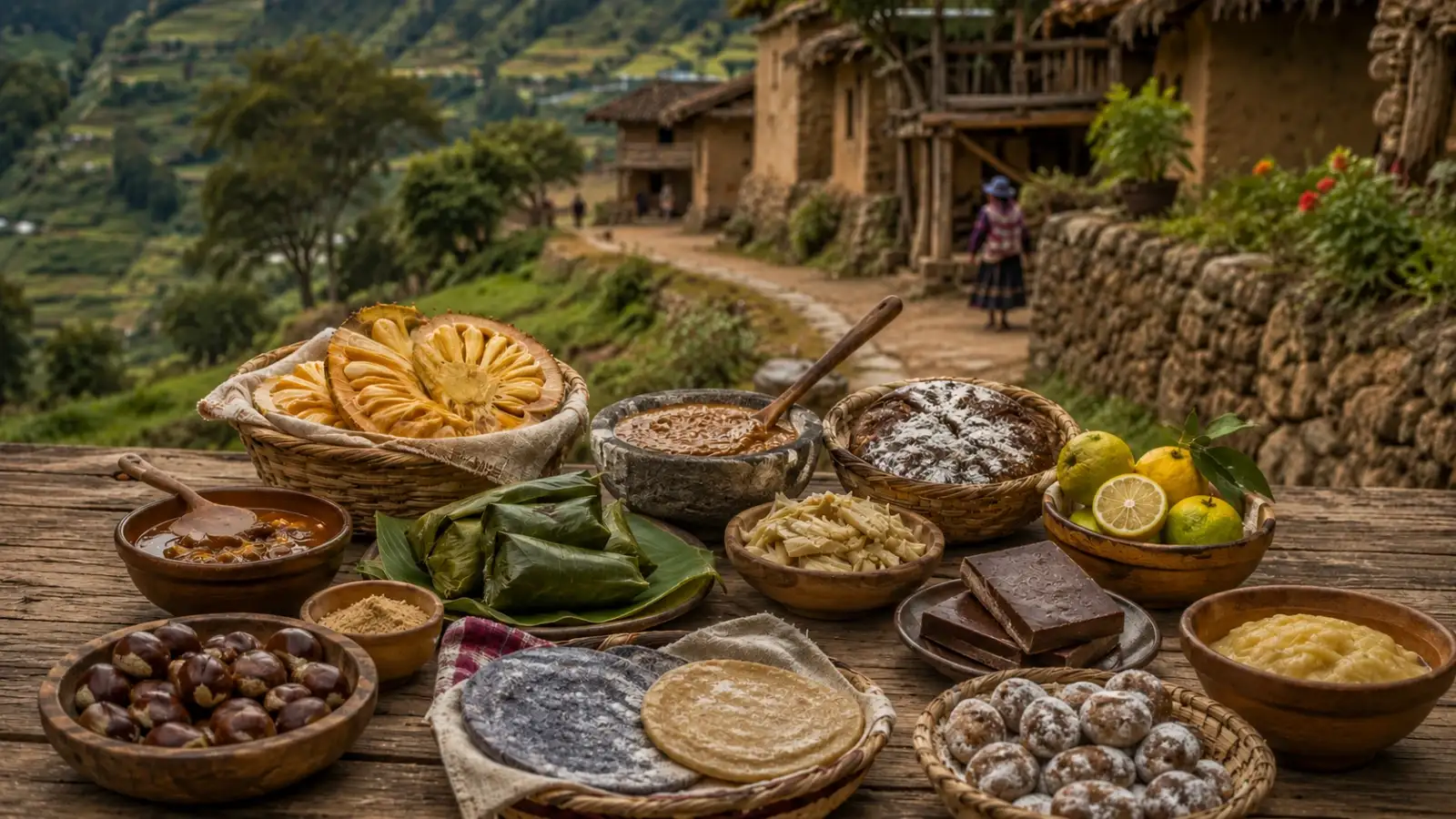
These foods are shaped by what grows nearby, what local farmers produce and what communities have traditionally cooked. Some recipes are difficult to find elsewhere because they depend on a regional ingredient, a particular cooking method or knowledge that has been preserved within a small community.
For travellers who enjoy discovering local food , these villages offer something special. The meal is not simply something to eat. It can be a way to understand the landscape, history and traditions of the people who make it.
Here are some fascinating examples of places where one distinctive food has become part of the local identity.
The surrounding environment influences the flavour of the honey, and local beekeepers have developed knowledge of working with bees in hot and dry conditions.
For visitors interested in regional foods, local honey provides a taste of the plants and landscapes surrounding the community.
The dish is simple but deeply connected to the region. Argan oil comes from the fruit of the argan tree, which is native to Morocco and has played an important role in local life.
Amlou is commonly enjoyed with bread at breakfast or as a snack. While versions can now be found outside Morocco, tasting freshly prepared amlou in an argan-growing community offers a much more local experience.
Modica chocolate is made using an old-style process that leaves tiny sugar crystals in the finished chocolate, giving it a distinctive grainy texture.
Local producers continue to make chocolate in a range of flavours, from traditional varieties to combinations involving spices and citrus.
For travellers who enjoy unique foods , Modica demonstrates how a particular production technique can become part of an entire area's identity.
The process is closely connected to the high-altitude environment. Potatoes are exposed to freezing temperatures and then dried, allowing them to be stored for long periods.
Chuño is an excellent example of how local food can develop in response to the landscape. What may look like a simple preserved potato actually represents generations of knowledge about surviving in a challenging climate.
The mountainous environment and traditional farming practices have helped create a strong connection between the fruit and local cuisine.
Visitors may encounter yuzu-based products that are difficult to find in exactly the same form elsewhere. The ingredient gives local dishes a distinctive citrus aroma that immediately connects them with the region.
In places where chestnut trees have shaped the local landscape for centuries, the ingredient can become part of community festivals and family recipes.
A simple chestnut dish can therefore tell a much bigger story about farming, seasons and rural life.
The flavours can be quite different from the foods commonly associated with other parts of India. Depending on the community, bamboo shoots may be cooked with vegetables, meat or fish.
Because food traditions vary greatly even between nearby communities, some preparations can be particularly local and difficult to find outside the region.
Different areas have their own methods and styles, influenced by local milk, ageing conditions and family techniques.
The cheese is much more than a product. It reflects the island's pastoral culture and the importance of sheep farming to rural communities.
Visitors exploring the island's countryside may find small producers whose cheeses have flavours and textures that are difficult to replicate elsewhere.
Jackfruit chips and other regional preparations have become popular beyond Kerala, but many traditional recipes remain strongly connected with particular communities and family kitchens.
The fruit's versatility also shows how local cooking often develops around ingredients that are naturally abundant in the surrounding environment.
The colour comes naturally from pigments in the corn, and different varieties are associated with particular growing regions and farming traditions.
For travellers, tasting freshly prepared blue corn food in a rural community can be very different from buying a packaged product elsewhere. The preparation, texture and flavour are often closely tied to local traditions.
There is also the question of scale. A dish made regularly for a small community may never become commercially popular enough to spread across the country.
This is what makes traditional village food so interesting. A recipe can survive not because it has been marketed around the world, but because local people continue to make it.
From Moroccan amlou and Andean chuño to Japanese yuzu dishes and India's regional bamboo shoot recipes, local foods reveal how people have adapted to their surroundings.
The next time you travel, look beyond famous food streets and popular restaurants. Ask locals what their village or region is known for. You may discover a dish that tells the story of the place far better than any souvenir ever could.
These foods are shaped by what grows nearby, what local farmers produce and what communities have traditionally cooked. Some recipes are difficult to find elsewhere because they depend on a regional ingredient, a particular cooking method or knowledge that has been preserved within a small community.
For travellers who enjoy discovering local food , these villages offer something special. The meal is not simply something to eat. It can be a way to understand the landscape, history and traditions of the people who make it.
Here are some fascinating examples of places where one distinctive food has become part of the local identity.
1. Khorfakkan, UAE and the Local Honey Tradition
In the mountainous areas around Khorfakkan and the wider eastern region of the UAE, honey production has long been connected with local landscapes and beekeeping traditions. Sidr honey, produced from the nectar of the sidr tree, is particularly valued for its rich taste and distinctive character.The surrounding environment influences the flavour of the honey, and local beekeepers have developed knowledge of working with bees in hot and dry conditions.
For visitors interested in regional foods, local honey provides a taste of the plants and landscapes surrounding the community.
2. Argan Villages of Morocco and Amlou
In southwestern Morocco, particularly around areas where argan trees grow, local communities produce a spread called amlou. It is traditionally made using roasted almonds, argan oil and honey.The dish is simple but deeply connected to the region. Argan oil comes from the fruit of the argan tree, which is native to Morocco and has played an important role in local life.
Amlou is commonly enjoyed with bread at breakfast or as a snack. While versions can now be found outside Morocco, tasting freshly prepared amlou in an argan-growing community offers a much more local experience.
3. Modica, Sicily and Traditional Chocolate
Modica is technically a town rather than a village, but its chocolate tradition is so distinctive that it deserves a place on any list of unusual food destinations .Modica chocolate is made using an old-style process that leaves tiny sugar crystals in the finished chocolate, giving it a distinctive grainy texture.
Local producers continue to make chocolate in a range of flavours, from traditional varieties to combinations involving spices and citrus.
For travellers who enjoy unique foods , Modica demonstrates how a particular production technique can become part of an entire area's identity.
4. Villages Around Lake Titicaca and Chuño
In the highlands around Lake Titicaca, communities have traditionally produced chuño, a type of preserved potato created using natural freezing and drying conditions.The process is closely connected to the high-altitude environment. Potatoes are exposed to freezing temperatures and then dried, allowing them to be stored for long periods.
Chuño is an excellent example of how local food can develop in response to the landscape. What may look like a simple preserved potato actually represents generations of knowledge about surviving in a challenging climate.
5. Iya Valley, Japan and Local Yuzu Foods
In rural parts of Japan, including the mountainous Iya Valley area of Tokushima, yuzu is an important local ingredient. The fragrant citrus fruit is used in drinks, sauces, sweets and other foods.The mountainous environment and traditional farming practices have helped create a strong connection between the fruit and local cuisine.
Visitors may encounter yuzu-based products that are difficult to find in exactly the same form elsewhere. The ingredient gives local dishes a distinctive citrus aroma that immediately connects them with the region.
6. Italian Villages and Chestnut Specialities
Across parts of rural Italy, particularly mountainous communities, chestnuts have historically been an important seasonal food. Some villages have developed strong traditions around chestnut flour, cakes, breads and roasted chestnuts.In places where chestnut trees have shaped the local landscape for centuries, the ingredient can become part of community festivals and family recipes.
A simple chestnut dish can therefore tell a much bigger story about farming, seasons and rural life.
7. Indian Villages Known for Bamboo Shoot Dishes
In parts of Northeast India, bamboo shoots are an important traditional ingredient. Rural communities use fresh and fermented bamboo shoots in a variety of regional dishes.The flavours can be quite different from the foods commonly associated with other parts of India. Depending on the community, bamboo shoots may be cooked with vegetables, meat or fish.
Because food traditions vary greatly even between nearby communities, some preparations can be particularly local and difficult to find outside the region.
8. Villages of Sardinia and Pecorino Traditions
Sardinia is famous for its sheep farming, and many rural communities have long-standing traditions of producing pecorino cheese.Different areas have their own methods and styles, influenced by local milk, ageing conditions and family techniques.
The cheese is much more than a product. It reflects the island's pastoral culture and the importance of sheep farming to rural communities.
Visitors exploring the island's countryside may find small producers whose cheeses have flavours and textures that are difficult to replicate elsewhere.
9. Villages in Kerala and Traditional Jackfruit Foods
In Kerala, jackfruit has traditionally been used in many forms, particularly in rural households. The ripe fruit can be eaten fresh or turned into sweets, while the unripe fruit is used in savoury dishes.Jackfruit chips and other regional preparations have become popular beyond Kerala, but many traditional recipes remain strongly connected with particular communities and family kitchens.
The fruit's versatility also shows how local cooking often develops around ingredients that are naturally abundant in the surrounding environment.
10. Mexican Villages and Blue Corn Foods
In several rural communities in Mexico, blue corn has a long culinary history. The distinctive maize is used to prepare tortillas, tamales, atole and other traditional foods.You may also like
- Headache Striking Suddenly? This Simple Salt-and-Water Trick Is Being Shared for Quick Relief
- Health Tips: If you consume dry fruits daily, you will get many benefits, you can include them in your diet
- A spectacular confluence of classical dances unfolds in Pune
- Mosquitoes Bothering Your Little One? Try These 5 Simple Ways to Keep Insects Away
- Opportunity to Join BHEL: 10th Pass Candidates Can Also Apply
The colour comes naturally from pigments in the corn, and different varieties are associated with particular growing regions and farming traditions.
For travellers, tasting freshly prepared blue corn food in a rural community can be very different from buying a packaged product elsewhere. The preparation, texture and flavour are often closely tied to local traditions.
Why Local Food Can Be So Difficult to Find Elsewhere
Food can remain strongly regional for many reasons. Sometimes the key ingredient only grows well in a particular climate. In other cases, the traditional preparation requires equipment, techniques or knowledge that have been passed down through families.There is also the question of scale. A dish made regularly for a small community may never become commercially popular enough to spread across the country.
This is what makes traditional village food so interesting. A recipe can survive not because it has been marketed around the world, but because local people continue to make it.
Food Can Be a Map of a Place
Travelling for food does not always mean searching for the most famous restaurant. Sometimes the most memorable meal can be found in a small community where one dish has been prepared for generations.From Moroccan amlou and Andean chuño to Japanese yuzu dishes and India's regional bamboo shoot recipes, local foods reveal how people have adapted to their surroundings.
The next time you travel, look beyond famous food streets and popular restaurants. Ask locals what their village or region is known for. You may discover a dish that tells the story of the place far better than any souvenir ever could.






Loving Newspoint? Download the app now
