
10 Wildlife Experiences in India That Do Not Involve a Traditional Safari

Seeing wildlife in India does not always mean sitting inside a jeep and searching for tigers.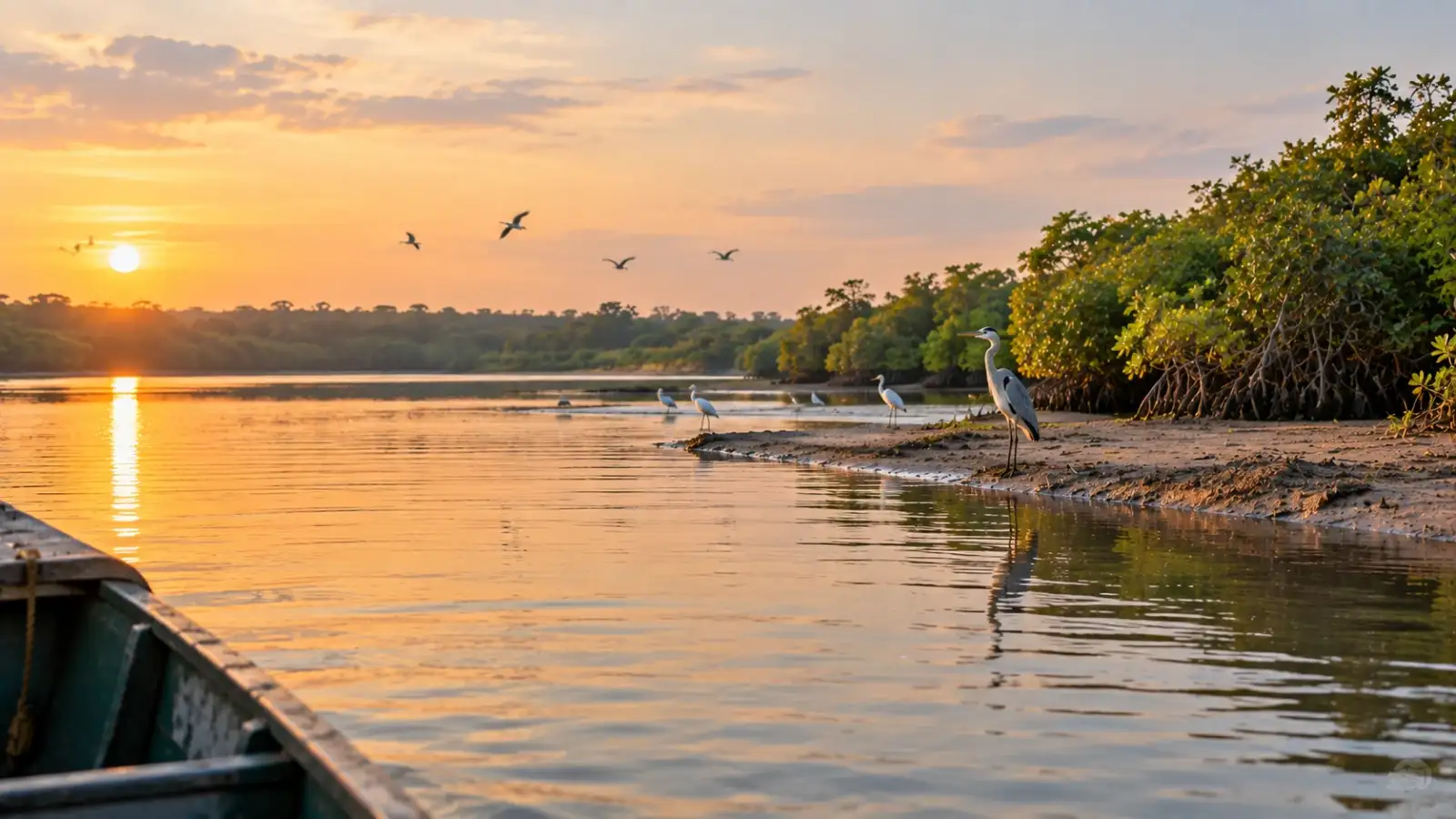
The country has an enormous variety of landscapes, from mangrove forests and wetlands to rivers, beaches, mountains and tropical islands. Each of these environments offers a different way to experience animals in the wild.
You can watch birds from a quiet boat, look for crocodiles along a river, walk through a mangrove forest or visit a beach where sea turtles come to nest.
Here are ten wildlife experiences in India that offer something different from a traditional safari.
Instead of travelling through dry woodland in a jeep, you can take a boat along the Chambal River and look for gharials resting on the sandy banks. The river is also home to the endangered Ganges river dolphin and attracts a large variety of resident and migratory birds.
The quiet river landscape makes the experience especially enjoyable for photographers and birdwatchers.
The sanctuary is a mangrove habitat that supports a variety of bird species. Visitors can travel through the wetland by boat, making the journey as interesting as the wildlife watching itself.
It is a good option for travellers who want a peaceful wildlife outing rather than a long search for large mammals.
A wooden walkway passes through mangroves, allowing visitors to observe the unusual roots, plants and creatures that live around this environment. The trail leads towards Dhani Nallah Beach, which is also associated with seasonal Olive Ridley turtle nesting.
The experience is less about spotting one particular animal and more about discovering an entire coastal ecosystem.
Karmatang Beach in the Andaman Islands is an important nesting area for leatherback turtles. During the nesting season, turtles come ashore after dark to lay their eggs.
Watching nesting turtles requires patience and careful behaviour. Visitors should follow local conservation rules and maintain a respectful distance from the animals.
Instead of travelling through the forest in a conventional safari vehicle, visitors can explore its waterways by boat. The area is known for saltwater crocodiles, birds, deer and other wildlife.
The waterways provide a different perspective because animals can often be seen along the banks or around the edges of the mangroves.
The Kumarakom Bird Sanctuary sits beside Lake Vembanad and contains wetlands and mangrove areas that attract both resident and migratory birds. Visitors can explore the area on foot or by boat.
This can be a particularly relaxing wildlife experience because there is no need to rush from one location to another. You can simply slow down and watch the movement of birds around the water and trees.
The Mahatma Gandhi Marine National Park in the Andaman Islands offers opportunities to experience marine life through activities such as snorkelling and scuba diving. The protected waters contain colourful corals and a variety of marine creatures.
For travellers who are more interested in underwater wildlife than big cats, this can be an unforgettable alternative.
The forested landscapes around Chitrakoot provide opportunities to see birds, deer and langurs while exploring the area on foot. Local nature trails can offer a slower experience compared with travelling through a national park in a vehicle.
Walking also gives you more time to notice smaller details such as bird calls, insects, tracks and plants.
Boat rides through the mangrove creeks can bring visitors close to a variety of bird species. The sanctuary is also associated with fishing cats, smooth coated otters, estuarine crocodiles and sea turtles.
The combination of water, dense vegetation and birdlife makes Coringa especially interesting for photographers.
Instead of searching for animals from a safari vehicle, you can spend time walking through the landscape and watching birds around the forest and coast.
The combination of birds, beaches and forest makes it a good choice for travellers who want a relaxed nature experience.
Birdwatching, boating, snorkelling, nature walks and turtle watching allow you to explore different ecosystems. They can also introduce you to animals that are rarely the main focus of a conventional safari.
These experiences encourage you to slow down and pay attention to smaller details. A bird calling from a mangrove, a crocodile resting beside a river or a turtle emerging from the sea can be just as memorable as spotting a tiger.
Follow local rules, keep your distance and avoid loud noises. Never feed wild animals or try to attract them for photographs. During turtle nesting and other sensitive wildlife encounters, follow instructions from local guides and conservation teams.
Responsible tourism helps ensure that these places remain safe for wildlife and enjoyable for future visitors.
India's wildlife is far more diverse than its famous tiger safaris suggest.
From river journeys and mangrove walks to turtle nesting beaches and underwater adventures, there are many ways to experience nature without sitting in a safari jeep.
If you want your next wildlife holiday to feel different, consider choosing an experience based on the landscape and the animals you want to discover rather than simply searching for the Big Five equivalent.
The country has an enormous variety of landscapes, from mangrove forests and wetlands to rivers, beaches, mountains and tropical islands. Each of these environments offers a different way to experience animals in the wild.
You can watch birds from a quiet boat, look for crocodiles along a river, walk through a mangrove forest or visit a beach where sea turtles come to nest.
Here are ten wildlife experiences in India that offer something different from a traditional safari.
1. Look for Gharials on the Chambal River
The National Chambal Sanctuary offers a completely different wildlife experience from a forest safari.Instead of travelling through dry woodland in a jeep, you can take a boat along the Chambal River and look for gharials resting on the sandy banks. The river is also home to the endangered Ganges river dolphin and attracts a large variety of resident and migratory birds.
The quiet river landscape makes the experience especially enjoyable for photographers and birdwatchers.
2. Watch Birds Through the Mangroves of Goa
The Dr Salim Ali Bird Sanctuary is located on Chorão Island, where the Mandovi River meets the sea.The sanctuary is a mangrove habitat that supports a variety of bird species. Visitors can travel through the wetland by boat, making the journey as interesting as the wildlife watching itself.
It is a good option for travellers who want a peaceful wildlife outing rather than a long search for large mammals.
3. Walk Through an Andaman Mangrove Forest
The Dhani Nallah Mangrove Nature Walkway in the Andaman Islands gives visitors the chance to explore a coastal ecosystem on foot.A wooden walkway passes through mangroves, allowing visitors to observe the unusual roots, plants and creatures that live around this environment. The trail leads towards Dhani Nallah Beach, which is also associated with seasonal Olive Ridley turtle nesting.
The experience is less about spotting one particular animal and more about discovering an entire coastal ecosystem.
4. Search for Sea Turtles on an Andaman Beach
Sea turtle nesting is one of the most fascinating wildlife experiences you can have in India.Karmatang Beach in the Andaman Islands is an important nesting area for leatherback turtles. During the nesting season, turtles come ashore after dark to lay their eggs.
Watching nesting turtles requires patience and careful behaviour. Visitors should follow local conservation rules and maintain a respectful distance from the animals.
5. Explore Bhitarkanika by Boat
Bhitarkanika in Odisha is known for its extensive mangrove ecosystem and rich wildlife.Instead of travelling through the forest in a conventional safari vehicle, visitors can explore its waterways by boat. The area is known for saltwater crocodiles, birds, deer and other wildlife.
The waterways provide a different perspective because animals can often be seen along the banks or around the edges of the mangroves.
6. Go Birdwatching in Kumarakom
Kumarakom in Kerala is an excellent destination for people who enjoy birdwatching.The Kumarakom Bird Sanctuary sits beside Lake Vembanad and contains wetlands and mangrove areas that attract both resident and migratory birds. Visitors can explore the area on foot or by boat.
This can be a particularly relaxing wildlife experience because there is no need to rush from one location to another. You can simply slow down and watch the movement of birds around the water and trees.
7. Spot Marine Life While Snorkelling in the Andaman Islands
Wildlife does not always have to be viewed from land.The Mahatma Gandhi Marine National Park in the Andaman Islands offers opportunities to experience marine life through activities such as snorkelling and scuba diving. The protected waters contain colourful corals and a variety of marine creatures.
For travellers who are more interested in underwater wildlife than big cats, this can be an unforgettable alternative.
8. Take a Nature Walk in Chitrakoot
Wildlife watching can also be combined with a simple nature walk.The forested landscapes around Chitrakoot provide opportunities to see birds, deer and langurs while exploring the area on foot. Local nature trails can offer a slower experience compared with travelling through a national park in a vehicle.
Walking also gives you more time to notice smaller details such as bird calls, insects, tracks and plants.
9. Explore Mangroves and Look for Birds in Coringa
Coringa Wildlife Sanctuary in Andhra Pradesh is another destination where mangroves are central to the wildlife experience.Boat rides through the mangrove creeks can bring visitors close to a variety of bird species. The sanctuary is also associated with fishing cats, smooth coated otters, estuarine crocodiles and sea turtles.
The combination of water, dense vegetation and birdlife makes Coringa especially interesting for photographers.
10. Visit Chidiya Tapu for Birdwatching
Chidiya Tapu, meaning Bird Island, is located on South Andaman Island and is known for its birdlife, mangroves, forests and coastal scenery.Instead of searching for animals from a safari vehicle, you can spend time walking through the landscape and watching birds around the forest and coast.
The combination of birds, beaches and forest makes it a good choice for travellers who want a relaxed nature experience.
Why Try Wildlife Experiences Beyond Safaris?
Traditional safaris can be wonderful, but they are only one way to experience India's wildlife.Birdwatching, boating, snorkelling, nature walks and turtle watching allow you to explore different ecosystems. They can also introduce you to animals that are rarely the main focus of a conventional safari.
These experiences encourage you to slow down and pay attention to smaller details. A bird calling from a mangrove, a crocodile resting beside a river or a turtle emerging from the sea can be just as memorable as spotting a tiger.
Travel Responsibly
Wildlife experiences should always put the animals first.Follow local rules, keep your distance and avoid loud noises. Never feed wild animals or try to attract them for photographs. During turtle nesting and other sensitive wildlife encounters, follow instructions from local guides and conservation teams.
Responsible tourism helps ensure that these places remain safe for wildlife and enjoyable for future visitors.
India's wildlife is far more diverse than its famous tiger safaris suggest.
From river journeys and mangrove walks to turtle nesting beaches and underwater adventures, there are many ways to experience nature without sitting in a safari jeep.
If you want your next wildlife holiday to feel different, consider choosing an experience based on the landscape and the animals you want to discover rather than simply searching for the Big Five equivalent.
Next Story