
The Power of Colourful Vegetables: How Eating a Rainbow Supports Overall Health and Well-being

“Eat the rainbow” isn’t just a catchy phrase — it’s a powerful nutrition strategy. Colourful vegetables aren’t only visually appealing but also packed with a variety of essential nutrients, antioxidants, and health-boosting compounds. Each colour group offers unique benefits that contribute to overall well-being. From strengthening immunity to protecting the heart and boosting brain function, vibrant veggies play a key role in a balanced and wholesome diet.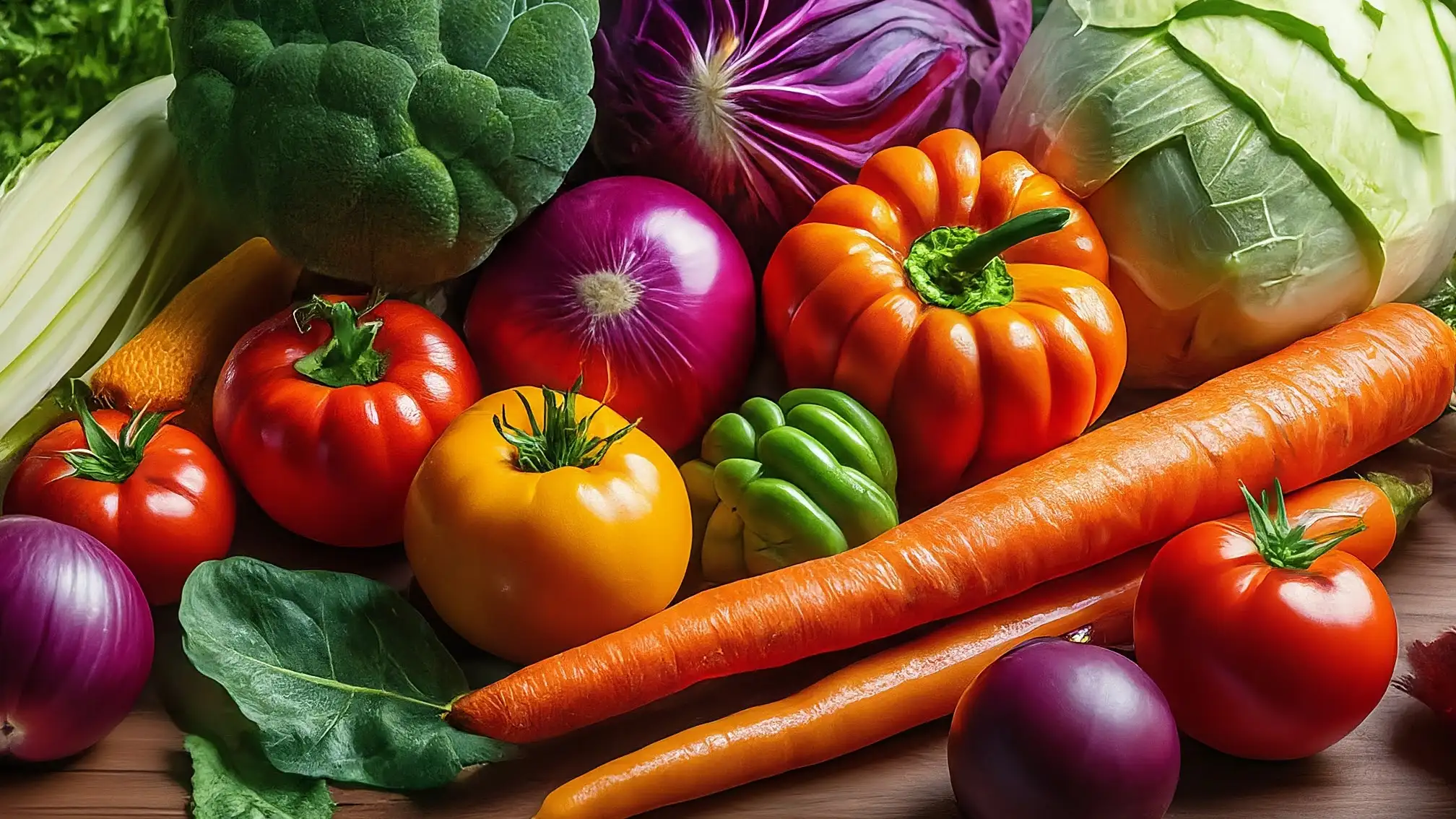
Why Colour Matters in Vegetables
The colours in vegetables come from naturally occurring plant compounds called phytonutrients. These compounds not only give vegetables their bright hues but also provide specific health benefits. For example, beta-carotene gives carrots their orange colour and supports eye health, while anthocyanins give purple cabbage its deep shade and offer powerful antioxidant protection. By including a wide variety of coloured vegetables in your diet, you gain access to a broader spectrum of nutrients that work together to promote good health.
Red Vegetables: Heart and Blood Health
Red vegetables like tomatoes, red peppers, and beetroot are rich in lycopene and anthocyanins. Lycopene is a powerful antioxidant that supports heart health and may reduce the risk of certain cancers, particularly prostate cancer. Beetroot is known to improve blood circulation and lower blood pressure due to its high nitrate content. Red bell peppers also provide high levels of vitamin C, which boosts immunity and supports skin health.
Orange and Yellow Vegetables: Vision and Immunity Boosters
Carrots, pumpkins, yellow peppers, and sweet potatoes fall into the orange and yellow category. These vegetables are high in beta-carotene, which the body converts into vitamin A. This vitamin is essential for healthy vision, especially night vision, and plays a critical role in immune function. Additionally, these vegetables provide lutein and zeaxanthin — antioxidants that protect the eyes from age-related damage.
Green Vegetables: Detox and Disease Prevention
Green vegetables like spinach, kale, broccoli, and green beans are rich in chlorophyll, fibre, vitamins K, C, and E, as well as folate and calcium. Leafy greens are known to support liver detoxification, improve bone health, and reduce the risk of chronic illnesses such as heart disease and type 2 diabetes. Cruciferous vegetables like broccoli and Brussels sprouts contain glucosinolates, which help fight cancer by neutralising harmful toxins in the body.
Purple and Blue Vegetables: Brain and Aging Support
Vegetables like purple cabbage, eggplant, and purple carrots owe their colour to anthocyanins, which have been shown to support brain health and reduce inflammation. These antioxidants protect the brain from oxidative stress and may help lower the risk of cognitive decline and memory loss with age. Additionally, they help improve circulation and reduce the risk of heart disease.
White and Brown Vegetables: Immunity and Digestion
Garlic, onions, cauliflower, and mushrooms may not be as colourful, but they are just as important. These vegetables contain compounds like allicin (in garlic) that have strong antibacterial and antiviral properties. Onions and leeks support gut health by acting as prebiotics, while cauliflower is high in fibre and supports digestive function. White vegetables also contain nutrients like potassium, which helps regulate blood pressure.
Eating the Rainbow : A Balanced Approach
A diet rich in colourful vegetables ensures a broad intake of essential nutrients. Aim to include at least three different colours of vegetables in your meals every day. Stir-fries, salads, soups, and grain bowls are great ways to mix colours and textures. Including seasonal vegetables ensures freshness and variety while boosting nutritional value.
Benefits for Long-Term Health
Eating a rainbow of vegetables daily supports a strong immune system, reduces inflammation, lowers the risk of chronic diseases like heart disease and diabetes, improves digestion, strengthens bones, enhances skin health, and supports brain function. These long-term benefits highlight the importance of making colourful vegetables a daily dietary priority, not just an occasional addition.
Tips to Include More Colourful Veggies in Your Diet
Start small by adding one extra colour to each meal. Replace starchy sides with colourful veggie options. Use dips like hummus with raw vegetable sticks for snacking. Add spinach or bell peppers to omelettes, or blend carrots and beetroot into smoothies. Meal prepping and planning can also help ensure you're eating a variety of vegetables throughout the week.
Incorporating a variety of colourful vegetables into your diet is one of the simplest and most effective ways to improve your overall health. Each colour group brings its own unique set of nutrients and protective compounds, working together to nourish your body, support immunity, and prevent disease. By eating the rainbow every day, you invest in long-term wellness and vitality — one colourful plate at a time.
Why Colour Matters in Vegetables
The colours in vegetables come from naturally occurring plant compounds called phytonutrients. These compounds not only give vegetables their bright hues but also provide specific health benefits. For example, beta-carotene gives carrots their orange colour and supports eye health, while anthocyanins give purple cabbage its deep shade and offer powerful antioxidant protection. By including a wide variety of coloured vegetables in your diet, you gain access to a broader spectrum of nutrients that work together to promote good health. Red Vegetables: Heart and Blood Health
Red vegetables like tomatoes, red peppers, and beetroot are rich in lycopene and anthocyanins. Lycopene is a powerful antioxidant that supports heart health and may reduce the risk of certain cancers, particularly prostate cancer. Beetroot is known to improve blood circulation and lower blood pressure due to its high nitrate content. Red bell peppers also provide high levels of vitamin C, which boosts immunity and supports skin health.Orange and Yellow Vegetables: Vision and Immunity Boosters
Carrots, pumpkins, yellow peppers, and sweet potatoes fall into the orange and yellow category. These vegetables are high in beta-carotene, which the body converts into vitamin A. This vitamin is essential for healthy vision, especially night vision, and plays a critical role in immune function. Additionally, these vegetables provide lutein and zeaxanthin — antioxidants that protect the eyes from age-related damage. Green Vegetables: Detox and Disease Prevention
Green vegetables like spinach, kale, broccoli, and green beans are rich in chlorophyll, fibre, vitamins K, C, and E, as well as folate and calcium. Leafy greens are known to support liver detoxification, improve bone health, and reduce the risk of chronic illnesses such as heart disease and type 2 diabetes. Cruciferous vegetables like broccoli and Brussels sprouts contain glucosinolates, which help fight cancer by neutralising harmful toxins in the body.You may also like
- Kisan Credit Card: Get a loan of lakhs without collateral! Find out how to get one..
- 8th Pay Commission: Here are 6 major updates regarding the 8th Pay Commission..
- Gold Price Outlook: Find out from experts how gold and silver prices will move this week..
- Struggling With Period Cramps? Try This Warm Walnut-Ginger Drink for Comfort
- Parenting Tips: 5 Signs Your Parenting Style May Need a Change
Purple and Blue Vegetables: Brain and Aging Support
Vegetables like purple cabbage, eggplant, and purple carrots owe their colour to anthocyanins, which have been shown to support brain health and reduce inflammation. These antioxidants protect the brain from oxidative stress and may help lower the risk of cognitive decline and memory loss with age. Additionally, they help improve circulation and reduce the risk of heart disease. White and Brown Vegetables: Immunity and Digestion
Garlic, onions, cauliflower, and mushrooms may not be as colourful, but they are just as important. These vegetables contain compounds like allicin (in garlic) that have strong antibacterial and antiviral properties. Onions and leeks support gut health by acting as prebiotics, while cauliflower is high in fibre and supports digestive function. White vegetables also contain nutrients like potassium, which helps regulate blood pressure. Eating the Rainbow : A Balanced Approach
A diet rich in colourful vegetables ensures a broad intake of essential nutrients. Aim to include at least three different colours of vegetables in your meals every day. Stir-fries, salads, soups, and grain bowls are great ways to mix colours and textures. Including seasonal vegetables ensures freshness and variety while boosting nutritional value. Benefits for Long-Term Health
Eating a rainbow of vegetables daily supports a strong immune system, reduces inflammation, lowers the risk of chronic diseases like heart disease and diabetes, improves digestion, strengthens bones, enhances skin health, and supports brain function. These long-term benefits highlight the importance of making colourful vegetables a daily dietary priority, not just an occasional addition.Tips to Include More Colourful Veggies in Your Diet
Start small by adding one extra colour to each meal. Replace starchy sides with colourful veggie options. Use dips like hummus with raw vegetable sticks for snacking. Add spinach or bell peppers to omelettes, or blend carrots and beetroot into smoothies. Meal prepping and planning can also help ensure you're eating a variety of vegetables throughout the week. Incorporating a variety of colourful vegetables into your diet is one of the simplest and most effective ways to improve your overall health. Each colour group brings its own unique set of nutrients and protective compounds, working together to nourish your body, support immunity, and prevent disease. By eating the rainbow every day, you invest in long-term wellness and vitality — one colourful plate at a time.






Loving Newspoint? Download the app now
