
Why Jamun Is One of India’s Most Underrated Summer Fruits

Jamun is one of those fruits that instantly reminds many people of Indian summers. Its deep purple color, unique taste, and slightly tangy flavor make it unforgettable. But beyond nostalgia and taste, jamun also offers several impressive health benefits that often go unnoticed.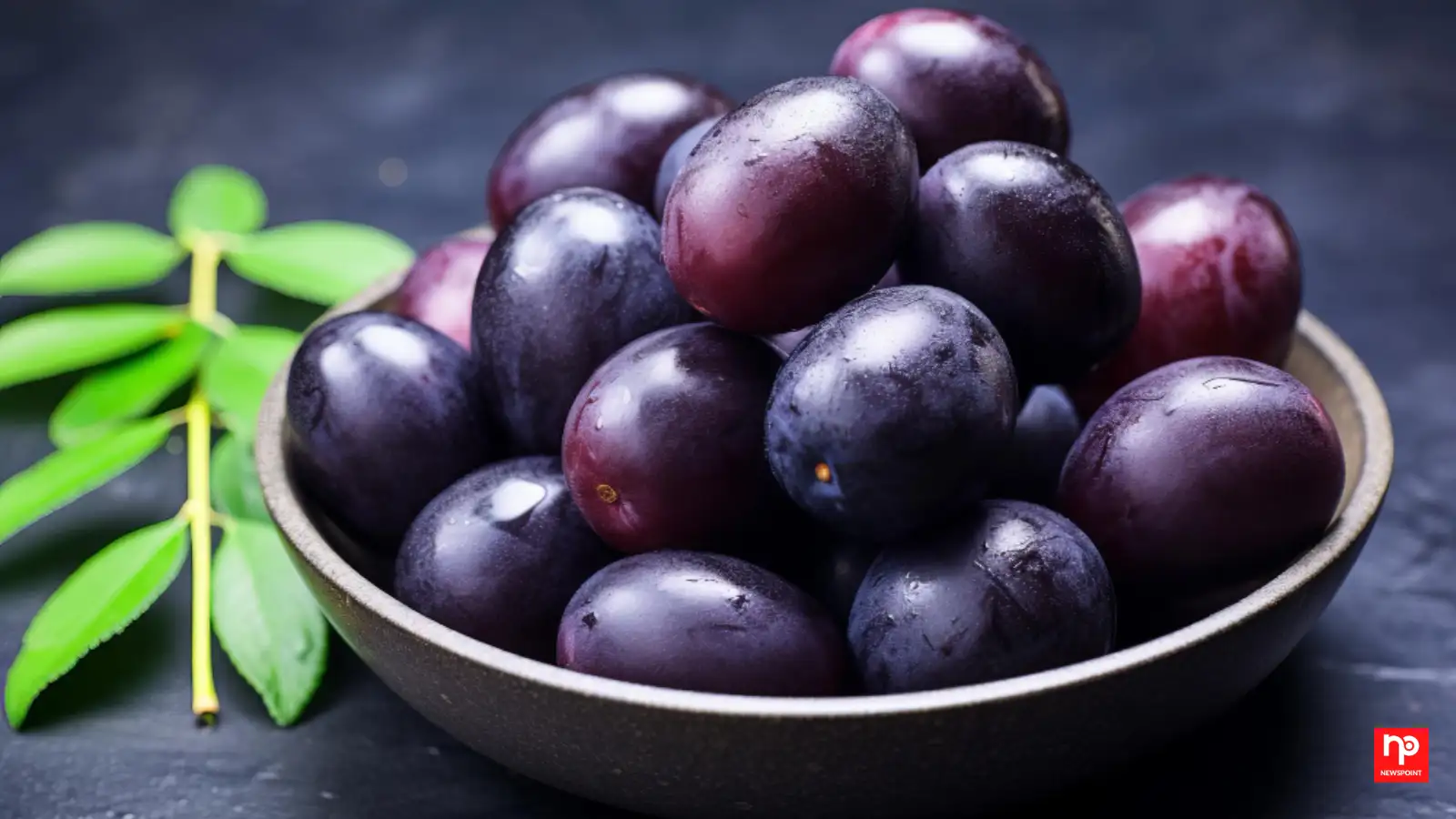
Traditionally used in Ayurvedic practices, jamun is now gaining attention among nutrition experts for its nutritional value and potential health-supporting properties.
While it should never replace medical treatment, many people with diabetes include jamun as part of a balanced diet after consulting healthcare professionals.
Its relatively low glycemic impact makes it a smarter fruit option compared to sugary processed snacks.
Many people consume jamun with a little black salt because it is believed to help improve digestion and reduce acidity.
The fruit also feels light on the stomach, making it suitable during extreme summer temperatures.
Its iron content may also support better blood health, especially when combined with a nutritious overall diet.
The fruit’s dark purple color itself is a sign of beneficial plant compounds that contribute to its nutritional value.
Some people notice fewer skin breakouts and fresher-looking skin when seasonal fruits become a regular part of their diet.
Natural foods rich in antioxidants generally support healthier skin from within.
Locally available fruits are often fresher, more affordable, and nutritionally beneficial.
Whether eaten fresh from a street vendor or added to homemade recipes, jamun remains one of India’s most valuable summer fruits that deserves far more attention than it usually receives.
Traditionally used in Ayurvedic practices, jamun is now gaining attention among nutrition experts for its nutritional value and potential health-supporting properties.
A Natural Choice for Blood Sugar Management
One of the most talked-about benefits of jamun is its connection to blood sugar control. Jamun seeds and pulp contain compounds believed to help support healthy glucose metabolism.While it should never replace medical treatment, many people with diabetes include jamun as part of a balanced diet after consulting healthcare professionals.
Its relatively low glycemic impact makes it a smarter fruit option compared to sugary processed snacks.
Supports Digestion During Summer
Hot weather often leads to digestive discomfort, dehydration, and appetite changes. Jamun may help support digestive health because of its fiber content and natural properties.Many people consume jamun with a little black salt because it is believed to help improve digestion and reduce acidity.
The fruit also feels light on the stomach, making it suitable during extreme summer temperatures.
Rich in Antioxidants and Nutrients
Jamun contains antioxidants, iron, potassium, and vitamin C. Antioxidants help the body deal with oxidative stress, which is linked to aging and various health issues.You may also like
- Why Kunti Chose Society Over Her Own Son
- This Homemade Drink May Slow Skin Ageing Naturally
- Petrol and diesel prices rise in India: What travellers can do to save money on the road
- What Was Hanuman Ji's Hidden Ninth Siddhi Nobody Talks About?
- “I never studied 15 or 12 hours, but I…”: Student who scored 99.2% in class 10th shares 5 practical study tips
Its iron content may also support better blood health, especially when combined with a nutritious overall diet.
The fruit’s dark purple color itself is a sign of beneficial plant compounds that contribute to its nutritional value.
Good for Skin and Hydration
Summer fruits are often valued for their water content, and jamun also contributes to hydration. Proper hydration supports skin health, energy levels, and digestion during hot weather.Some people notice fewer skin breakouts and fresher-looking skin when seasonal fruits become a regular part of their diet.
Natural foods rich in antioxidants generally support healthier skin from within.
Why Seasonal Fruits Still Matter
Modern diets increasingly rely on packaged snacks and processed foods, but seasonal fruits like jamun offer a reminder that simple eating habits can still support health naturally.Locally available fruits are often fresher, more affordable, and nutritionally beneficial.
Whether eaten fresh from a street vendor or added to homemade recipes, jamun remains one of India’s most valuable summer fruits that deserves far more attention than it usually receives.






More from our partners


Loving Newspoint? Download the app now
