
How to Make Authentic Mumbai Pav Bhaji Packed with Veggies at Home

Mumbai Pav Bhaji is one of India’s most iconic street food dishes. Originating from the busy streets of Maharashtra's capital, it has become a favourite across the country. Traditionally known for its bold flavours, buttery aroma, and fluffy bread rolls, Pav Bhaji is often considered indulgent. However, when made at home with a variety of fresh vegetables, it transforms into a delicious and nutritious meal that is perfect for lunch, dinner, or even as a party snack.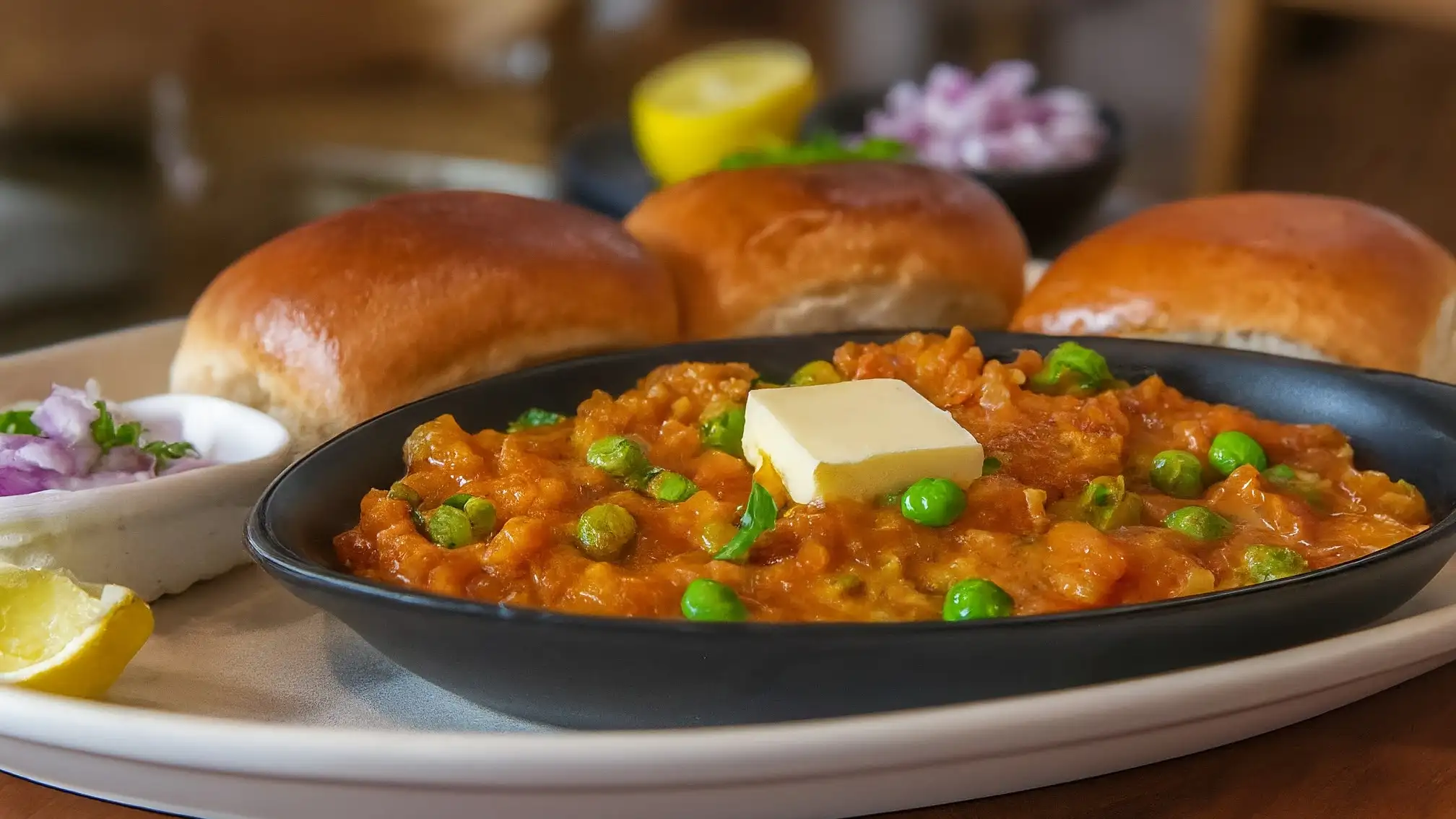
1 tablespoon oil
1 teaspoon cumin seeds
1 onion, finely chopped
2 tomatoes, finely chopped
1 green chilli, chopped
1 teaspoon ginger-garlic paste
½ cup boiled potatoes, mashed
½ cup cauliflower florets, finely chopped
¼ cup green peas
¼ cup chopped carrots
¼ cup chopped capsicum
½ teaspoon turmeric powder
1 teaspoon red chilli powder
1½ teaspoons pav bhaji masala
Salt to taste
2 tablespoons chopped coriander leaves
Juice of half a lemon
For the Pav:
Butter to toast
A pinch of pav bhaji masala for extra flavour
Always mash the bhaji thoroughly for the classic texture.
For a healthier version, reduce the butter and use whole wheat pav.
Add beetroot for a beautiful reddish colour without artificial food colouring.
For extra zest, add a pinch of chaat masala while serving.
Mumbai Pav Bhaji is more than just a street food—it’s a comforting dish that brings warmth, nostalgia, and nutrition in every bite. By loading it with fresh vegetables and preparing it at home, you get to enjoy both its delicious taste and health benefits. Whether it's for a family dinner or a casual gathering, this veggie-packed Pav Bhaji is sure to win hearts.
The Origin of Pav Bhaji
Pav Bhaji was born out of necessity in Mumbai’s textile mills during the 1850s. It was a quick, filling meal made with leftover vegetables mashed and mixed with spices, served with buttered pav (bread rolls). Over the decades, it evolved into a celebrated dish available at every corner stall and elite restaurant alike.Why Load It with Veggies?
Adding a variety of vegetables not only enhances the flavour but also increases the nutritional value of the dish. Vegetables like cauliflower, carrots, capsicum, peas, and beans contribute essential vitamins, minerals, and fibre. This makes Pav Bhaji a balanced meal when served with whole wheat pav and minimal butter.Ingredients Required
For the Bhaji:- 2 tablespoons butter (plus more for serving)
- 4 pav (bread rolls)
Step-by-Step Cooking Method
Step 1: Boil the Vegetables
Start by boiling all the vegetables (potatoes, cauliflower, carrots, peas) until they are soft. You can use a pressure cooker or pan. Once done, mash them lightly and keep aside.Step 2: Sauté the Base
In a large pan or kadhai, heat oil and butter. Add cumin seeds and let them splutter. Add chopped onions and sauté till golden brown. Add ginger-garlic paste and green chilli, cooking until the raw smell disappears.Step 3: Add Tomatoes and Spices
Now add chopped tomatoes and cook until they turn mushy. Mix in turmeric powder, red chilli powder, and pav bhaji masala. Cook this masala well until oil separates from the mixture.Step 4: Mix the Vegetables
Add the boiled and mashed vegetables to the masala. Use a potato masher to combine everything well. Keep mashing and stirring the mixture for 10–12 minutes. Add water as needed to get the right consistency—neither too thick nor too runny.Step 5: Final Touches
Add salt, chopped capsicum, and continue cooking for another 5 minutes. Finish with coriander leaves and lemon juice. Stir well, and your bhaji is ready.Step 6: Toast the Pav
Slice pavs horizontally and toast them on a pan with butter and a sprinkle of pav bhaji masala. Toast both sides until crisp and golden.Serving Suggestions
Serve hot bhaji in a bowl topped with a dollop of butter. Plate with butter-toasted pavs, finely chopped onions, a lemon wedge, and extra coriander on the side. You can even serve it with a glass of chilled buttermilk for a complete meal.Tips for Perfect Pav Bhaji
- Use fresh vegetables to enhance flavour and nutrition.
You may also like
- Quote of the day by Helen Keller: “Life is either a daring adventure or nothing”; the travel lesson from a woman who travelled across 35 countries without sight or sound
- At 92, Hyderabad gynaecologist Dr Suri Srimathi still performs surgeries after six decades in medicine: 'We cannot refuse to treat people when they need help', she says
- How Will the Mumbai-Ahmedabad Bullet Train Stop Safely at 320 km/h During an Earthquake?
- Kitchen Cleaning Tips: How to clean the gap between the gas stove and the stove? Note this 1 trick.
- Rubella Virus in Jharkhand: Rubella virus found in Jharkhand; learn about its symptoms and prevention methods
Nutritional Value
Pav Bhaji loaded with vegetables provides a mix of complex carbohydrates, dietary fibre, and essential vitamins. With minimal butter and fresh ingredients, it can be a healthy option even for children and elderly people. The addition of lemon and coriander boosts Vitamin C and digestion.Variations to Explore
- Jain Pav Bhaji: Exclude onion, garlic, and potato and use raw banana as a substitute.
- Paneer Pav Bhaji: Add crumbled paneer for extra protein.
- Cheese Pav Bhaji: Top with grated cheese for a richer taste.
- Millet Pav Bhaji: Serve bhaji with millet or multigrain buns for added fibre.
Mumbai Pav Bhaji is more than just a street food—it’s a comforting dish that brings warmth, nostalgia, and nutrition in every bite. By loading it with fresh vegetables and preparing it at home, you get to enjoy both its delicious taste and health benefits. Whether it's for a family dinner or a casual gathering, this veggie-packed Pav Bhaji is sure to win hearts.






Loving Newspoint? Download the app now
