
Top 10 Fertility-Boosting Foods Every Man Should Include in His Diet

Male fertility has become an increasingly discussed topic in the realm of reproductive health. While several factors can impact sperm quality and count—such as lifestyle choices, environmental toxins, and medical conditions—diet plays a significant role. The nutrients you consume directly influence your hormonal balance, sperm motility, and overall reproductive health.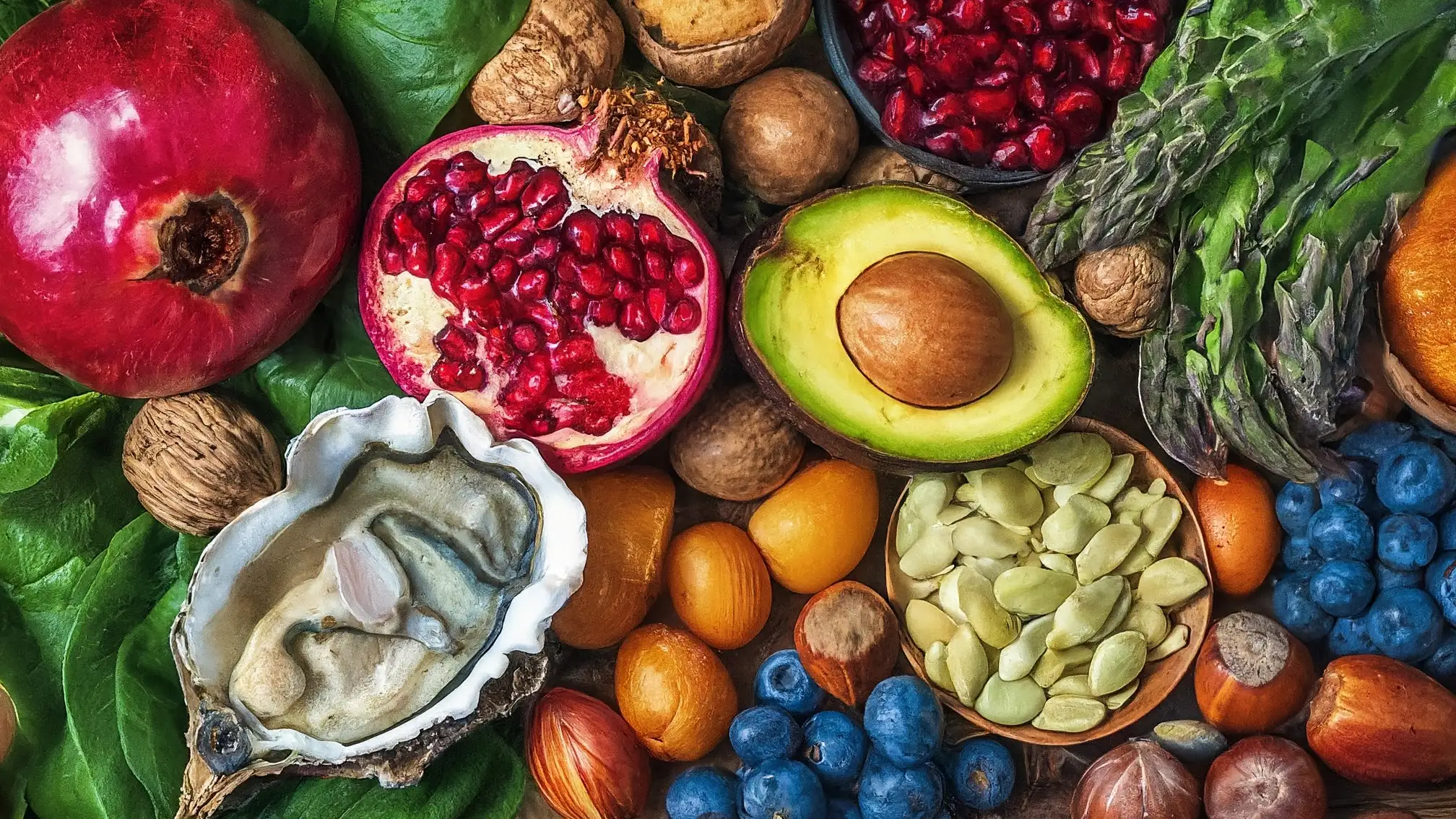
Let’s explore ten nutrient-rich foods that have been proven to help boost male fertility and improve overall sexual wellness.
Manage Stress: Chronic stress can lead to hormonal imbalances that affect sperm production.
Exercise Regularly: Moderate physical activity helps regulate hormones and enhances fertility.
Avoid Heat Exposure: Hot tubs, saunas, and tight underwear can elevate scrotal temperature and damage sperm.
Improving male fertility doesn’t always require medication or complex treatments. Simple changes in your daily diet—like incorporating walnuts, spinach, eggs, and tomatoes—can make a profound difference. Combining these superfoods with a healthy lifestyle can boost not just reproductive health but overall well-being.
Let’s explore ten nutrient-rich foods that have been proven to help boost male fertility and improve overall sexual wellness.
1. Walnuts: A Powerhouse of Omega-3s
Walnuts are rich in omega-3 fatty acids, which play a vital role in enhancing sperm vitality and motility. Studies show that consuming a handful of walnuts daily can lead to improved sperm morphology and better reproductive outcomes.2. Spinach: Folate for Sperm Health
Leafy greens like spinach are loaded with folate, a B-vitamin essential for DNA synthesis and repair. Low folate levels have been associated with chromosomal abnormalities in sperm, so adding spinach to your diet can protect against fertility-related issues.3. Eggs: Complete Protein and Vitamin B12
Eggs are an excellent source of high-quality protein and vitamin B12, both crucial for sperm production. B12, in particular, plays a role in improving sperm count and motility. Boiled, scrambled, or poached—eggs are a versatile fertility-friendly food.4. Pumpkin Seeds: Packed with Zinc
Zinc is one of the most essential minerals for male fertility. It supports testosterone production and helps maintain healthy sperm concentration. Pumpkin seeds are one of the richest plant-based sources of zinc and also offer antioxidants that combat oxidative stress in the testes.5. Bananas: Rich in Bromelain Enzyme
Bananas contain an enzyme called bromelain, which is believed to help regulate sex hormones. They are also rich in vitamins B1 and C and magnesium—all of which enhance sperm quality and increase libido naturally.6. Dark Chocolate: A Tasty Testosterone Booster
Dark chocolate contains an amino acid called L-arginine, known to increase semen volume and improve sperm motility. Additionally, it’s a source of antioxidants, which protect sperm from damage caused by free radicals.7. Tomatoes: Lycopene for Sperm Quality
Lycopene, an antioxidant found in tomatoes, has been shown to improve sperm morphology and motility. Cooked tomatoes (like in soups and sauces) enhance the bioavailability of lycopene, making them even more beneficial.8. Garlic: Enhances Blood Flow
Garlic contains allicin, a compound that increases blood flow to sexual organs and supports sperm count. It also provides selenium, an antioxidant mineral linked to improved sperm motility and vitality.9. Pomegranates: Antioxidant Superfruit
Pomegranates are rich in antioxidants that help fight oxidative stress—a major contributor to low sperm quality. Regular consumption has been linked to improved testosterone levels and enhanced semen quality.10. Oysters: The Fertility Superfood
Oysters are often referred to as the ultimate fertility food because they are the richest natural source of zinc. Just one oyster can meet your daily requirement. Zinc is directly linked to sperm count, testosterone levels, and overall male reproductive health.Additional Tips to Boost Male Fertility
- Stay Hydrated: Proper hydration helps in the production of healthy seminal fluid.
- Limit Alcohol and Smoking: Both habits are known to reduce sperm quality and testosterone levels.
When to Seek Professional Help
While dietary changes can significantly impact fertility, persistent issues should be addressed with a healthcare professional. If conception has not occurred after a year of regular, unprotected intercourse, a fertility assessment may be necessary.Improving male fertility doesn’t always require medication or complex treatments. Simple changes in your daily diet—like incorporating walnuts, spinach, eggs, and tomatoes—can make a profound difference. Combining these superfoods with a healthy lifestyle can boost not just reproductive health but overall well-being.
Next Story