
Why Dogs React to Words Like ‘Walk’, ‘Treat’ and ‘Dinner’ So Quickly

Dogs may not understand human language in exactly the same way we do, but they can become surprisingly responsive to certain words. Say “walk” and your dog may suddenly run towards the door. Mention “dinner” and they may head straight to their bowl.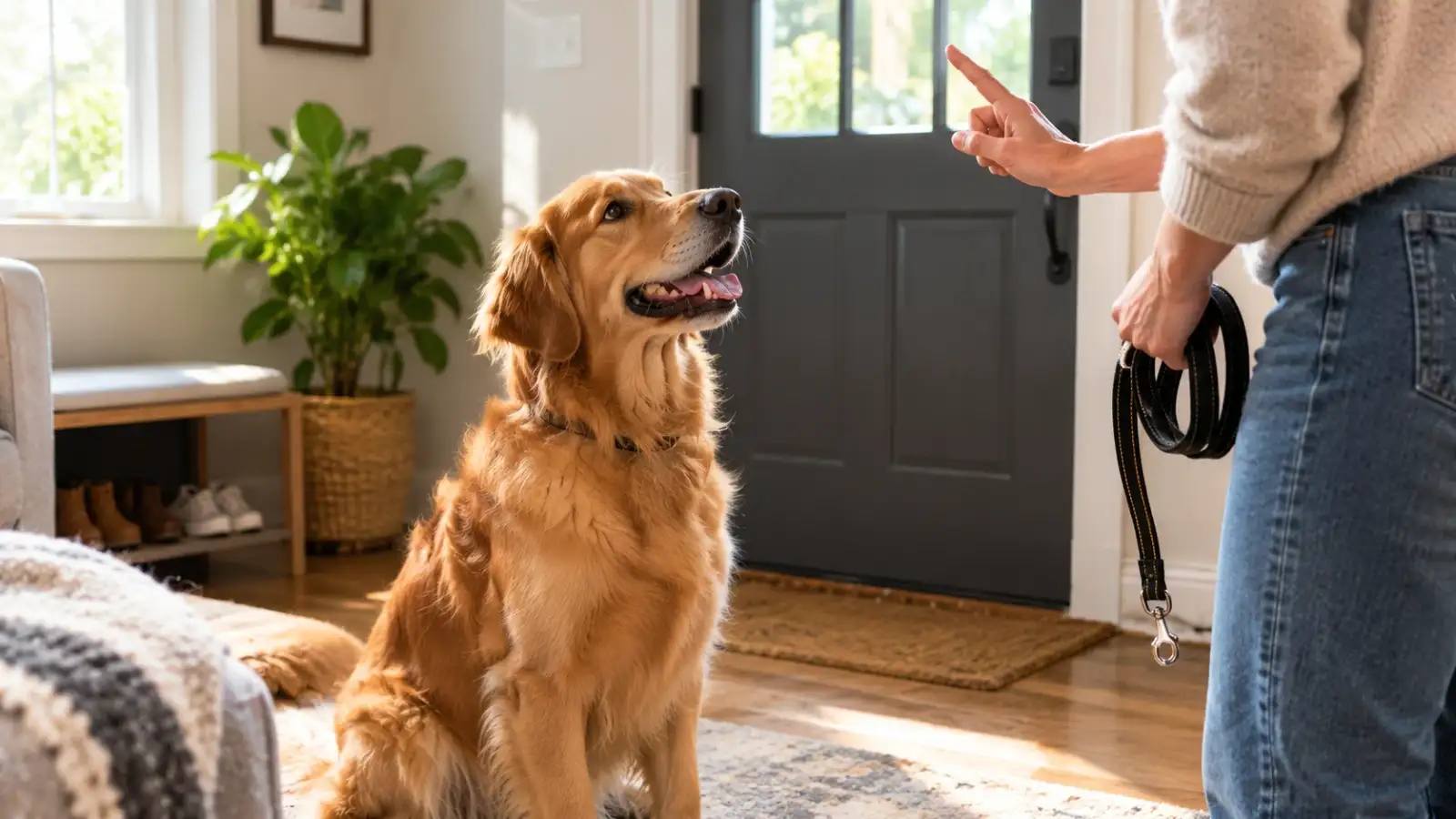
This reaction is not usually random. Dogs are excellent at noticing patterns. When a particular sound repeatedly appears before something enjoyable, they can learn to connect the two.
Here is why some ordinary words can seem almost magical to your dog.
If you say “walk” every day before putting on their lead, your dog starts connecting that sound with the activity that follows. Eventually, hearing the word alone may be enough to create excitement.
The word becomes a signal that something familiar is about to happen.
If you regularly say “treat” before giving your dog a snack, they hear the same sound pattern again and again in a rewarding situation.
Over time, your dog may react to the word before you even reach for the treat.
The way you say it can make a huge difference. People often use a cheerful, higher pitched voice when talking about walks, food or playtime.
Dogs are very good at noticing changes in human voices. Your excited tone may therefore become part of the signal.
Suppose you say “park” and then pick up your keys, put on your shoes and take your dog outside. After enough repetitions, your dog can learn the entire sequence.
The word becomes the first clue in a chain of events.
This is why some dogs start getting excited before anything has actually happened.
“Dinner”, “treat”, “walk” and “play” are common examples. The reward does not always have to be food. Attention, movement, outdoor time and interaction can all be rewarding to a dog.
Eventually, the word itself can trigger anticipation.
If you say “walk” while reaching for the lead, standing up or moving towards the door, your dog receives several clues at once.
This combination of sound, movement and routine makes the meaning easier to learn.
This can happen because they are not relying entirely on volume. They may recognise the sound pattern of the word along with your facial expressions, movements and the situation around them.
That is why whispering “walk” across the room may still result in a dog appearing beside you.
A conversation about work may mean nothing to your dog. But the word “dinner” could be followed by something they really care about.
As a result, dogs tend to pay greater attention to words that repeatedly lead to meaningful experiences.
For example, perhaps you always say “ready?” before taking them outside. Or maybe you say “shall we go?” before getting their lead.
After hearing the phrase enough times, your dog can learn that it predicts something exciting.
Even ordinary household phrases can become personal signals between you and your pet.
Say “Do you want to go for a...” and your dog may already be standing at the door before you finish the sentence.
This happens because they may recognise the important sound before hearing the rest of the phrase. Their experience tells them what is likely to come next.
They might spell out “W A L K” or use a completely different phrase. But dogs can learn new signals surprisingly quickly.
If the new word repeatedly predicts the same activity, it can eventually become exciting too. The problem is not the original word. It is the association attached to it.
In fact, consistent words can be useful during training. Using the same simple cue for an activity can help your dog understand what you expect.
The important thing is to use the word consistently and make sure the experience that follows matches what your dog has learned to expect.
When your dog suddenly perks up at the sound of “walk”, “treat” or “dinner”, they are not necessarily understanding human language exactly as we do. They are recognising a familiar pattern.
Through repetition, rewards, tone of voice and body language, ordinary words can become powerful signals. For your dog, a single familiar sound may be enough to announce that something exciting is about to happen.
This reaction is not usually random. Dogs are excellent at noticing patterns. When a particular sound repeatedly appears before something enjoyable, they can learn to connect the two.
Here is why some ordinary words can seem almost magical to your dog.
1. Dogs Connect Words With Experiences
A dog does not necessarily need to understand the full meaning of a word to recognise its importance.If you say “walk” every day before putting on their lead, your dog starts connecting that sound with the activity that follows. Eventually, hearing the word alone may be enough to create excitement.
The word becomes a signal that something familiar is about to happen.
2. Repetition Makes Certain Words Stand Out
Dogs hear many different sounds throughout the day, but repeated words become easier to recognise.If you regularly say “treat” before giving your dog a snack, they hear the same sound pattern again and again in a rewarding situation.
Over time, your dog may react to the word before you even reach for the treat.
3. Tone of Voice Matters Too
It is not always the word itself that excites a dog.The way you say it can make a huge difference. People often use a cheerful, higher pitched voice when talking about walks, food or playtime.
Dogs are very good at noticing changes in human voices. Your excited tone may therefore become part of the signal.
4. Dogs Learn What Happens Next
Dogs are natural pattern watchers.Suppose you say “park” and then pick up your keys, put on your shoes and take your dog outside. After enough repetitions, your dog can learn the entire sequence.
The word becomes the first clue in a chain of events.
This is why some dogs start getting excited before anything has actually happened.
5. Some Words Become Reward Signals
Certain words can take on a special value because they are repeatedly followed by rewards.“Dinner”, “treat”, “walk” and “play” are common examples. The reward does not always have to be food. Attention, movement, outdoor time and interaction can all be rewarding to a dog.
Eventually, the word itself can trigger anticipation.
6. Dogs Pay Attention to Your Body Language
Your dog is probably watching you while you speak.If you say “walk” while reaching for the lead, standing up or moving towards the door, your dog receives several clues at once.
This combination of sound, movement and routine makes the meaning easier to learn.
7. Dogs Can Notice Words Even When You Whisper
Some dogs seem to know what you are saying even when you deliberately lower your voice.This can happen because they are not relying entirely on volume. They may recognise the sound pattern of the word along with your facial expressions, movements and the situation around them.
That is why whispering “walk” across the room may still result in a dog appearing beside you.
8. Certain Words Become More Important Than Others
Dogs hear hundreds of words and sounds that have no direct consequence for them.A conversation about work may mean nothing to your dog. But the word “dinner” could be followed by something they really care about.
As a result, dogs tend to pay greater attention to words that repeatedly lead to meaningful experiences.
9. Dogs Can Learn Accidental Signals
You may have taught your dog some words without deliberately training them.For example, perhaps you always say “ready?” before taking them outside. Or maybe you say “shall we go?” before getting their lead.
After hearing the phrase enough times, your dog can learn that it predicts something exciting.
Even ordinary household phrases can become personal signals between you and your pet.
10. They May React Before You Finish Speaking
A dog that has learned a particular word may respond extremely quickly.Say “Do you want to go for a...” and your dog may already be standing at the door before you finish the sentence.
This happens because they may recognise the important sound before hearing the rest of the phrase. Their experience tells them what is likely to come next.
Why Some Dogs Seem to Know When You Are Trying to Hide a Word
Many owners change the way they speak when they do not want their dog to react.They might spell out “W A L K” or use a completely different phrase. But dogs can learn new signals surprisingly quickly.
If the new word repeatedly predicts the same activity, it can eventually become exciting too. The problem is not the original word. It is the association attached to it.
Should You Use Special Words Around Your Dog?
There is no need to avoid everyday words unless your dog becomes overly excited by them.In fact, consistent words can be useful during training. Using the same simple cue for an activity can help your dog understand what you expect.
The important thing is to use the word consistently and make sure the experience that follows matches what your dog has learned to expect.
When your dog suddenly perks up at the sound of “walk”, “treat” or “dinner”, they are not necessarily understanding human language exactly as we do. They are recognising a familiar pattern.
Through repetition, rewards, tone of voice and body language, ordinary words can become powerful signals. For your dog, a single familiar sound may be enough to announce that something exciting is about to happen.
Next Story