
Why Curd Sets Faster in Summer Than in Winter

The spoonful of curd you stir into warm milk is not flavouring. It is a living starter, a colony of bacteria, mostly Lactobacillus species, that eat the milk sugar lactose and produce lactic acid as a byproduct. That acid curdles the milk proteins, turning liquid into the thick, tangy set you spoon out the next morning. Everything else, the container, the cloth cover, the warm corner of the kitchen, is just about keeping those bacteria comfortable enough to do their work.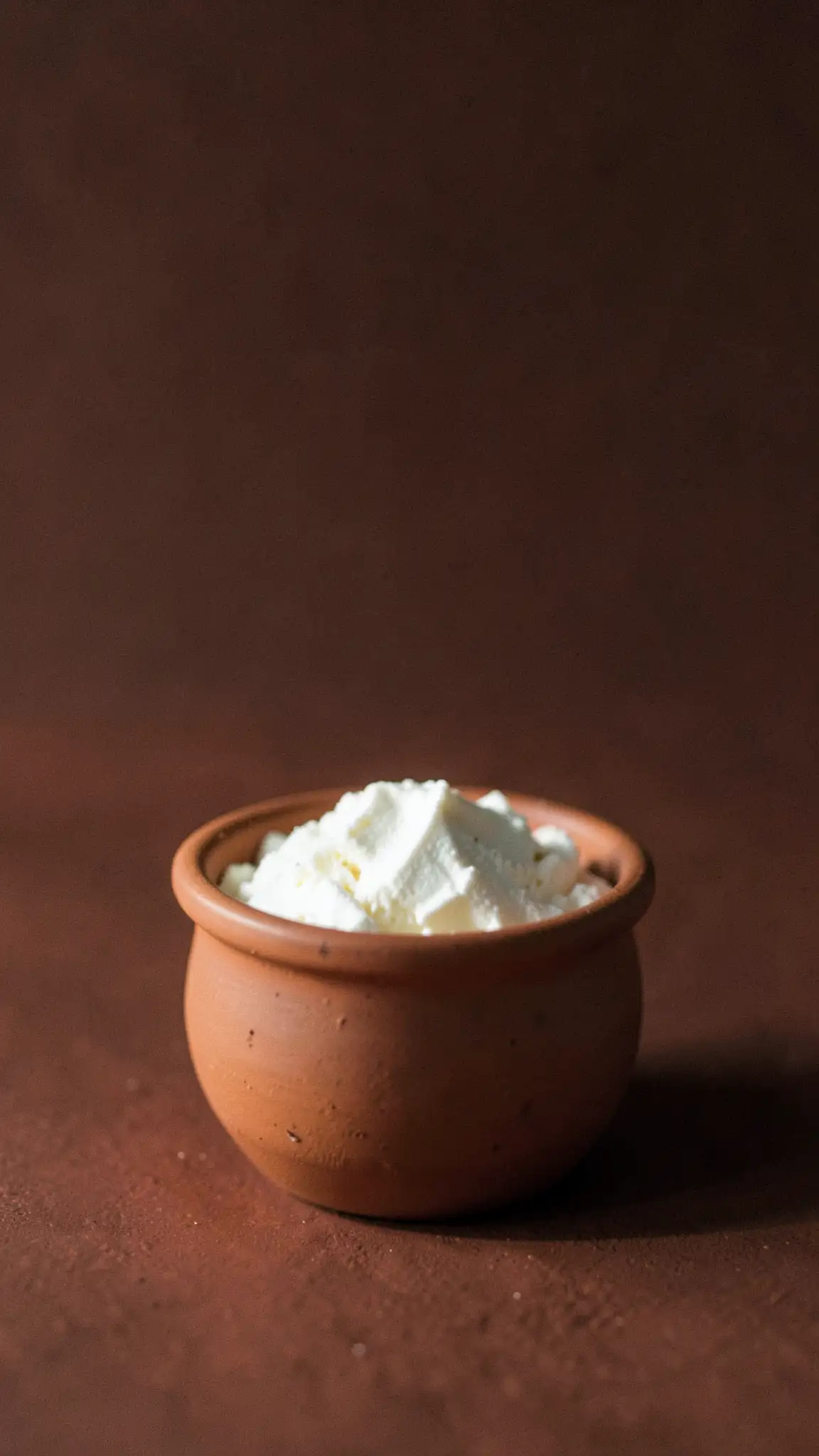
The bacteria in curd have been doing this work long before anyone understood why it happened. Temperature is the only dial. Summer turns it up; winter turns it down. Every trick passed from one kitchen to the next, the warm cloth, the extra spoonful, the switched-off oven, is just a way of nudging that dial back toward the range where the bacteria feel at home.
Temperature Is the Throttle
Bacteria do not work at a fixed speed. Like most living things, they have a temperature range where they thrive, a range where they slow, and extremes where they stop altogether. For the Lactobacillus strains in curd, the sweet spot sits roughly between 30°C and 45°C. In summer, a kitchen at 35°C sits right inside that window. The bacteria multiply quickly, acid builds up fast, and the milk sets in three to five hours. In winter, a kitchen at 15°C sits well below it. The same bacteria are present, but their metabolism has slowed dramatically. Fermentation still happens, it just takes two to three times as long, sometimes longer if the room is particularly cold.What the Old Tricks Actually Do
Every household has a workaround for winter: wrapping the container in a thick cloth, placing it inside a switched-off oven or a closed cabinet, keeping it near a warm wall. None of these tricks add heat. They trap whatever warmth is already in the milk and slow the rate at which that warmth escapes into the cold surrounding air. The cloth is insulation. The closed cabinet reduces airflow. The warm wall conducts a little heat back. The goal in every case is the same, hold the mixture close to 35°C long enough for the bacteria to finish the job. In summer, the ambient air does this automatically. In winter, you have to engineer it.Why the Starter Matters More in Cold Weather
The amount of starter curd you add changes the outcome more noticeably in winter than in summer. In warm conditions, even a small spoonful carries enough bacteria to colonise the milk before anything else can. In cold conditions, the bacteria are already sluggish, so starting with a larger, more active colony gives them a head start. This is why experienced home cooks often increase the starter slightly in winter and use curd that is fresh rather than a few days old, older curd has more acid and fewer active bacteria. The acid is already spent, what you need is live culture.The Clay Pot Difference
Unglazed clay pots set curd differently from steel or glass containers, and the reason is physical. The porous walls of a clay pot allow a slow, continuous evaporation of moisture from the surface. Evaporation draws heat from whatever is inside, which cools the contents slightly. In summer, this mild cooling effect keeps the mixture from overshooting into temperatures that stress the bacteria. In winter, the same evaporation works against you by pulling warmth away from an already cold mixture, which is why experienced cooks often shift to a steel container in the cold months. The clay pot is not magic, it is physics, and physics cuts both ways.The bacteria in curd have been doing this work long before anyone understood why it happened. Temperature is the only dial. Summer turns it up; winter turns it down. Every trick passed from one kitchen to the next, the warm cloth, the extra spoonful, the switched-off oven, is just a way of nudging that dial back toward the range where the bacteria feel at home.
Next Story