
Unlocking the Secrets of Health: The Mediterranean Diet

In a world where fad diets come and go like fleeting trends, one dietary regimen stands the test of time: the Mediterranean diet . This culinary tradition, inspired by the eating habits of countries bordering the Mediterranean Sea, has garnered attention from health experts worldwide for its numerous health benefits. But what exactly makes the Mediterranean diet so good for you?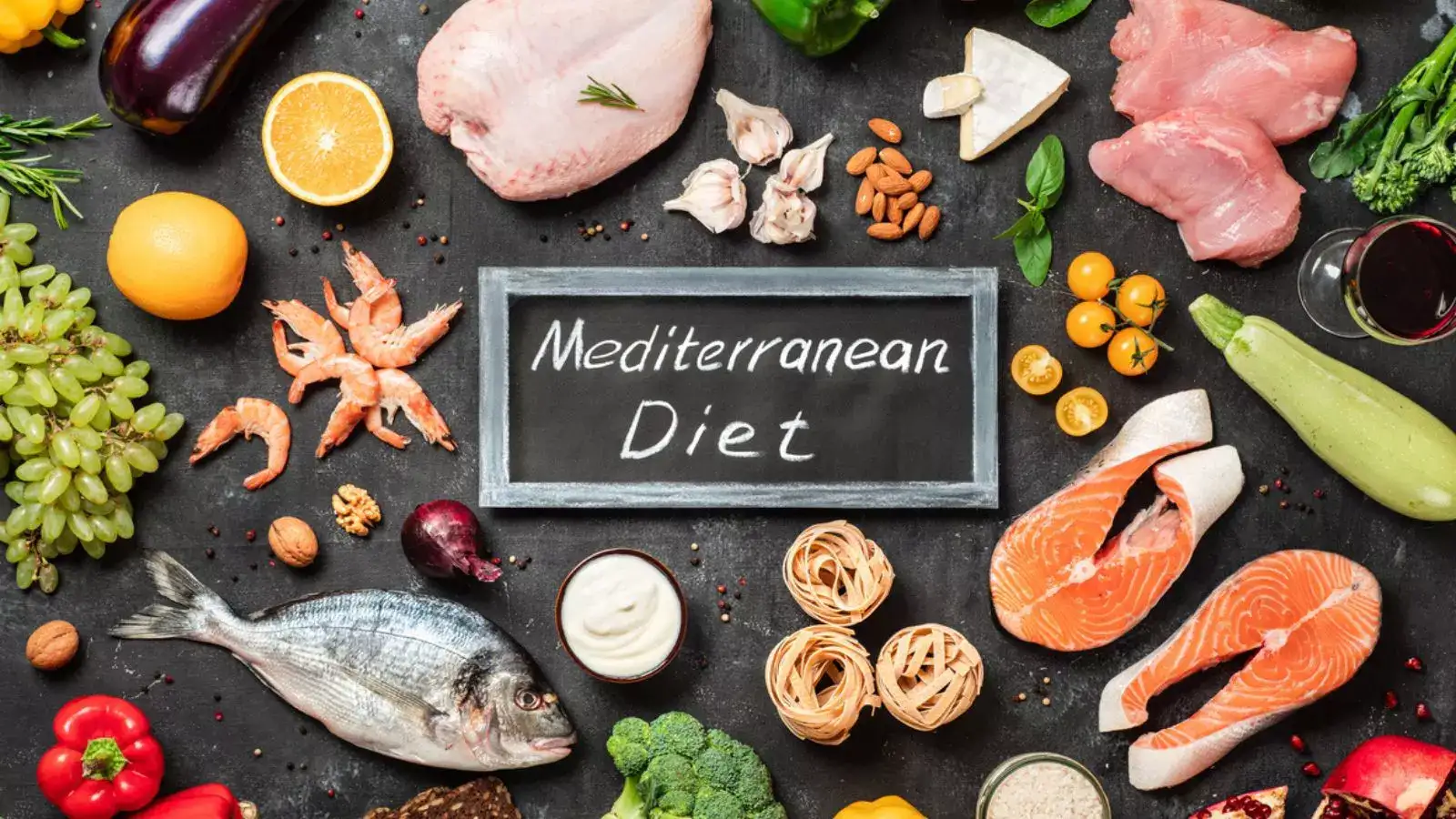
At its core, the Mediterranean diet emphasizes whole, unprocessed foods, with a focus on plant-based ingredients such as fruits, vegetables, legumes, nuts, and whole grains. Olive oil takes center stage as the primary source of fat, replacing unhealthy saturated fats found in butter and other cooking oils. Additionally, this diet incorporates moderate consumption of fish and poultry, while red meat is enjoyed sparingly. Red wine, consumed in moderation, is also a characteristic element, especially in Mediterranean cultures.
Research suggests that adhering to the Mediterranean diet can lead to a myriad of health benefits. One of its most notable advantages is its ability to promote heart health. The high intake of monounsaturated fats from olive oil, along with the omega-3 fatty acids found in fish, helps lower levels of LDL cholesterol (the "bad" cholesterol) and reduce the risk of cardiovascular diseases.
Furthermore, the abundance of fruits, vegetables, and nuts in the Mediterranean diet provides a rich array of vitamins, minerals, and antioxidants, which support overall well-being and may help reduce the risk of chronic diseases such as cancer and diabetes. The consumption of whole grains and legumes also contributes to improved glycemic control and weight management.
Beyond physical health, the Mediterranean diet has been associated with cognitive benefits as well. Studies have suggested that following this dietary pattern may help preserve brain function and reduce the risk of cognitive decline in older adults. The combination of nutrient-dense foods, particularly those rich in antioxidants and anti-inflammatory compounds, supports brain health and may protect against neurodegenerative conditions like Alzheimer's disease.
Moreover, the Mediterranean diet is not merely about the foods on your plate but also about the lifestyle it promotes. Meals are often enjoyed leisurely, with emphasis placed on socializing and savoring each bite. This mindful approach to eating can lead to better digestion and improved satisfaction with meals, potentially reducing the tendency to overeat or indulge in unhealthy foods.
While the Mediterranean diet offers a wealth of health benefits, it's essential to note that no single diet is a one-size-fits-all solution. Individual preferences, cultural influences, and medical considerations should all be taken into account when determining the most suitable dietary approach. Additionally, while the Mediterranean diet forms a solid foundation for a healthy lifestyle, it's important to complement it with other healthy habits such as regular physical activity and adequate sleep.
The Mediterranean diet has rightfully earned its reputation as a nutritional powerhouse. With its emphasis on fresh, whole foods and its potential to promote heart health, brain function, and overall well-being, it's no wonder that health experts recommend it as a model for healthy eating. So why not take a culinary journey to the shores of the Mediterranean and savor the delicious flavors while reaping the numerous health benefits it has to offer?
At its core, the Mediterranean diet emphasizes whole, unprocessed foods, with a focus on plant-based ingredients such as fruits, vegetables, legumes, nuts, and whole grains. Olive oil takes center stage as the primary source of fat, replacing unhealthy saturated fats found in butter and other cooking oils. Additionally, this diet incorporates moderate consumption of fish and poultry, while red meat is enjoyed sparingly. Red wine, consumed in moderation, is also a characteristic element, especially in Mediterranean cultures.
Research suggests that adhering to the Mediterranean diet can lead to a myriad of health benefits. One of its most notable advantages is its ability to promote heart health. The high intake of monounsaturated fats from olive oil, along with the omega-3 fatty acids found in fish, helps lower levels of LDL cholesterol (the "bad" cholesterol) and reduce the risk of cardiovascular diseases.
You may also like
- Government's major decision on low-quality screen guards: Here's what changes for users
- Allu Arjun's Raaka Makes Guinness World Records History With Real-Time Motion Capture
- OTT Releases This Week: Shaque, Toxic, Rise And Fall 2 and More to Watch
- Celebration of Pune's vibrant cultural heritage
- Can Too Much Fiber Cause Gas and Bloating? Know How to Increase Fiber Without Digestive Trouble
Furthermore, the abundance of fruits, vegetables, and nuts in the Mediterranean diet provides a rich array of vitamins, minerals, and antioxidants, which support overall well-being and may help reduce the risk of chronic diseases such as cancer and diabetes. The consumption of whole grains and legumes also contributes to improved glycemic control and weight management.
Beyond physical health, the Mediterranean diet has been associated with cognitive benefits as well. Studies have suggested that following this dietary pattern may help preserve brain function and reduce the risk of cognitive decline in older adults. The combination of nutrient-dense foods, particularly those rich in antioxidants and anti-inflammatory compounds, supports brain health and may protect against neurodegenerative conditions like Alzheimer's disease.
Moreover, the Mediterranean diet is not merely about the foods on your plate but also about the lifestyle it promotes. Meals are often enjoyed leisurely, with emphasis placed on socializing and savoring each bite. This mindful approach to eating can lead to better digestion and improved satisfaction with meals, potentially reducing the tendency to overeat or indulge in unhealthy foods.
While the Mediterranean diet offers a wealth of health benefits, it's essential to note that no single diet is a one-size-fits-all solution. Individual preferences, cultural influences, and medical considerations should all be taken into account when determining the most suitable dietary approach. Additionally, while the Mediterranean diet forms a solid foundation for a healthy lifestyle, it's important to complement it with other healthy habits such as regular physical activity and adequate sleep.
The Mediterranean diet has rightfully earned its reputation as a nutritional powerhouse. With its emphasis on fresh, whole foods and its potential to promote heart health, brain function, and overall well-being, it's no wonder that health experts recommend it as a model for healthy eating. So why not take a culinary journey to the shores of the Mediterranean and savor the delicious flavors while reaping the numerous health benefits it has to offer?






Loving Newspoint? Download the app now
